

Mar 12, 2024
North Jersey Short-Term Rentals Thrive as NYC AirBnB Restrictions Take Effect
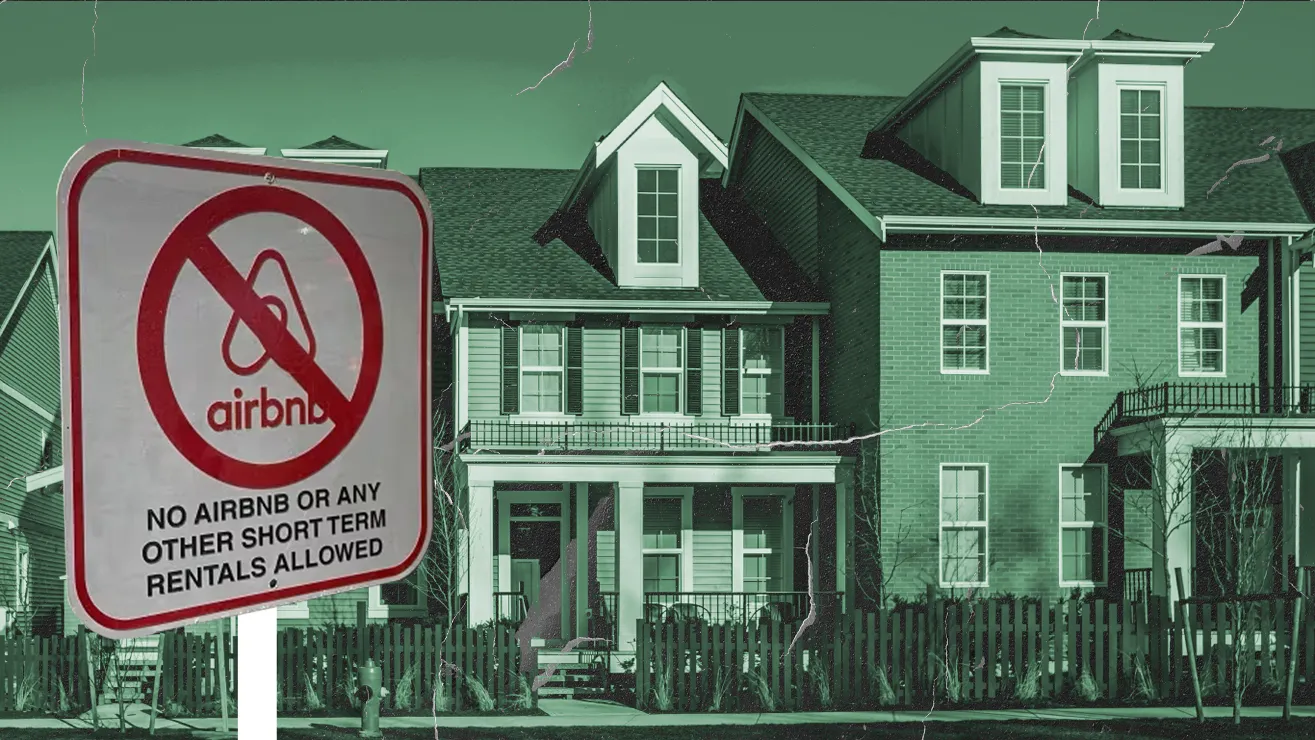
In September, New York City introduced the Short-Term Rental Registration Law, mandating hosts to register their properties and prohibiting unregistered short-term rentals.

Traded Editorial
In September, New York City introduced the Short-Term Rental Registration Law, mandating hosts to register their properties and prohibiting unregistered short-term rentals. Hosts can now only rent out a room instead of an entire property for bookings under 30 days.
Impact on New York City's Short-Term Rental Market
Following these regulations, the number of short-term rentals on Airbnb in New York City has significantly decreased. Conversely, rentals available for stays of 30 days or more have increased substantially. This shift has led to a surge in demand for short-term rentals in neighboring North Jersey areas.
Rising Demand in North Jersey
Cities like Jersey City, Hoboken, Weehawken, and Union City have experienced a notable increase in short-term rental demand due to their proximity to New York City. Demand rose significantly compared to the previous year, as reported by AirDNA, an intelligence firm specializing in short-term rentals.
Policy Intentions vs. Actual Outcomes
The policy aimed to alleviate housing scarcity and rising rent prices in New York City. However, contrary to expectations, rent prices increased, and rental inventory decreased since its implementation, according to Apartment List. Airbnb criticized the policy's severity, attributing it to a surge in short-term rental activity on unregulated platforms and a spike in hotel prices.
Implications for Tourism and Local Businesses
A recent Airbnb survey revealed that 65% of respondents are less likely to visit New York City due to rising hotel prices and limited accommodation options. This decline not only affects residents who relied on short-term rental income but also impacts small businesses in outer boroughs experiencing reduced visitor traffic.