

Jan 29, 2026
New Legionnaires’ Probe Hits Harlem Mega-Complex After Deadly 2025 Outbreak
Health officials are investigating whether Legionnaire’s disease is present at an apartment building complex in Harlem, after a deadly outbreak of the respirato...
Traded Media

Traded Editorial
Key Points
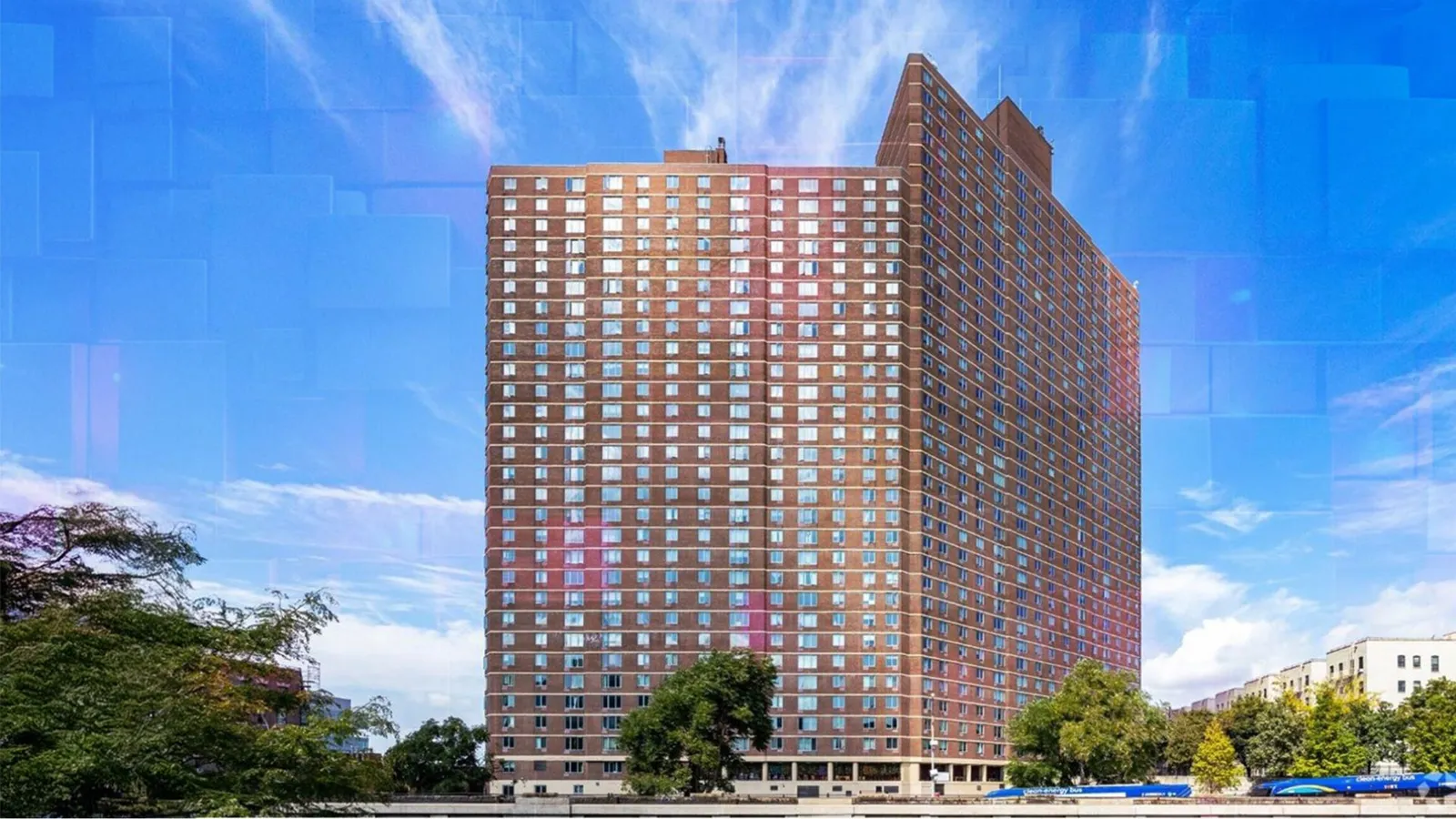
- NYC health officials are investigating 3333 Broadway in Harlem after two residents contracted Legionnaires’ disease within the past year.
- The complex houses more than 10,000 residents, and the probe follows a 2025 outbreak that sickened 114 people and killed seven citywide.
- A separate investigation is also underway at the Cherokee Apartments in Yorkville, highlighting growing scrutiny on cooling towers and building water systems.
What’s Happening at 3333 Broadway
Health Department inspectors are currently evaluating two of the five water towers serving the 3333 Broadway complex, formerly known as Riverside Park Apartments. Water samples have been collected and sent to a lab, with results expected within two weeks.
The investigation was triggered after two residents reportedly contracted Legionnaires’ disease within the past 12 months. City officials say they are coordinating with residents and elected officials, including Shaun Abreu, who represents the district. Some residents, however, have voiced frustration over limited communication and unclear timelines. Residents were advised to avoid hot showers and take cold baths as a precaution, guidance that raised concerns due to the lack of a defined end date.
Yorkville Also Under the Microscope
The Harlem probe mirrors another ongoing investigation at the Cherokee Apartments in Yorkville on the Upper East Side, where two cases have been identified in the past year. Unlike the Harlem case, health officials believe the Yorkville outbreak is tied to the building’s internal plumbing system, not rooftop cooling towers. Officials say they are working closely with residents and ownership to ensure safety and transparency. For owners, the takeaway is clear. Legionnaires’ exposure is not limited to one neighborhood or building type, and both cooling towers and plumbing systems are potential risk points.
Why Legionnaires’ Remains a Serious Liability Issue
Legionnaires’ disease is caused by Legionella bacteria, which spreads through infected water vapor and is not contagious person to person. The bacteria thrive in warm water environments, including cooling towers, hot water tanks, and certain plumbing systems. While many exposed individuals do not become ill, the disease can carry a mortality rate as high as 10 percent for those who do. Last year’s outbreak was ultimately traced to cooling towers across ten buildings, raising alarms about inspection lapses and staffing shortages at the Health Department.
New Rules Mean Less Room for Error
In response to the 2025 outbreak, the City Council passed Intro 1390-A by a 45–2 vote, significantly strengthening testing requirements.
The law now requires:
- Monthly cooling tower testing
- Mandatory biocide treatment during warm weather
- Tighter compliance oversight for building owners
For landlords, especially those with large multifamily or mixed-use assets, the regulatory environment has shifted. Compliance failures now carry not just health risks, but serious legal and reputational exposure.
Bottom Line
The new probe at 3333 Broadway is a reminder that Legionnaires’ disease remains a real and ongoing risk in New York City’s aging building stock. As enforcement ramps up, owners can no longer treat water systems as back-of-house issues. For landlords and investors, proactive testing, clear resident communication, and strict compliance with cooling tower regulations are now table stakes, not optional safeguards. In today’s regulatory climate, prevention is far cheaper than investigation.