

Jun 23, 2026
New Jersey Legislation Aims To Transform Vacant Malls Into Mixed-Use Housing Developments
New Jersey's Senate Bill S1766 proposes converting vacant malls and underused office parks into mixed-use housing, requiring at least 20% of new units to be affordable housing to address a shortage of residential space.

Traded Editorial
- A proposed New Jersey law would make it easier to convert vacant malls and underused office parks into mixed-use housing developments.
- At least 20% of new residential units created under the legislation would be required to be affordable housing.
- The proposal aims to address a statewide housing shortage estimated at more than 200,000 units.
What the Proposed Legislation Would Allow
New Jersey lawmakers are pushing a proposal that could dramatically reshape how vacant shopping malls and aging office parks are redeveloped across the state. Senate Bill S1766 would allow qualifying commercial properties to be converted into mixed-use developments that combine housing with retail, office, and recreational uses. The legislation is designed to make redevelopment easier by reducing zoning barriers that often prevent residential construction on commercially zoned land. Supporters say the bill targets underutilized properties that have struggled as consumer habits shift toward online shopping and remote work continues to impact office demand.
What Developers Would Be Required to Include
The legislation would require developers to designate at least 20% of newly created housing units as affordable housing. Lawmakers and housing advocates believe the measure could help address New Jersey's ongoing housing shortage while creating opportunities to revitalize aging commercial properties that no longer serve their original purpose. By encouraging mixed-use communities, the proposal also aligns with broader development trends favoring walkable environments where residents can live, work, shop, and access amenities in a single location.
What Projects Are Already Moving Forward
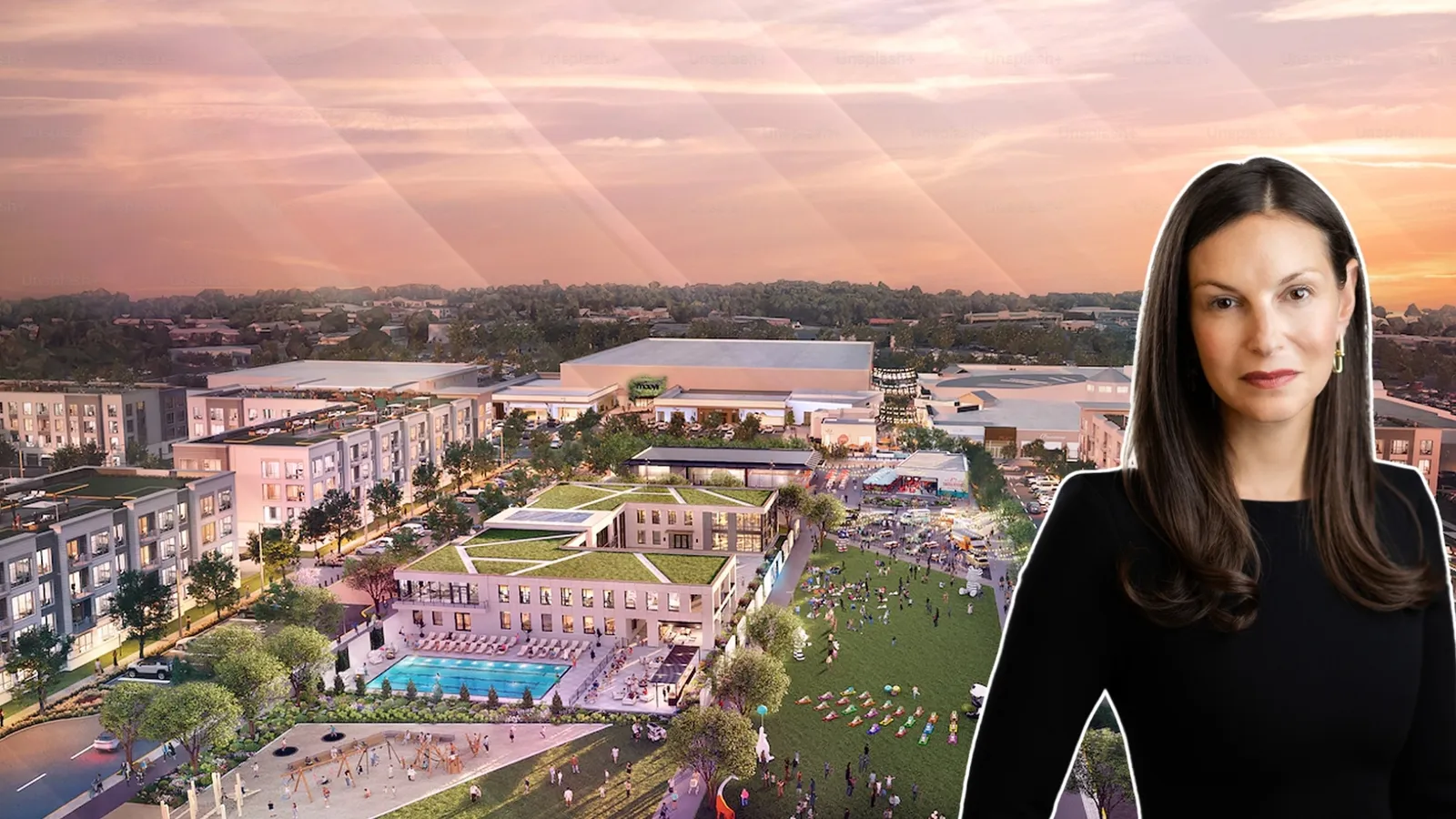
Several mall redevelopment projects across New Jersey are already embracing this concept. One of the highest-profile examples is Monmouth Square in Eatontown, where Kushner Companies is transforming the former Monmouth Mall into a mixed-use community. Plans include approximately 1,000 apartments, restaurants, event space, walking paths, and redesigned retail offerings. Other shopping centers, including Brunswick Square Mall and Livingston Mall, have also been discussed as potential candidates for future redevelopment.
What Supporters and Critics Are Saying
Supporters argue that converting struggling commercial properties into housing takes advantage of existing infrastructure, including road networks, utilities, and transit access. They also believe the approach can add housing without increasing suburban sprawl or placing additional development pressure on established residential neighborhoods. Critics, however, argue that the legislation could weaken municipal control over land-use decisions. Some local officials have raised concerns that overriding local zoning regulations could lead to projects that do not align with community planning objectives or existing infrastructure capacity. Supporters counter that local zoning restrictions have often delayed redevelopment efforts and left vacant properties sitting idle for years.
What This Means for New Jersey Real Estate
If enacted, Senate Bill S1766 could significantly expand redevelopment opportunities for owners of aging malls and office parks throughout New Jersey. For developers, the legislation could unlock sites that were previously difficult to reposition. For municipalities, it presents both an opportunity to address housing needs and a challenge in balancing growth with local planning priorities. As demand for housing continues to outpace supply, the outcome of the legislation could influence how commercial real estate is repurposed across the state for years to come.