

Mar 9, 2026
New England Metros Lead Nation’s Tightest Rental Markets
Traded Media

Traded Editorial
Key Points
- Hartford, CT, led the nation with a 99.1% rental occupancy rate, with four of the five tightest markets located in New England.
- Nearly 30% of the 75 largest U.S. metros posted occupancy above 95%, well above the national average of 92.8%.
- Mid-sized Northeast metros are outperforming larger gateway markets, reflecting structural supply constraints.
- Indianapolis, IN, recorded the largest year-over-year occupancy increase, signaling rapid absorption of supply.
What the Data Shows
Rental occupancy rates across the 75 largest U.S. metropolitan areas remained exceptionally high through Q4 2025. According to new research from Chandan Economics, nearly 30% of major metros posted occupancy above 95%, signaling continued absorption of post-pandemic supply even as national vacancy remains modestly elevated. The U.S. average occupancy rate stood at 92.8%, yet every metro in the top 20 tightest markets exceeded 95%. Even Cincinnati, OH, the 20th-ranked market, registered 95.1%, more than two percentage points above the national benchmark.
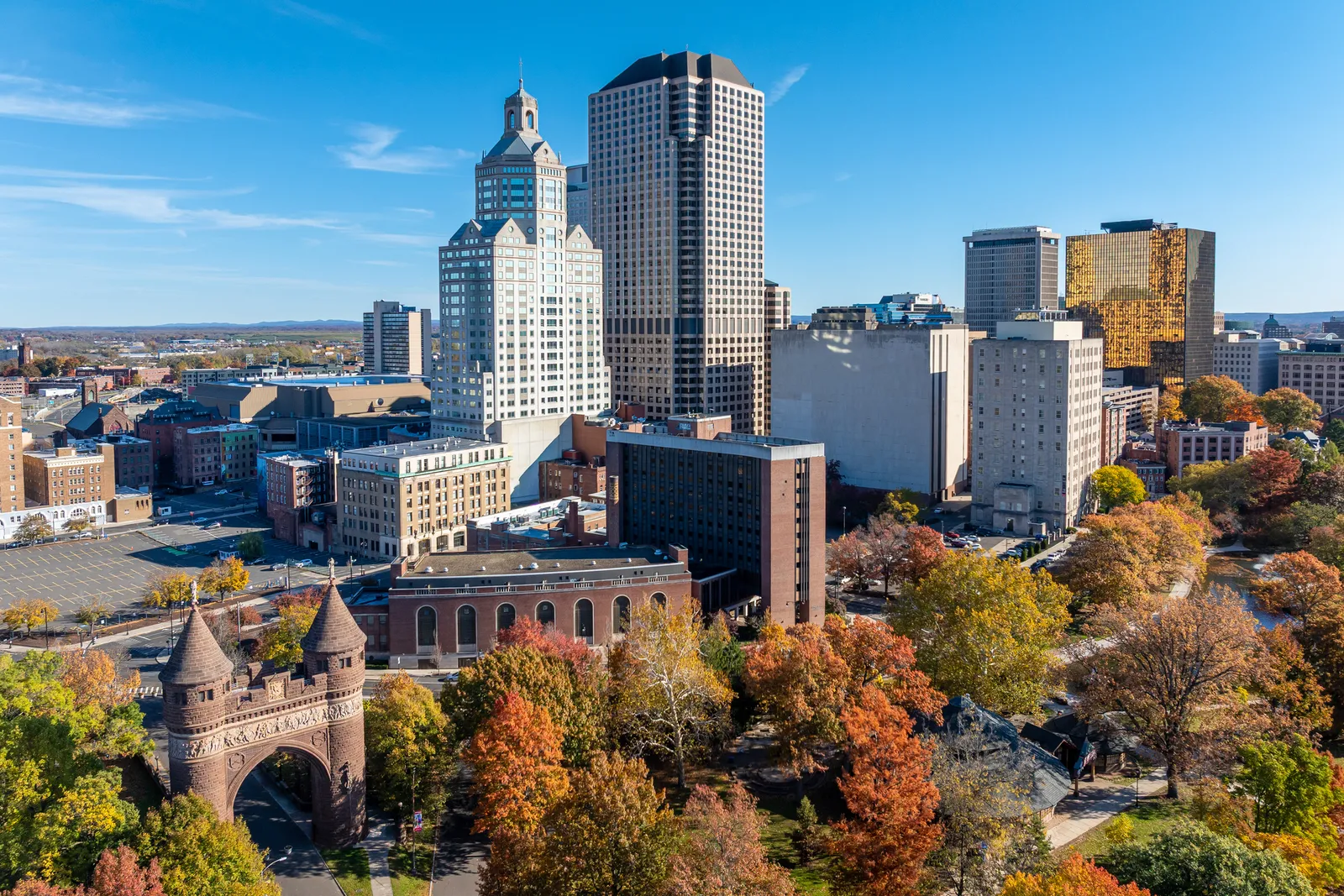
Hartford, CT, stood out as the tightest rental market in the country, posting a 99.1% occupancy rate. With a vacancy rate below 1%, it is effectively operating at full capacity, reflecting persistent undersupply and limited inventory buffers. Strong demand from younger (ages 20-34) and older (ages 65+) renters, robust rent growth, limited rental supply, and a highly competitive for-sale housing market are all contributing to Hartford’s critically tight occupancy rate. Greensboro, NC, and New Haven, CT, followed closely behind at 98.3%. Worcester, MA, at 97.5%, and Boston, MA, at 97.1%, rounded out the top five.
The concentration of high-occupancy markets in New England underscores longstanding structural constraints, including limited land availability, restrictive zoning, and historically modest housing production. In these environments, incremental demand increases could quickly translate into near-full occupancy.

How Major Markets Are Performing
While mid-sized Northeast metros dominated the rankings, tight conditions extend well beyond smaller markets. Several large, high-cost metros continued to post elevated occupancy levels, signaling durable renter demand despite affordability pressures.
San Jose, CA, recorded a 96.8% occupancy rate. Los Angeles reached 96.4%. Urban Honolulu registered 96.1%, and Denver came in at 96.9%. These figures suggest that elevated homeownership costs and constrained for-sale inventory continue to reinforce structural rental demand in gateway and lifestyle markets, despite affordability pressures.
Momentum is also visible in year-over-year changes. Roughly half of the 75 largest metros ended 2025 with higher occupancy than the year before, up from one-third in 2024. Indianapolis, IN, recorded the largest annual increase at 7.9 percentage points, followed by Pittsburgh, PA, at 6.1%. Greensboro, NC, appeared in both rankings, pairing a 98.3% occupancy rate with a 4.8-percentage-point annual gain.
Trends in occupancy rates show that the nation’s tightest markets tend to feature rapid absorption, steady employment growth, manageable development pipelines, and comparatively affordable housing costs.

The Takeaway
The persistence of high occupancy across a diverse mix of metros signals structural strength in rental housing demand. In New England, entrenched supply constraints are driving occupancy toward full capacity. In the Midwest and growth-oriented markets in other regions, steady absorption is restoring balance. In high-cost coastal and Western metros, barriers to homeownership continue to reinforce renter demand.
With nearly one-third of the nation’s largest metros operating above 95% occupancy, opportunities for targeted rental housing development remain concentrated in markets where supply has struggled to keep pace with demand.
For more research and analysis, visit Arbor.com and follow additional insights on Traded.co.