

May 29, 2025
Navigating Neighbor Access Requests in NYC: What Property Owners Need to Know

Traded Editorial
By R&E’s Brendan Derr
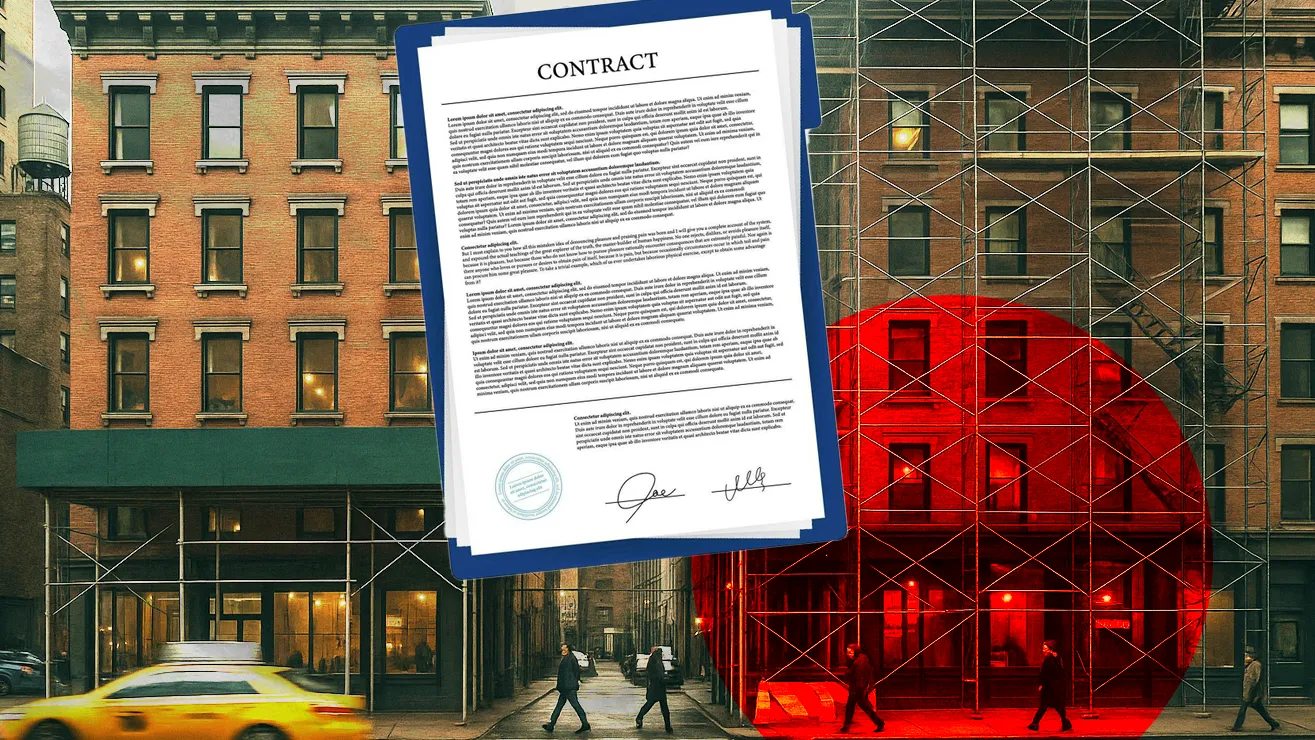
When your neighbor starts a construction project—whether it's for mandatory façade repairs under FISP (formerly Local Law 11), or a full demolition and rebuild—they may need access to your property. This often involves installing temporary protections like roof protection, sidewalk sheds, or scaffolding. Most owners are better off negotiating a license agreement with their neighbor that defines terms and protects their property, rather than denying access and litigating a special proceeding pursuant to New York's RPAPL § 881.
Here’s what landlords, building owners, and property managers in NYC need to know about these access requests—and how to negotiate from a position of strength.
What We’re Covering:
-
Timeline Matters: How long is your property impacted—and what rights do you have if it drags on?
-
Protect Your Operations: Understand the potential impact on tenants and income.
-
License Agreement Must-Haves: Key provisions that protect you.
-
Get Compensated: License fees, professionals' fees reimbursements, and more.
-
Survey First, Restore Later: Ensuring your property gets returned to its pre-construction state.
1. Know the Duration and Scope of Access
What’s Happening:
Before signing anything, fully understand the type of work, exact areas of access, and timeline involved. Ask:
-
Will tenants lose access to roof decks, yards or patios?
-
Will your retail tenant be disrupted?
-
Will the neighbor perform support of excavation work that affects your foundation?
Why It Matters:
Construction timelines often run long. Your agreement should have clear start/end dates, with any extensions requiring your written approval.
2. Protect Tenant Use—and Your Bottom Line
What’s Happening:
Even if the work is happening next door, your tenants (especially commercial ones) may be impacted. Think blocked entrances, noise disruptions, or loss of outdoor amenities.
Why It Matters:
Access agreements should address interference with tenant operations and spell out remedies, including license fees that can offset potential rent abatements.
3. What to Include in a License Agreement
A well-drafted license agreement should include:
Scope and Duration
-
Define exactly what access is being granted and where.
-
Set clear start and end dates.
-
Limit scope creep—new work requires new approvals.
Insurance Requirements
-
Require your neighbor and their contractors to carry general liability insurance.
-
You must be named as an additional insured.
-
Have an insurance expert review all certificates and policies.
Indemnification Clauses
-
Your neighbor should agree to indemnify you for any damages, legal fees, or claims resulting from their project.
-
This protects you from lawsuits or repair costs stemming from their work.
4. Compensation and Cost Recovery
License Fees
-
Courts may award them under RPAPL § 881, but better to negotiate upfront.
-
Use license fees to offset tenant rent reductions or other losses.
Reimbursement of Professional Fees
-
Include a clause requiring your neighbor to cover reasonable legal and engineering costs.
-
Experienced counsel will also request escrow deposits to cover these fees before negotiations begin.
5. Pre-Construction Surveys & Restoration Provisions
What’s Happening:
Construction can cause structural or cosmetic damage—cracks, leaks, or even damage to mechanical systems.
What to Require:
-
A photo survey and written report of existing conditions before any work starts.
-
A written commitment to restore your property to its prior condition post-construction.
6. Remedies if Things Go Wrong
What to Include:
-
Right to terminate access if the neighbor breaches terms.
-
Right to seek injunctive relief or recover damages.
-
Require advance notice of any deviations from plans or timelines.
Market Impact: Why It Matters
For NYC landlords and developers, these access requests are increasingly common—especially as façade compliance and redevelopment surge citywide. Failing to protect your rights through a formal agreement can lead to:
-
Revenue loss from tenant disruption
-
Litigation over damages or safety issues
-
Strained neighbor relationships that complicate future development
Handled correctly, a license agreement creates a win-win: the neighbor gets legal access, and you get protections, payments, and peace of mind.
By the Numbers
- Over 1,300 façade repair projects are filed annually under FISP/Local Law 11
- RPAPL § 881 governs judicial petitions for temporary access
- Up to $10,000+ per month in license fees can be negotiated in high-impact cases
- 100% of legal and engineering fees are often reimbursable under case law
- 30–90 days is the typical access period—but often extends longer
Final Takeaway
If your neighbor is asking for access, don’t just sign a boilerplate form. Whether you're protecting a multifamily building, commercial space, or mixed-use asset, a well-negotiated license agreement is your best defense against risk. It’s also your chance to get compensated fairly.
Contact Rosenberg & Estis today to draft or negotiate a license agreement that works in your best interest—and keeps your building protected and profitable.

