

Sep 17, 2026
MTA Advances $6B Interborough Express Linking Brooklyn and Queens
The MTA's $5.5 billion Interborough Express will connect Bay Ridge, Brooklyn, to Jackson Heights, Queens, serving over 160,000 daily riders with 18 accessible stations over 14 miles.
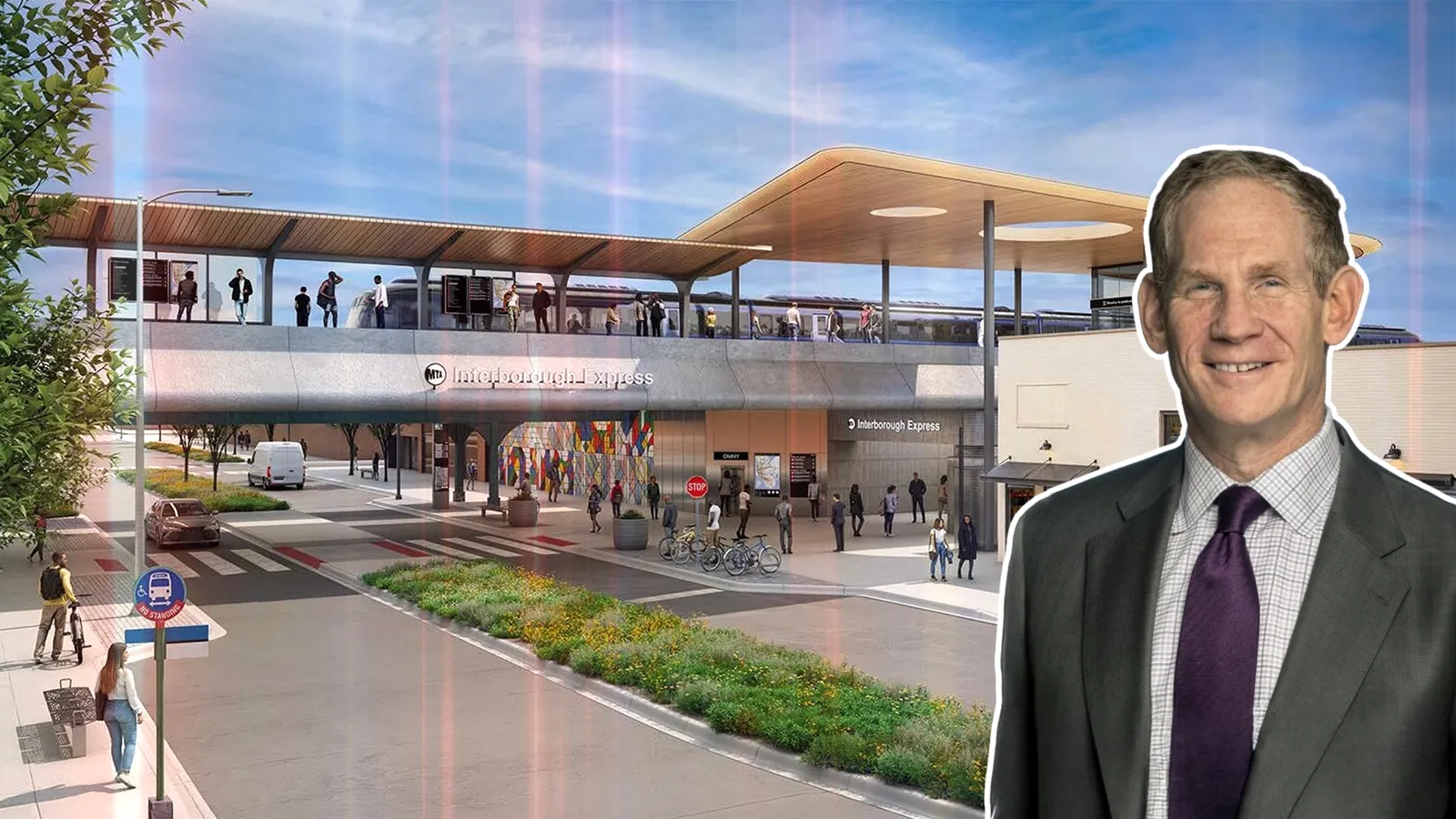
Image by New York State

Traded Editorial
-
The MTA's $5.5 billion Interborough Express would connect Bay Ridge, Brooklyn, to Jackson Heights, Queens, spanning 14 miles with 18 fully accessible stations.
-
The light rail line is projected to serve 160,000-plus daily riders and connect with 17 subway lines, 51 bus routes and the LIRR.
-
The MTA expects to release the Draft Environmental Impact Statement in late 2026, moving the project closer to construction. Its 2025-2029 Capital Plan allocates $2.75 billion toward the project.
What The MTA Is Building
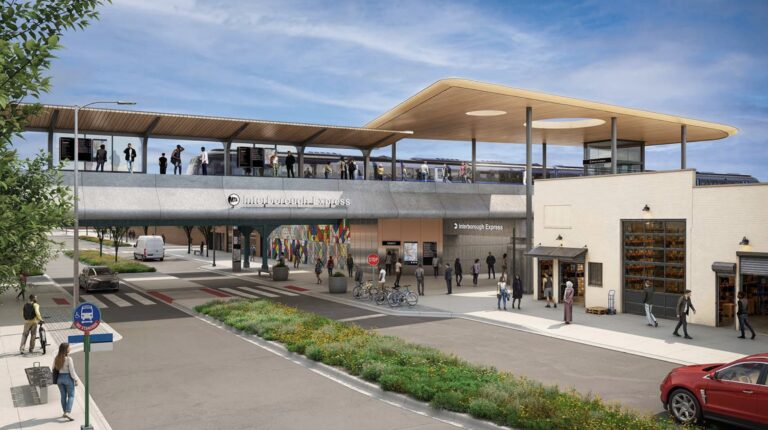
The Interborough Express, or IBX, is moving through its design and environmental review phase, with new renderings providing a closer look at what the future transit line and stations could look like. The 14-mile route would use the existing LIRR Bay Ridge Branch and CSX Fremont Secondary freight corridor, adding passenger tracks while preserving freight operations. The MTA currently projects 32-minute end-to-end trips and more than 160,000 weekday riders. The project is being designed by a Jacobs and HDR joint venture under a $166 million contract. The design phase is expected to continue through 2027 while environmental review advances.
What The Transit Connections Mean
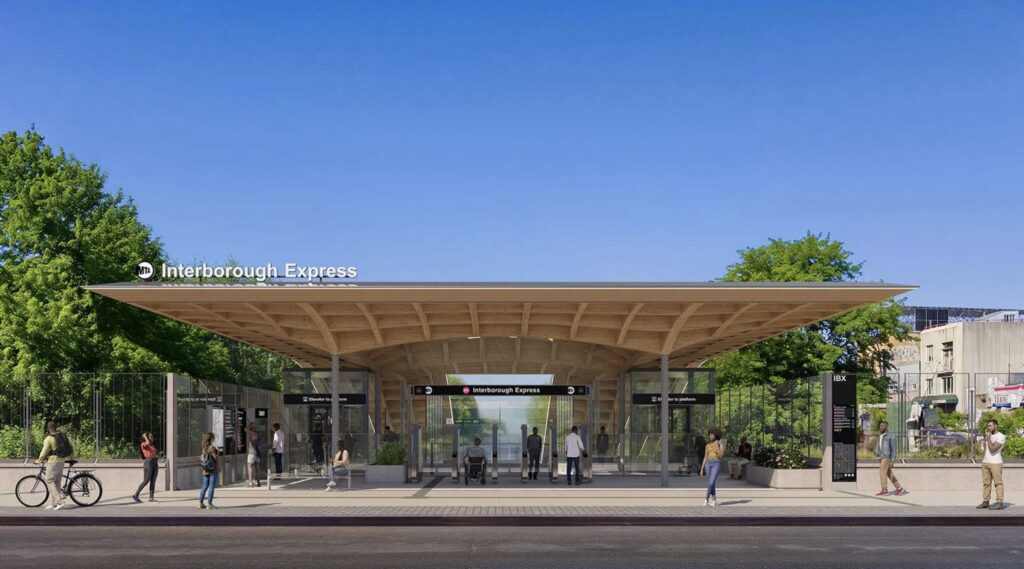
IBX would create a new east-west transportation link that largely avoids Manhattan, connecting neighborhoods that currently require indirect subway trips. The MTA says the line would connect to 17 subway lines, more than 50 bus routes and the LIRR, while serving a corridor containing roughly 900,000 residents and 260,000 jobs. All 18 stations are planned around universal accessibility, including elevators, level boarding, wide fare gates, tactile flooring, improved lighting and digital and audio information systems. The agency is also coordinating accessibility improvements at existing subway stations that will connect with IBX, including Broadway Junction, Junius Street, Avenue I and Wilson Avenue.
What The $5.5B Investment Means For Real Estate
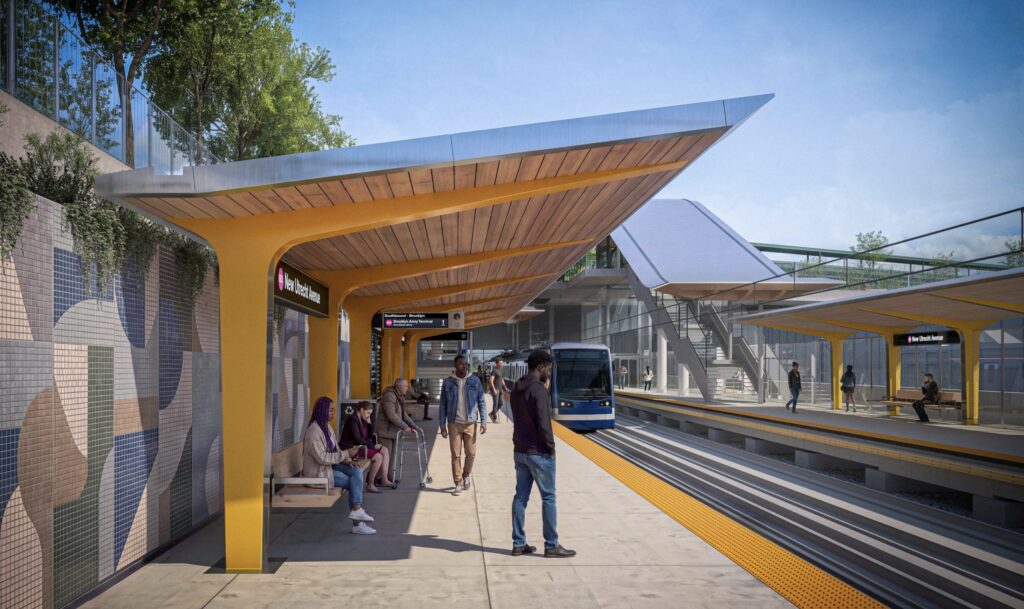
For landlords and developers, the biggest potential impact is improved transit access across Brooklyn and Queens. The MTA itself says IBX could strengthen neighborhood economies and create new connections to job centers such as the Brooklyn Army Terminal and Broadway Junction. There is already evidence of developers looking at opportunities around the corridor. A Brooklyn Yards proposal near the future New Utrecht Avenue station has incorporated development above and alongside the freight line, illustrating how new transit infrastructure could interact with existing development sites. The corridor is also appearing in broader discussions about housing growth. Reporting in 2026 has pointed to potential rezonings around future IBX stations, which could create additional development capacity if adopted.
What Comes Next
The next major milestone is the Draft Environmental Impact Statement, which the MTA expects to release in late 2026. That review will provide additional detail on environmental, community and construction impacts before the project can advance further. The MTA's current capital plan provides $2.75 billion for IBX, while the agency continues pursuing additional federal support for implementation. The project is currently estimated at roughly $5.5 billion in 2027 dollars, meaning full funding and construction timing remain important issues to watch. For owners and developers along the 14-mile corridor, the key story is straightforward: major transit infrastructure is moving closer to construction, potentially reshaping accessibility and development conditions across parts of Brooklyn and Queens.