

Apr 27, 2026
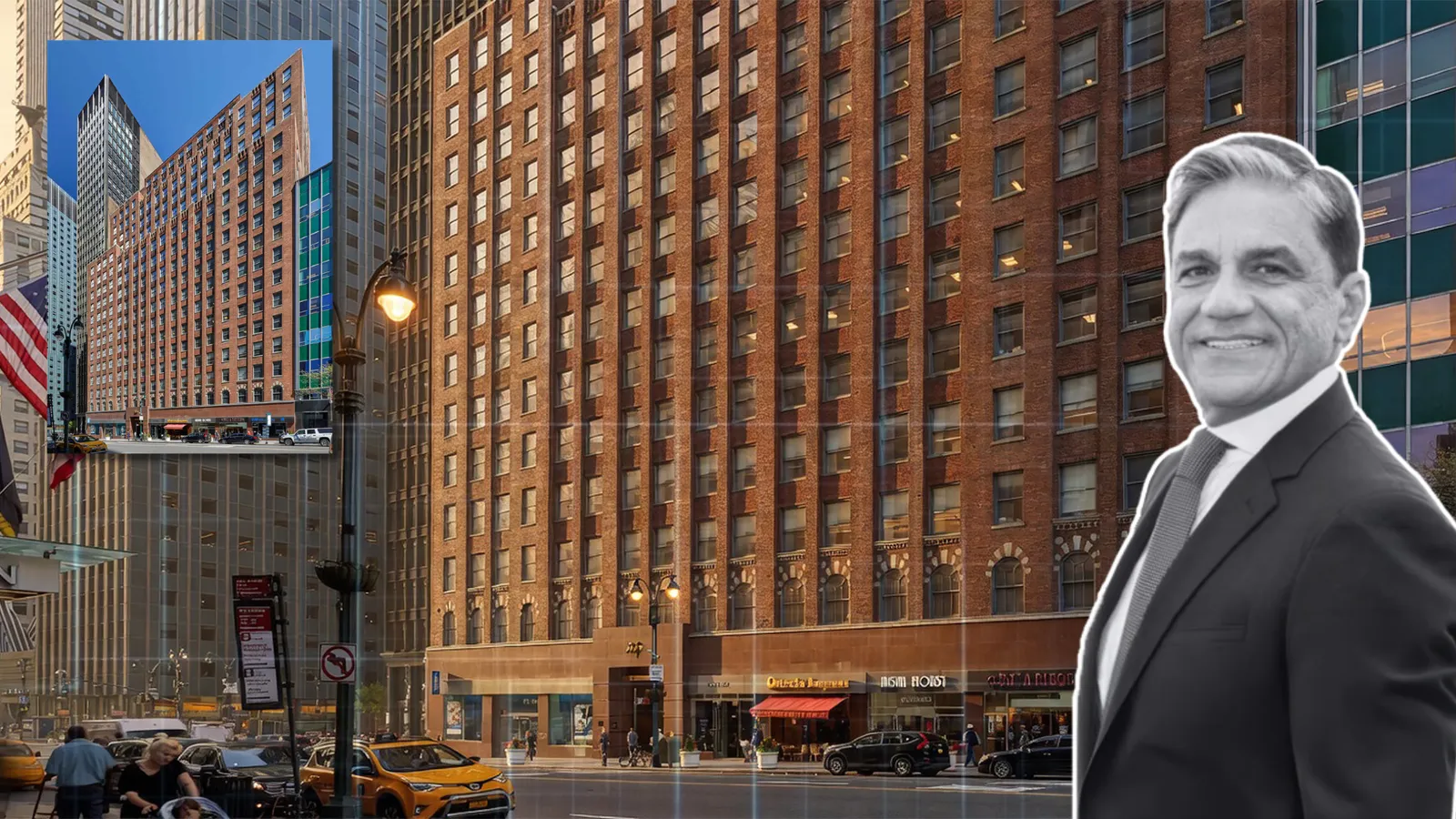
Moinian Group Kicks Off 220-Unit Office Conversion at 17 Battery Place in Lower Manhattan
Traded Media

Traded Editorial
- 220 residential units planned from office conversion
- Includes 55 affordable units under the 467-m tax program
- Project slated for Q1 2027 completion
What the project means for Lower Manhattan
The Moinian Group has officially begun its office-to-residential conversion at 17 Battery Place, marking another step in the transformation of Lower Manhattan’s aging office stock. As office demand remains uneven, projects like this are helping reposition older buildings into income-producing residential assets.
What’s being converted
The developer will convert approximately 150,000 square feet across five floors of the 31-story building into 220 residential units. Originally built in 1904 and designed by Henry Hardenbergh, the landmark property will blend historic architecture with modern residential upgrades. Units will feature in-unit laundry, updated appliances, and waterfront views of the Statue of Liberty and Hudson River, while amenities will include a rooftop deck, recreation space, and a redesigned lobby.
Why the tax incentive matters
The project will include 55 permanently affordable units under New York’s 467-m tax incentive program. This program has become a key driver for conversions, allowing developers to offset high redevelopment costs while delivering mixed-income housing. For investors, this is critical. Without incentives like 467-m, many office-to-resi deals simply wouldn’t pencil.
What this means for investors and landlords
New York is leading the country in office conversions, with more than 16,000 units planned in 2026 alone. For landlords, this trend reflects a clear shift. Obsolete office buildings are being repositioned into residential assets to capture stronger long-term demand. For investors, adaptive reuse is emerging as one of the most compelling strategies in today’s market, especially in high-barrier cities like Manhattan.
What to watch next
The project is expected to be completed in Q1 2027, adding new housing supply to a waterfront neighborhood that continues to attract renters. The bigger takeaway is clear. Office-to-residential conversions are no longer niche. They are becoming a core strategy for value creation in major U.S. cities.