

Apr 1, 2026
Modular Housing Project Completed In Santa Monica As Berkeley Station Delivers 13 Units
Traded Media

Traded Editorial
- First modular affordable housing project completed in Santa Monica
- 13-unit development targets low-income families and transitional youth
- Modular design allowed rapid assembly in just three days
What Berkeley Station means for affordable housing development
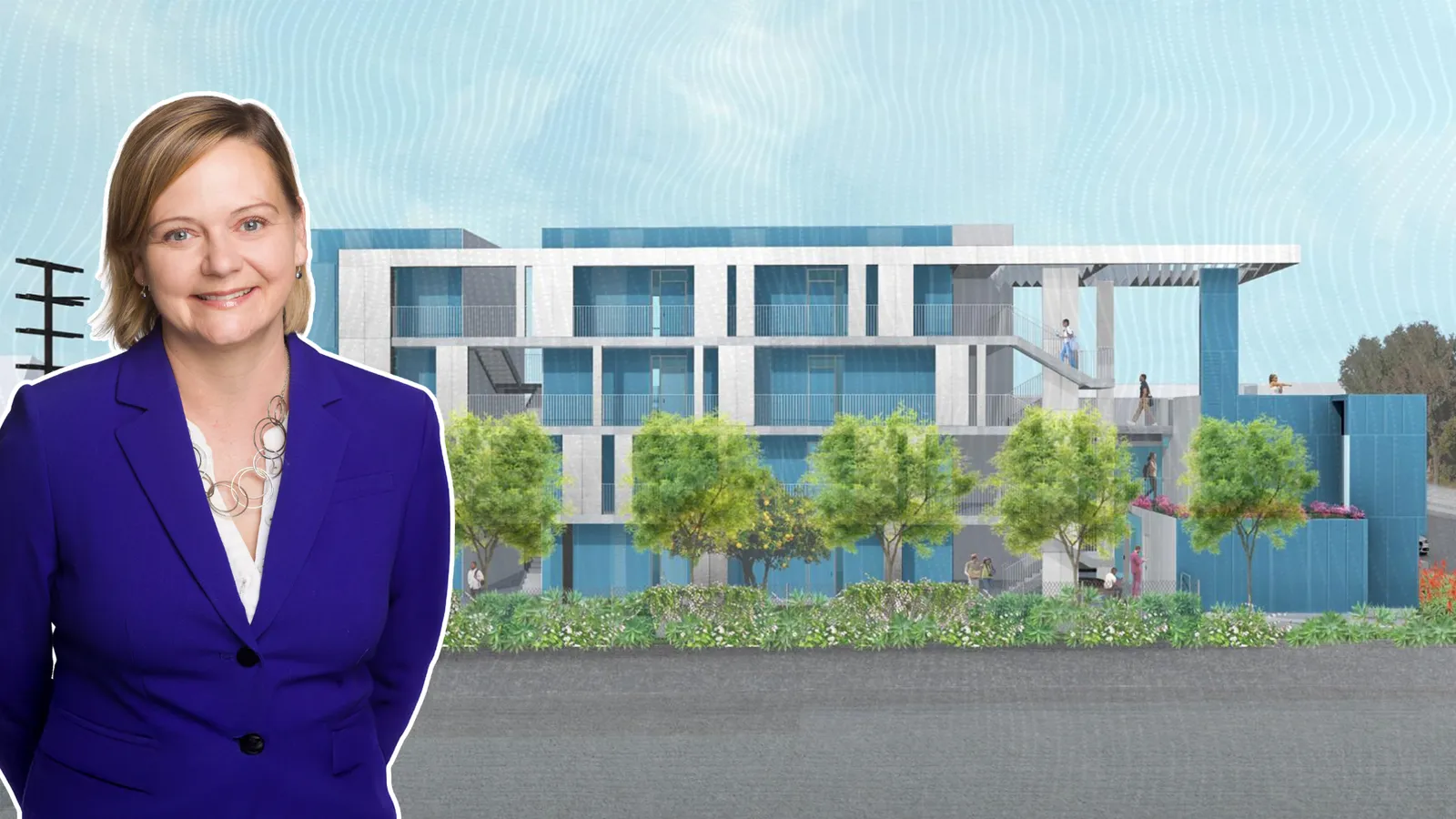
Berkeley Station at 1342 Berkeley Street marks a milestone for Santa Monica as the city’s first modular affordable housing development. Led by Community Corp. of Santa Monica and St. Joseph Center, the four-story project delivers 13 one-bedroom units aimed at deeply affordable income levels. The development prioritizes both families and transition-aged youth, addressing critical housing gaps in the region. While small in scale, the project represents a shift toward faster and more efficient housing delivery methods.
What modular construction means for speed and cost
The building was designed using a modular system developed by Brooks + Scarpa, allowing large portions of the structure to be prefabricated and assembled on-site in just three days. This approach significantly reduces construction timelines compared to traditional methods. For developers, modular construction offers a way to cut labor costs, limit delays, and accelerate project delivery, especially in high-cost markets like Los Angeles County. As housing shortages persist, this method is gaining attention as a scalable solution.
What the affordability mix means for housing strategy
The project includes units reserved for households earning between 30 percent and 50 percent of the area median income, targeting some of the most underserved renters. Five units are set aside for young adults transitioning out of supportive systems, while the remaining units serve low-income families. This targeted approach aligns with broader efforts to combine housing with supportive services. On-site programming from St. Joseph Center further strengthens long-term tenant stability.
What public funding means for project feasibility
Berkeley Station was backed by $11.3 million from the Santa Monica Housing Trust Fund, along with housing vouchers. This highlights the continued reliance on public funding to make deeply affordable housing financially viable, particularly in high-cost coastal markets. For developers, partnerships with local agencies remain essential when delivering projects at lower-income thresholds.
What this means for developers and investors
This project underscores a growing opportunity in modular construction, especially for affordable housing. While returns may be more limited compared to market-rate projects, modular methods can improve efficiency and open the door to faster project cycles. For developers and investors focused on affordable housing, scalable construction techniques like this could become a key part of future pipelines, particularly in supply-constrained markets like Southern California.