

Jan 29, 2026
Minrav Development Pushes Ahead on 13-Story Rental at 345 East 17th Street in Gramercy
Traded Media

Traded Editorial
Key Points
- Minrav Development is advancing construction on 345 East 17th Street, a 13-story, 65-unit rental building in Gramercy.
- The project replaces a former surface parking lot and is owned by Moti Haber, who acquired the site for $12 million in 2020.
- The building is expected to top out in early spring and deliver in spring 2027, adding new rental supply to a tightly held Manhattan submarket.
Inside the 345 East 17th Street Development
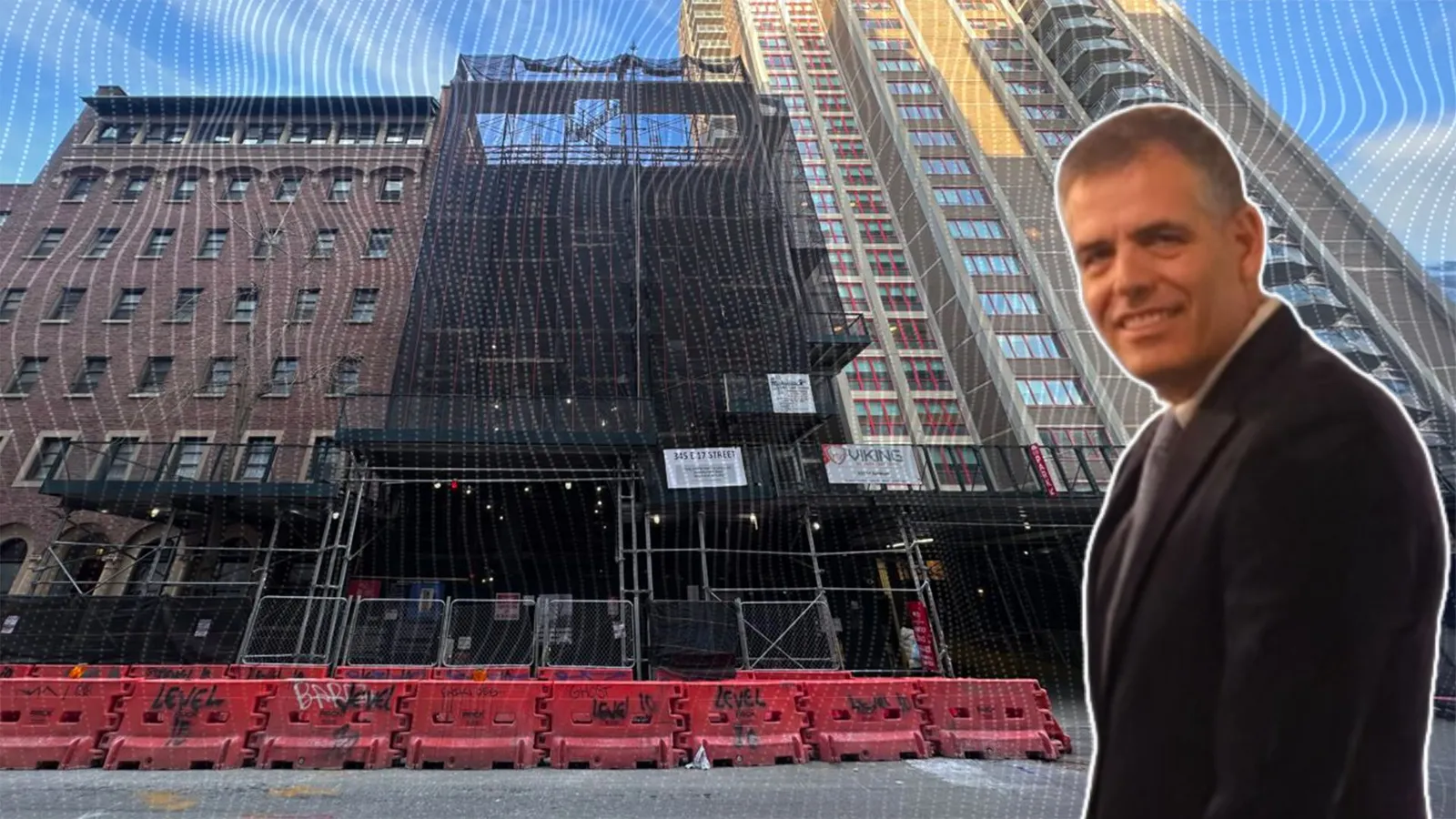
The 13-story building will stand 137 feet tall and span 29,364 square feet, delivering 65 rental apartments with an average unit size of 451 square feet. The modest unit sizes point toward a renter profile focused on singles and young professionals seeking proximity to downtown employment centers. Construction has reached nearly the halfway mark, with the reinforced concrete superstructure rising behind scaffolding and netting. Given the project’s scale, topping out could occur as early as spring. Completion signage on site points to a spring 2027 delivery. Designed by StudiosC Architecture, the building will feature a double-height ground floor before rising uniformly to a setback along the eastern portion of the 11th story. The façade combines light gray paneling with narrow floor-to-ceiling windows, while the upper levels above the setback transition to darker gray paneling for contrast. Amenities will include a rooftop terrace, a 30-foot rear yard, and indoor bicycle storage for 33 bikes. Additional amenities have not yet been disclosed, keeping the project focused on efficient rental density rather than heavy amenity spend.
Why Gramercy Still Commands Capital
Gramercy remains one of Manhattan’s most durable rental neighborhoods, supported by limited development sites, strong tenant demand, and proximity to Union Square, Midtown South, and Downtown Manhattan. New construction opportunities are rare, especially those that replace non-residential uses like surface parking lots. For landlords and investors, projects like 345 East 17th Street reinforce why Gramercy assets tend to hold value. New supply is measured, unit counts are modest, and replacement costs remain high. The result is long-term rent stability rather than disruptive competition. Transit access also supports demand, with the L train available nearby at First and Third Avenue stations along East 14th Street, keeping the building well connected for renters without relying on heavy parking infrastructure.
What This Signals for Manhattan Multifamily
The steady progress at 345 East 17th Street highlights that small to mid-scale rental development is still viable in Manhattan when sites are well located and sponsorship is disciplined. While large-scale towers face more scrutiny, boutique buildings like this continue to pencil as long-term holds. For existing owners, new deliveries of this size typically validate rent levels rather than pressure them. High barriers to entry and limited land availability remain structural advantages for Manhattan landlords.
Bottom Line
345 East 17th Street is a classic Gramercy infill play. Limited scale, strong location, and experienced ownership make the project a low-drama addition to Manhattan’s rental stock. For landlords and investors, it’s another reminder that Manhattan fundamentals remain intact, and well-located rental projects can still move forward even in a challenging development environment.