

Oct 23, 2023
Massachusetts Housing Debate Heats Up as Housing Affordability Reaches Record Low
In the heart of a prosperous Boston suburb, a heated debate is unfolding over changes to zoning and development regulations that call for increased housing. This battle is playing out in the picturesque town of Milton, r…

Traded Editorial
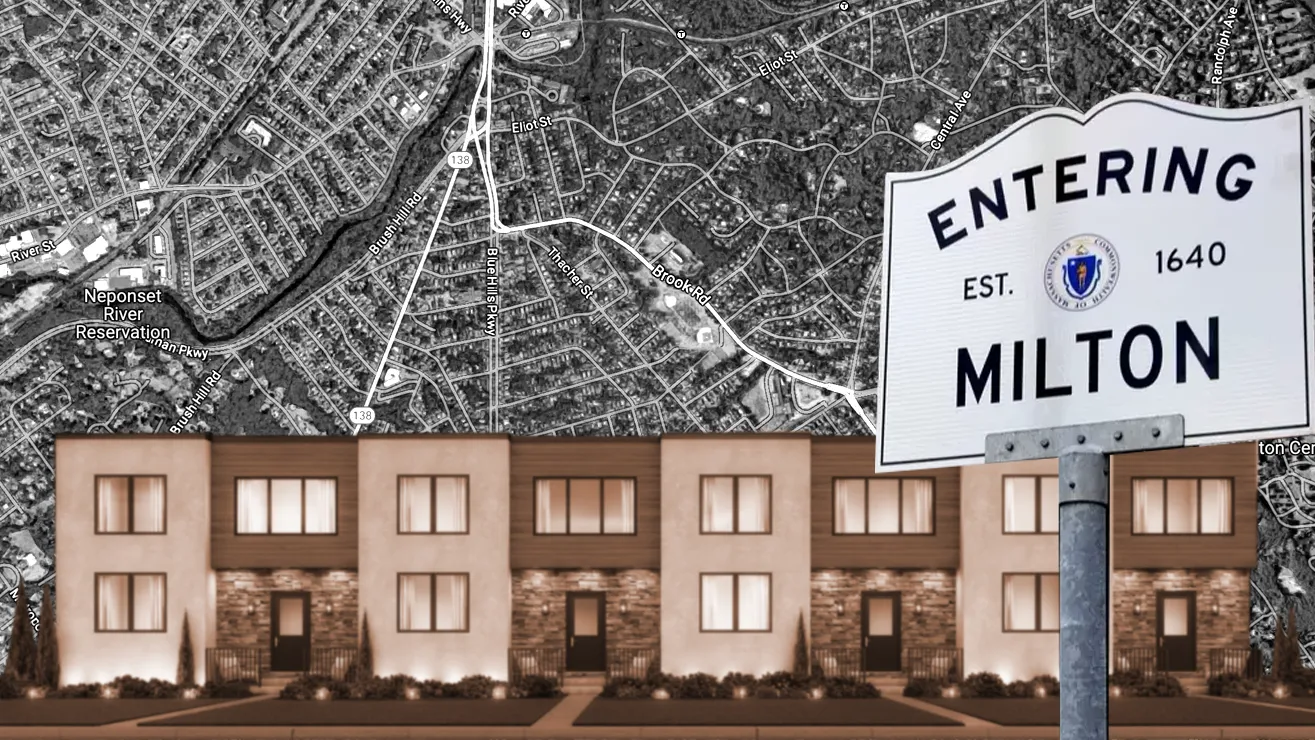
In the heart of a prosperous Boston suburb, a heated debate is unfolding over changes to zoning and development regulations that call for increased housing. This battle is playing out in the picturesque town of Milton, renowned for its restrictive single-family zoning laws. Recent discussions have put Milton's residents at the epicenter of a passionate narrative, focusing on the town's obligation to accommodate more multifamily housing.
The Catalyst for Conflict
The looming presence of a crucial transportation lifeline, a T stop, has ignited contentious conversations, with some even pondering the idea of eliminating the T line to sidestep the requirements of the newly imposed state law. The mere prospect of higher housing density has stoked apprehension within the community, as concerns mount about potential changes to the town's identity and landscape.
A Regional Crisis
This growing tension in Milton reflects the broader struggles faced by numerous Boston suburbs grappling with skyrocketing single-family home prices and a severe shortage of affordable housing options. According to the Boston Globe, for every three new jobs created in the Greater Boston area, only one new home is constructed, a pace that many deem unsustainable and one that could lead to dire economic and social consequences.
The Impact on the Workforce
The housing shortage, coupled with escalating prices, poses a direct threat to the area's workforce, which constitutes the backbone of thriving sectors like universities, hospitals, and the robust tech industry. This crisis jeopardizes the region's ability to attract and retain essential talent, hindering the sustained growth and prosperity it has long enjoyed.
Priorities in Question
At the heart of the conflict lies a fundamental question of priorities: preserving the exclusivity and tranquility of existing neighborhoods versus embracing inclusivity and diversification. This philosophical divide has split the community, with one camp advocating for preserving the status quo and another pushing for a more open and inclusive approach to housing policies. This schism has become the focal point of the ongoing debate, revealing deep-rooted concerns about identity, community dynamics, and the essence of local governance.
State Mandates and their Impact
The stakes have been raised by the state's aggressive mandate, which compels communities to reevaluate their zoning regulations and facilitate the construction of more housing units. While the idea of increased housing supply may seem daunting to some, it is seen as a crucial step in addressing the pressing housing crisis and ensuring a sustainable and inclusive future for the region.
The Crossroads for Milton
As tensions escalate and the community remains divided, the fate of Milton hangs in the balance. An upcoming Town Meeting, scheduled for December, is poised to shape the trajectory of the town and serve as a poignant reflection of the broader challenges confronting the Boston metropolitan region.
Signs of Progress
Amidst the debate, there are glimmers of progress in the region. The Massachusetts Port Authority has recently unveiled plans for a remarkable $170 million affordable housing project in Boston's Seaport district, the city's most affluent neighborhood. This 224,000-square-foot project calls for the construction of a 15-story tower with 200 apartments, all of which will be below-market rate. The project is a collaborative effort between Boston-based housing developer The Community Builders and the Black-owned development firm Menkiti Group from Washington, D.C.
In summary, the housing debate in Milton encapsulates the broader challenges facing Boston suburbs, where the clash between preserving tradition and embracing change underscores the need for innovative solutions to address the housing crisis while maintaining the unique character of these communities.