

Jun 6, 2025
Midwest & Sun Belt Lead Arbor's Spring 2025 Multifamily Investment Rankings

Traded Editorial
KEY POINTS
- Columbus, OH takes the crown — Ranked #1 for multifamily investment thanks to affordability, population growth, and liquidity.
- Midwest and Sun Belt dominate — Raleigh, NC and Nashville, TN secure the following top spots due to youthful renters, job growth, and migration trends.
- Affordability and population growth drive momentum — Rising costs and slowing national growth spotlight value-oriented, fast-growing metros.
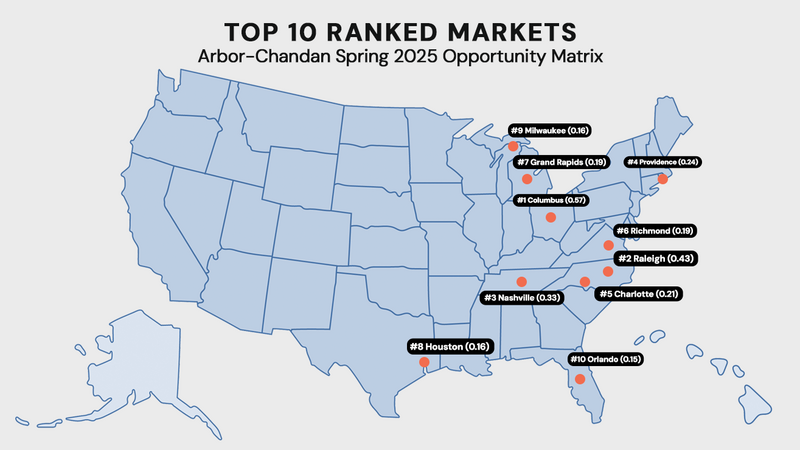
Despite national economic uncertainty, multifamily investments are gaining traction in targeted U.S. metros. According to Arbor's Spring 2025 Top Markets for Multifamily Investment report, Columbus, Raleigh, and Nashville have emerged as frontrunners for capital deployment. Investors are eyeing affordable, high-growth locations as population shifts and affordability pressures reshape demand.
Columbus Tops the Multifamily Opportunity Matrix
-
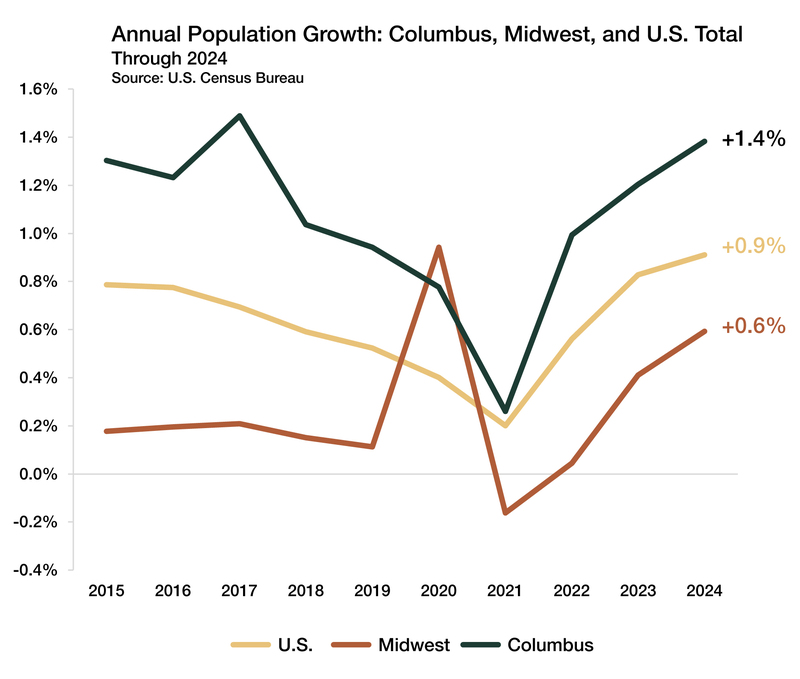
Columbus, OH ranks #1 for multifamily investment attractiveness, thanks to robust population growth (1.4% in 2024), low average rents ($1,459), and top-tier lending liquidity.
-
The metro is part of Ohio’s growing economic hub, supported by tax-friendly policies and major corporate investments like Amazon Web Services and Anduril.
-
Climate resilience and infrastructure plans (like proposed high-speed rail) further boost Columbus' long-term appeal.
Raleigh and Nashville: Fast-Growing, Youthful Markets
Raleigh, NC (Rank #2)
-
Anchored by Research Triangle Park and major employers like Apple and Cisco.
-
Boasts a low unemployment rate (3.2%) and high wage growth (+5.5%).
-
Over 53% of apartments rented by under-35s, ensuring strong rental demand.
Nashville, TN (Rank #3)
-
Continued to outperform with 1.7% population growth and a thriving technology and healthcare-driven economy.
-
Major tech players like Oracle, Amazon, and Meta are deepening roots in the metro.
-
Tied for the lowest unemployment rate among the top 50 metros at 3.0%.
Affordability and Population Growth Remain Key Drivers
-
Midwest and Sun Belt metros outperform coastal counterparts in rental affordability.
-
Buffalo, NY and Birmingham, AL lead in affordability, but Columbus and other Midwest cities offer a balance of affordability and growth.
-
Orlando, Houston, and Austin join Raleigh with population growth rates above 2%, reinforcing Sun Belt strength.
Conclusion
Arbor's Spring 2025 report underscores a shift: investors should look beyond traditional coastal markets and focus on affordable, growth-oriented metros like Columbus, Raleigh, and Nashville. These cities combine liquidity, favorable demographics, and economic stability — essential ingredients for multifamily success in today’s evolving market landscape.
For investors seeking resilience and long-term returns, the Midwest and Sun Belt regions offer a promising roadmap. For more information, read Arbor's full report, developed in partnership with Chandan Economics.
Methodology
The Arbor-Chandan Multifamily Opportunity Matrix is a cross-market comparison of the largest 50 U.S. metros. Each market is ranked based on weighted averages of performance metrics, including affordability, tax conditions, labor market, and population growth, to create a composite score used to contrast investment potential at the metro level.