

Mar 18, 2026
Mid-Sized U.S. Metros Drive Multifamily Permitting Growth

Traded Editorial
Key Points
- Mid-sized metros are leading the nation in multifamily permits per capita as population and employment growth reshape rental demand.
- Madison, WI, and Austin, TX, are sustaining strong renter bases from university, healthcare, and technology ecosystems.
- Florida markets, such as North Port and Orlando, are responding to local population growth by increasing the development of rental housing.
What the Data Shows

U.S. multifamily permitting increased 2.6 percent in 2025, according to new research [DP1] by Chandan Economics and Arbor Realty Trust. While national volumes remained relatively steady, the distribution of development activity varied widely between metro areas. Several smaller and mid-sized markets, such as Madison, WI; North Port, FL; and Fayetteville, AR, have emerged as the most active issuers of multifamily permits when measured relative to population size. In each case, elevated permitting reflects more than short-term construction cycles. It highlights deeper structural factors, including sustained population inflows, strong employment expansion, and institutional anchors, that generate long-term rental demand.
How Major Markets Are Responding
In several mid-sized metros, demographic growth and economic diversification are reshaping apartment development patterns locally.
Madison, WI
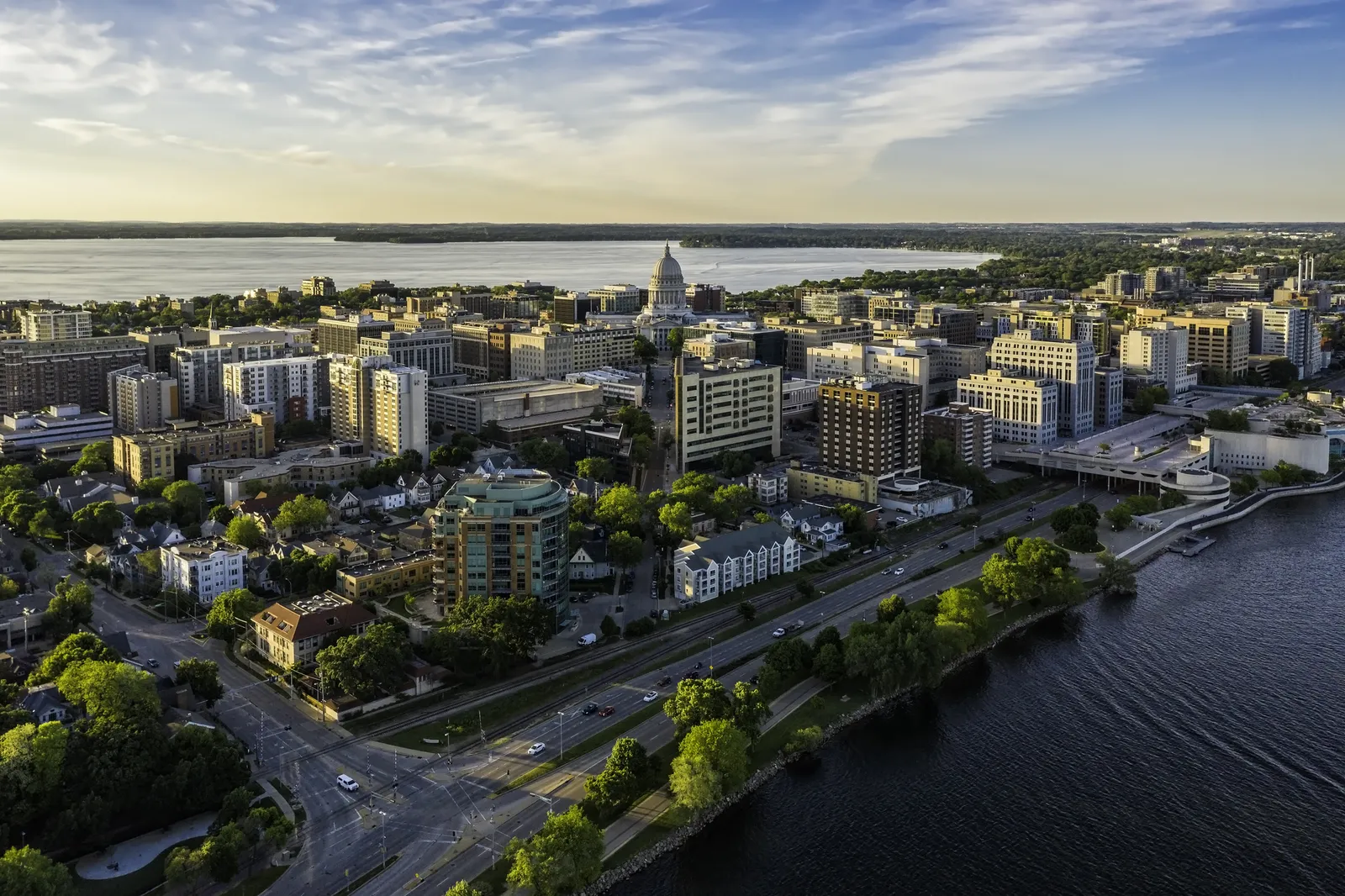
Madison stands out as the nation’s most active large metro for multifamily permits per capita, issuing roughly 7.2 permits per 1,000 residents in 2025. The city’s growth story is closely tied to its role as a university and government hub. The University of Wisconsin has a large student and research community that supports consistent rental demand. Madison has also become a growing center for biotechnology, healthcare innovation, and public sector employment. These industries have attracted highly educated workers and researchers who tend to live in rental housing, helping strengthen the market even as construction slows in other parts of the country.
North Port, FL
North Port illustrates the impact of migration-driven housing demand. Located within the rapidly expanding Sarasota-Bradenton region, the market has benefited from years of domestic migration from higher-cost states across the Northeast and Midwest. Population growth has accelerated as retirees and remote workers relocate to the Gulf Coast, while job gains in healthcare, construction, and tourism support local economic expansion. As a result, multifamily construction has expanded to meet increased demand for transitional housing.
Fayetteville, AR
Fayetteville represents one of the most dynamic growth corridors in the central U.S. The broader Northwest Arkansas region has been transformed by the presence of major corporate employers, like Walmart, Tyson Foods, and J.B. Hunt. Their continued investment in logistics, retail technology, and supply chain innovation has generated substantial job creation and population growth. The University of Arkansas further strengthens the rental base by bringing students, faculty, and research investment into the market. Together, these factors have produced a rapidly expanding professional workforce that is fueling demand for apartment construction.
Orlando, FL
Orlando continues to benefit from some of the fastest population growth in the country. While tourism remains a defining feature of the local economy, the metro has steadily diversified over the past decade. Major healthcare systems, aerospace and defense companies, and technology firms have expanded throughout the region, broadening the employment base and stabilizing housing demand. Multifamily permitting reached approximately 4.6 permits per 1,000 residents in Orlando in 2025 as developers responded to the city’s expanding workforce and ongoing housing shortages tied to population inflows.
Austin, TX
Austin remains one of the nation’s most closely watched apartment markets. The metro’s rapid expansion over the past decade has been fueled by the continued growth of the technology sector, with major employers such as Tesla, Apple, Oracle, and venture-backed startups establishing a large presence in the region. Although Austin has delivered a substantial volume of new apartment supply in recent years, continued job growth and in-migration have sustained strong renter demand. In 2025, the metro issued approximately 4.4 multifamily permits per 1,000 residents, underscoring how developers continue to respond to the city’s expanding population and relatively young workforce.
The Takeaway
The leading multifamily permitting markets share several common characteristics. Each combines population inflows with sustained employment expansion and institutional anchors such as universities, healthcare systems, or large corporate employers. These structural advantages help explain why multifamily development is increasingly concentrated in high-growth regional hubs rather than traditional gateway markets. As the national development cycle enters a more selective phase, markets with durable demographic momentum and diversified economic bases will likely remain focal points for new apartment construction.
For more insights, visit Arbor.com and follow additional insights on Traded.co.