

Nov 29, 2025
Miami's Most Design-Worthy Hotels for an Art Week Stay
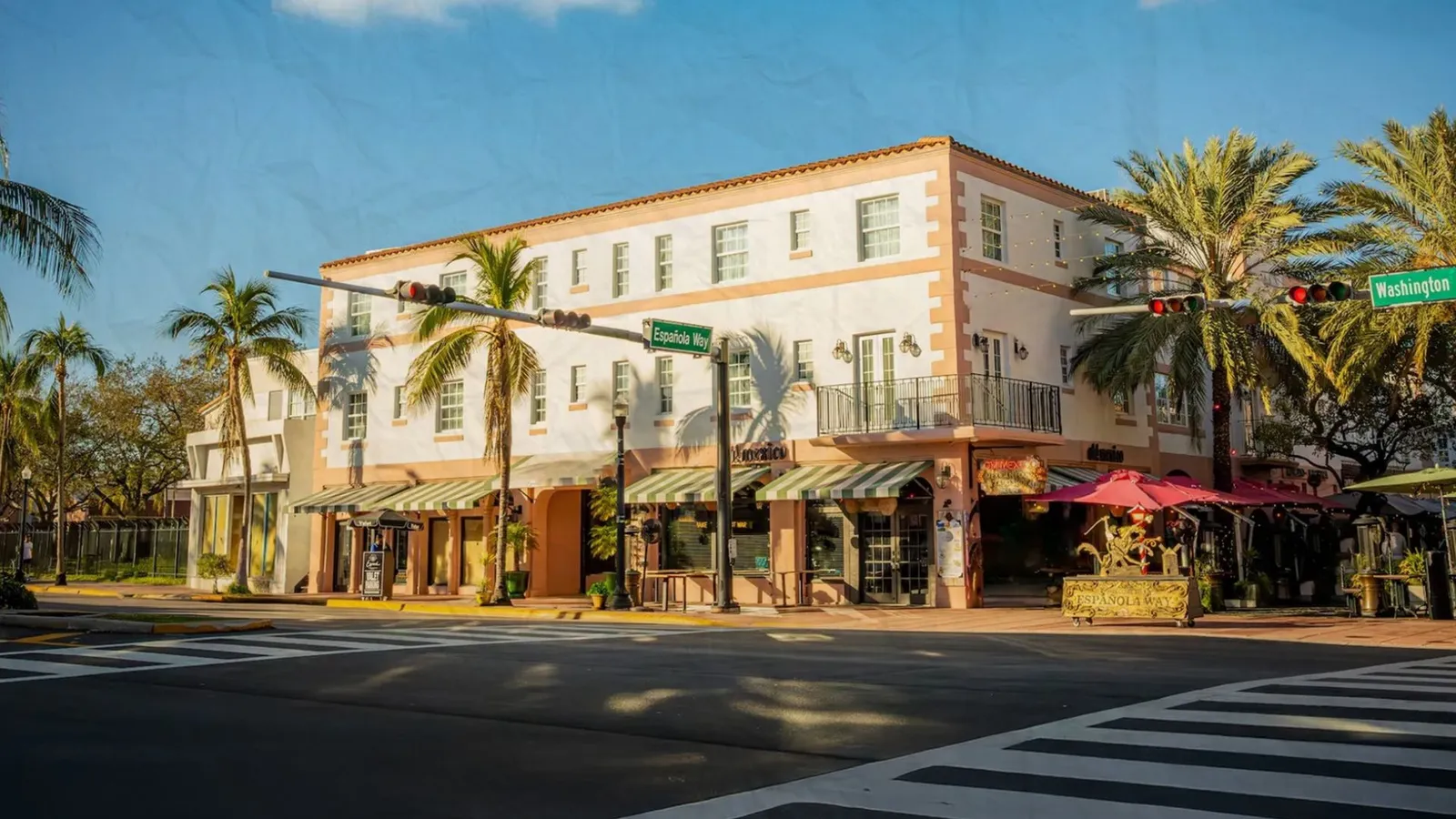

Traded Editorial
Three Key Points:
-
Design-focused hotels in Miami leverage events like Art Basel to achieve peak occupancy and premium pricing.
-
Sustainable and historic adaptive reuse projects boost long-term property values in high-demand areas.
-
Boutique luxury stays attract affluent travelers, enhancing ROI for CRE investors through experiential amenities.
Miami's commercial real estate landscape thrives on its vibrant cultural scene, with design-oriented hotels standing out as prime assets. As Art Basel and Design Miami draw global crowds in early December, these properties not only offer stylish retreats but also signal lucrative investment trends in hospitality,as reported by Wallpaper. For landlords and investors, understanding these hotspots reveals strategies for capitalizing on tourism-driven demand and aesthetic-driven valuations.
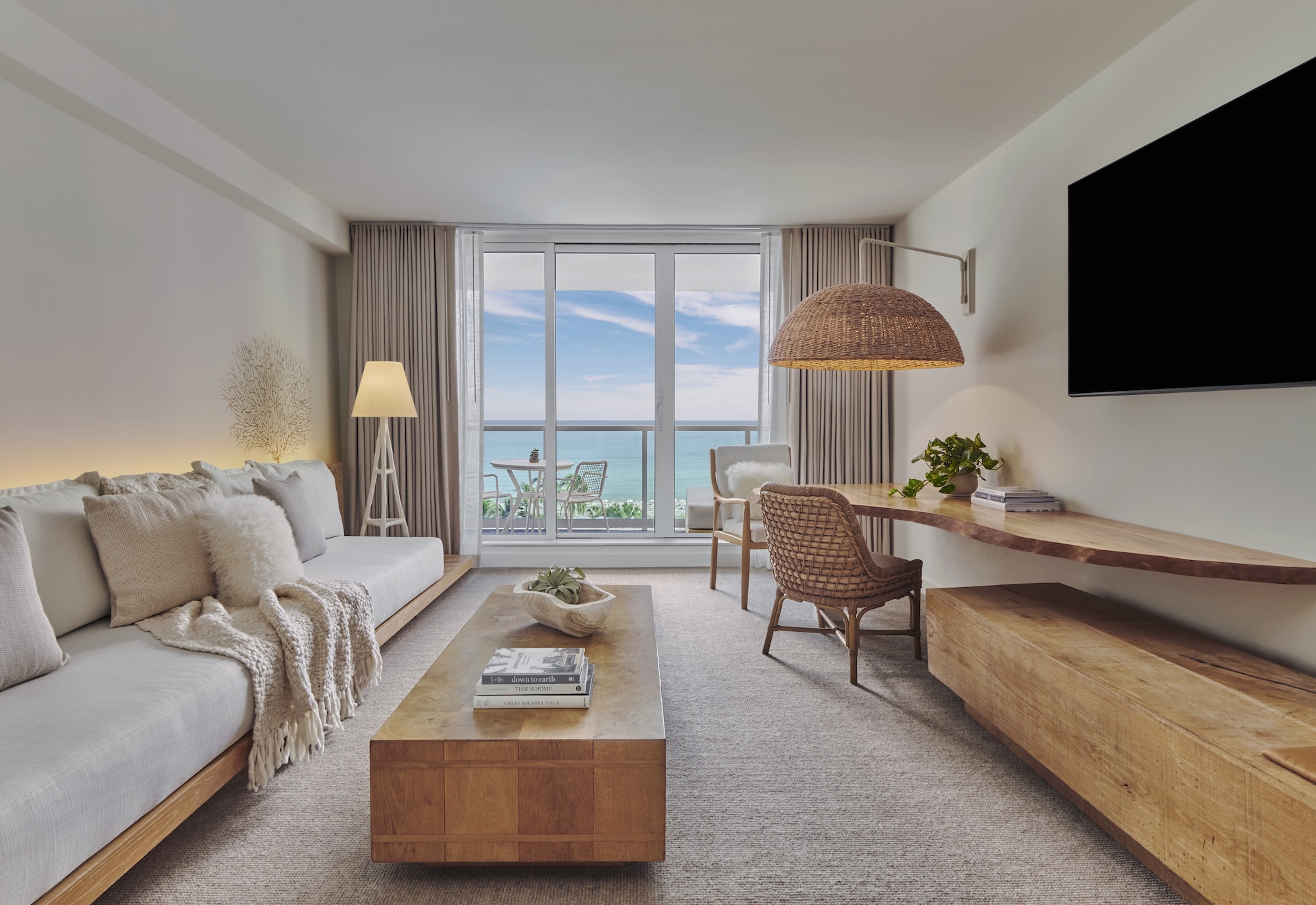
South Beach Sustainability Leader: 1 Hotel South Beach This eco-luxury property at 2341 Collins Ave blends raw materials like stone and reclaimed wood with a massive green wall of 12,000 plants. Its 425 rooms, rooftop pool, and Bamford Spa emphasize sustainability, appealing to design-savvy guests. For investors, it exemplifies how green certifications can command higher rents and attract ESG-focused buyers in Miami's competitive market.
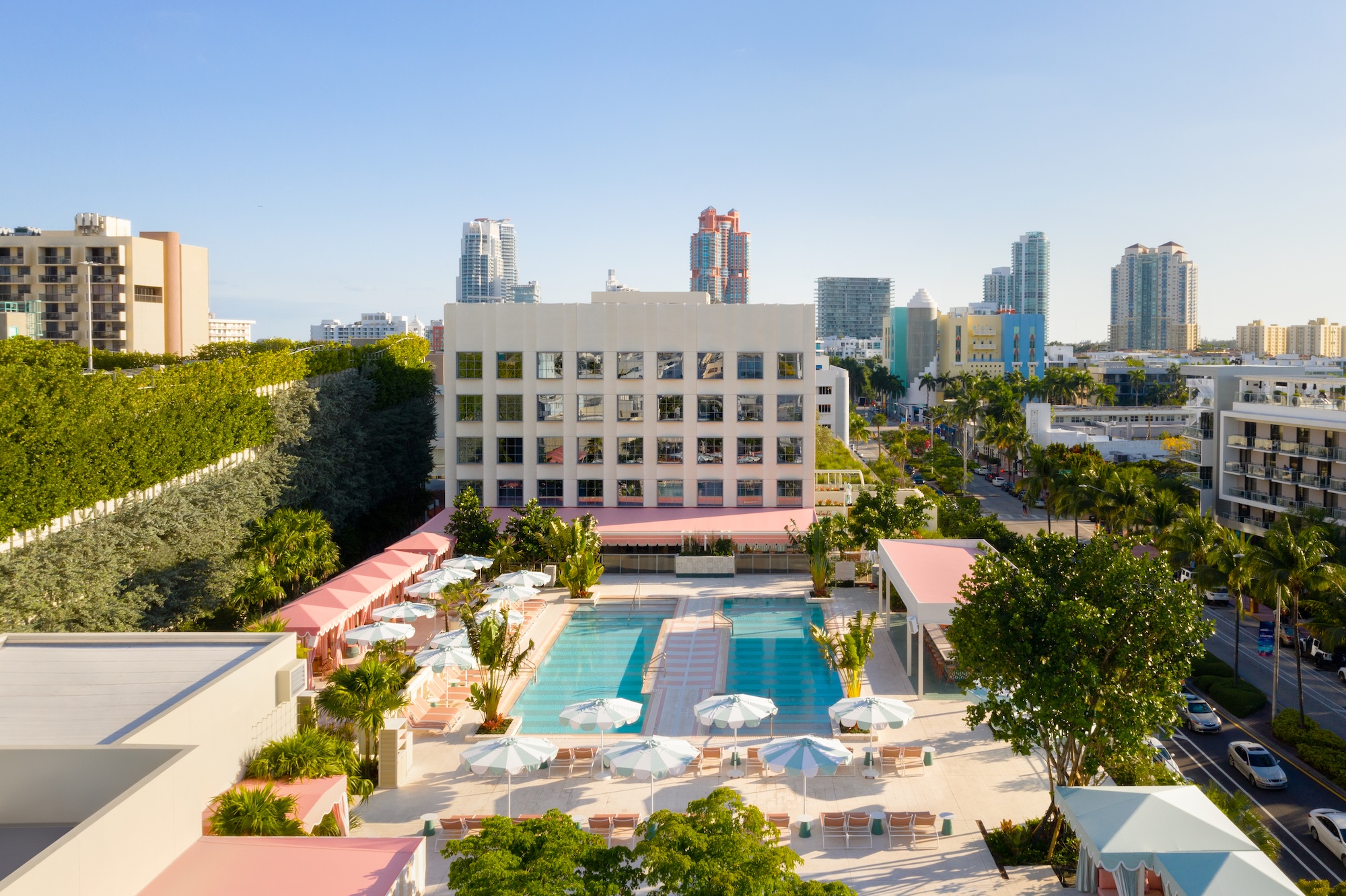
Art Deco Fusion: The Betsy Hotel Located on Ocean Drive, this Florida Georgian and art deco hybrid connects historic wings via a striking 'Betsy Orb.' Curated with art, literature, and live jazz, its interiors feature gallery walls and Fortuny chandeliers. Landlords can note the value in preserving architectural heritage while adding cultural programming to differentiate properties and sustain year-round appeal.
Maximalist Drama: Faena Miami Beach At 3201 Collins Ave, Faena's theatrical design includes gold columns, murals, and a Damien Hirst sculpture. With cabaret shows and opulent spaces, it caters to event-goers seeking immersion. This highlights opportunities for investors in bold, experiential developments that yield strong returns through entertainment integrations.
Adaptive Reuse Gem: The Moore Miami In the Design District, this converted 1920s showroom now houses suites with contemporary furnishings, a Zaha Hadid installation, and co-working spaces. Its multi-use model—blending hotel, club, and restaurant—demonstrates how repurposing industrial sites can maximize square footage and revenue streams for CRE portfolios.
Why This Matters for Investors / Landlords These hotels underscore Miami's CRE potential, where design innovation intersects with major events to drive occupancy rates above 80% during peak seasons. For landlords, focusing on sustainable or historic properties can secure premium tenants and appreciate asset values amid rising tourism. Investors should eye acquisitions or partnerships in South Beach and emerging districts like Coconut Grove, where experiential hospitality yields 5-7% cap rates in a resilient market.
Aesthetic & Eco-Friendly
In conclusion, Miami's design hotels aren't just stays—they're smart bets for CRE growth. As Art Basel evolves, prioritizing aesthetic and eco-trends will position investors for sustained profitability in this dynamic hotspot.