

Feb 4, 2026
Miami’s $4.4B International Buyer Surge Signals a New Luxury Real Estate Era
Traded Media

Traded Editorial
Key Points
- International buyers poured $4.4 billion into Miami residential real estate in 2025, up 42 percent year over year.
- Foreign buyers now represent roughly 15 percent of all home sales in Miami, far above the national average.
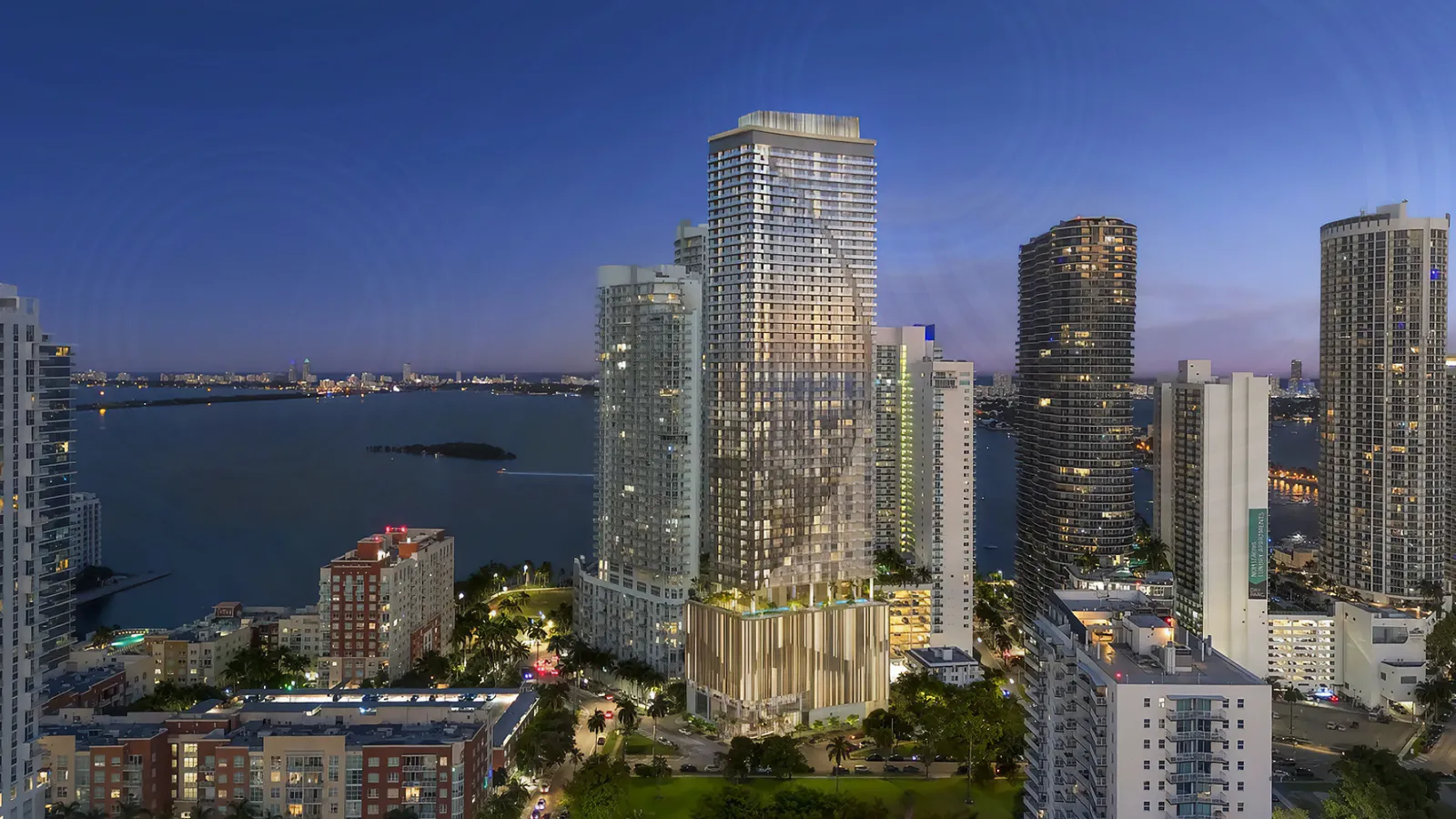
- Demand is increasingly focused on design forward, lifestyle driven luxury projects.
A Global Capital Magnet Once Again
Florida has reclaimed its place at the top of the international homebuying market, with Miami leading the charge. New data shows foreign buyers invested $4.4 billion into Miami-area residential properties in 2025, a sharp rebound that highlights the city’s growing role as a global real estate hub. This surge is not just about volume. It reflects renewed confidence in U.S. assets at a time when geopolitical instability and economic uncertainty continue to drive capital toward stable, lifestyle-rich markets.
Why Miami Continues to Win
International buyers now account for approximately 15 percent of all home sales in Miami, nearly seven times the national average. Across the country, Florida captured about one in five international residential purchases, with roughly half of that activity concentrated in the Miami metro area.
The appeal is structural. Miami offers political stability, favorable tax treatment, strong rental fundamentals, and a lifestyle proposition that few global cities can match. For international investors, the city functions as both a safe haven and a long-term value play.
Currency Shifts Are Fueling Demand
A softer U.S. dollar relative to major global currencies has amplified purchasing power for foreign buyers, particularly from Latin America. Combined with ongoing political and economic instability abroad, Miami real estate has become a preferred destination for capital preservation. Many of these purchases are not single-use assets. Buyers are increasingly acquiring properties that serve as second homes, income-producing rentals, and long-term wealth storage vehicles, giving Miami residential real estate a unique multi-functional appeal.
The International Buyer Is Changing
Beyond the surge in spending, the buyer profile itself is evolving. Younger international investors are entering the market with different priorities than past cycles. Architectural distinction, wellness amenities, and thoughtfully designed communities now rank alongside location and views. All-cash transactions remain common, particularly in the luxury segment, and demand is strongest for projects that balance high-end design with livability rather than pure trophy appeal.
What It Means for Developers and Investors
This influx of global capital is reshaping Miami’s development strategy. New projects are leaning harder into integrated amenities, lifestyle programming, and differentiated design to meet international expectations. For investors and landlords, this supports stronger pricing floors, faster absorption, and increased long-term liquidity at the high end of the market.
Bottom Line
Miami’s $4.4 billion international buying surge marks more than a rebound. It signals a structural shift in how global capital views the city. As foreign demand continues to influence pricing, design, and absorption, Miami’s luxury market is entering a new phase defined by global relevance, lifestyle-driven development, and durable investor demand.