

Apr 16, 2026
Miami-Dade moves to fine Amazon $2.6M over warehouse closure
Traded Media

Traded Editorial
- Miami-Dade may charge Amazon a $2.6M penalty tied to job commitments
- Warehouse closure impacts ~1,000 employees during two-year retrofit
- County says Amazon failed to meet the 325-job requirement agreement
What triggered the penalty against Amazon
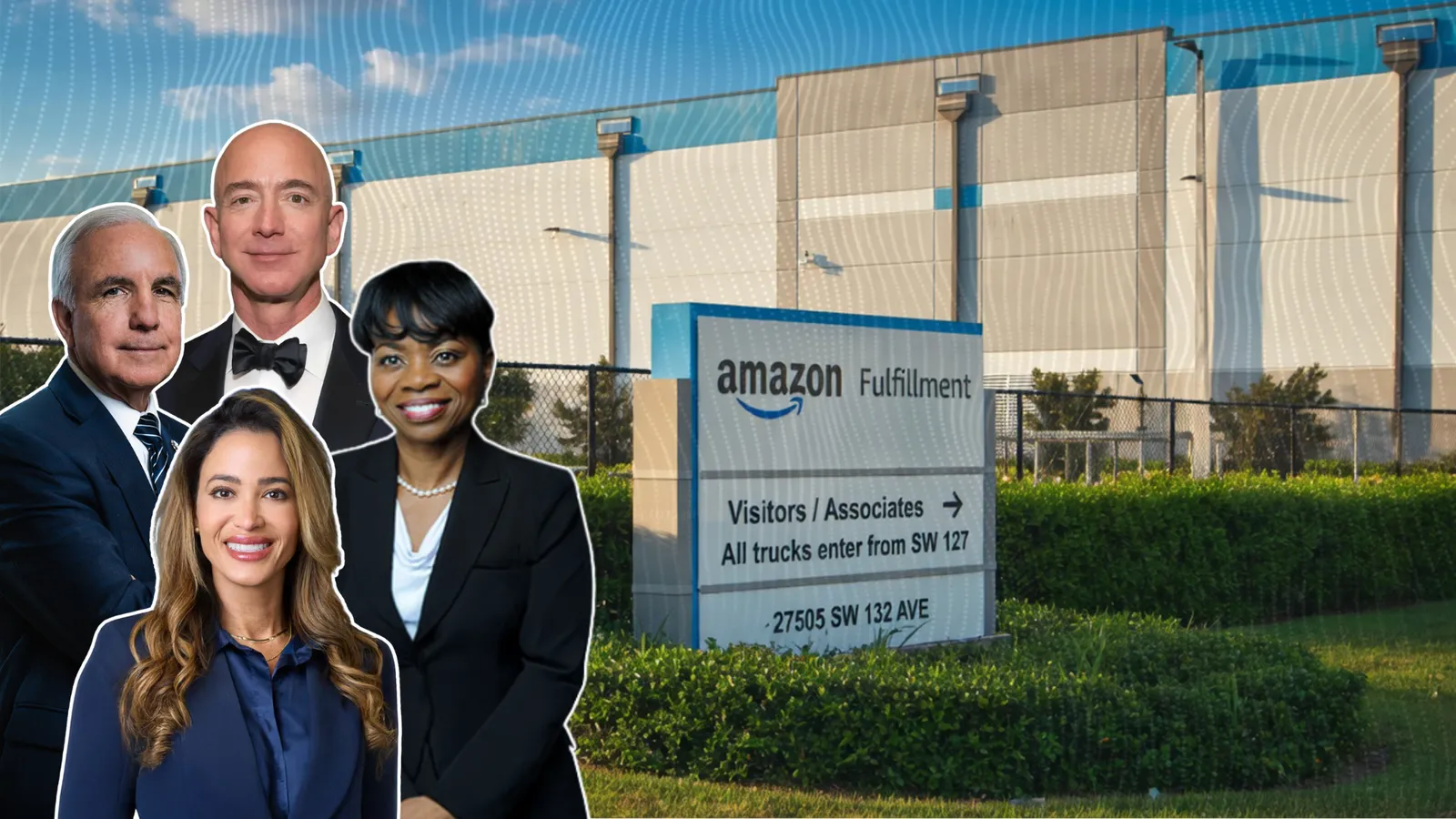
Amazon is facing a potential $2.6 million penalty from Miami-Dade County after announcing plans to temporarily close its Homestead warehouse. The facility, located on county-owned land, opened less than two years ago under an economic development agreement that required Amazon to maintain at least 325 jobs with specified wage levels. County officials now say the company has fallen short of that commitment.
How the agreement impacts the situation
The original 2020 deal allowed Amazon to purchase the site for $22 million through a no-bid process, tied to job creation requirements. Under the terms, the county can impose an $8,000 penalty for each missing job, which adds up to the proposed $2.6 million fine. The warehouse is now set to close for about two years starting this summer as Amazon upgrades it into a new type of distribution center.
What Amazon is saying
Amazon has stated it is offering affected employees positions at other facilities across South Florida and plans to bring workers back once renovations are complete.
“Our team is working closely with Miami-Dade County and its attorneys, and we’re hopeful we can find a cooperative path forward,” said spokesperson Amber Plunkett.
More than 300 employees have already accepted transfers within the region, according to the company.
Why local officials are pushing back
Miami-Dade officials argue that relocation offers are not sufficient, especially for workers based in Homestead who would face long commutes to other facilities.
“We have to hold them to account,” said Commissioner Danielle Cohen Higgins. “If you’re in Homestead, working in Opa-locka is really a substantial difference.”
The proposed penalty still requires full approval from the county commission before enforcement.
What this means for industrial and CRE players
This situation highlights the risks tied to incentive-based development deals, particularly when job creation benchmarks are involved. For developers and tenants, agreements with municipalities can carry long-term obligations that extend beyond initial construction or occupancy. For investors, it reinforces the importance of underwriting not just real estate fundamentals, but also compliance with local economic agreements tied to land deals and incentives.