

May 21, 2025
Miami Beach's Iconic Art Deco District Faces Threat from Revised Live Local Legislation

Traded Editorial
Key Points:
-
Florida's revised Live Local Act may permit developers to bypass local zoning, risking demolition of up to 2,600 historic Art Deco buildings in Miami Beach.
-
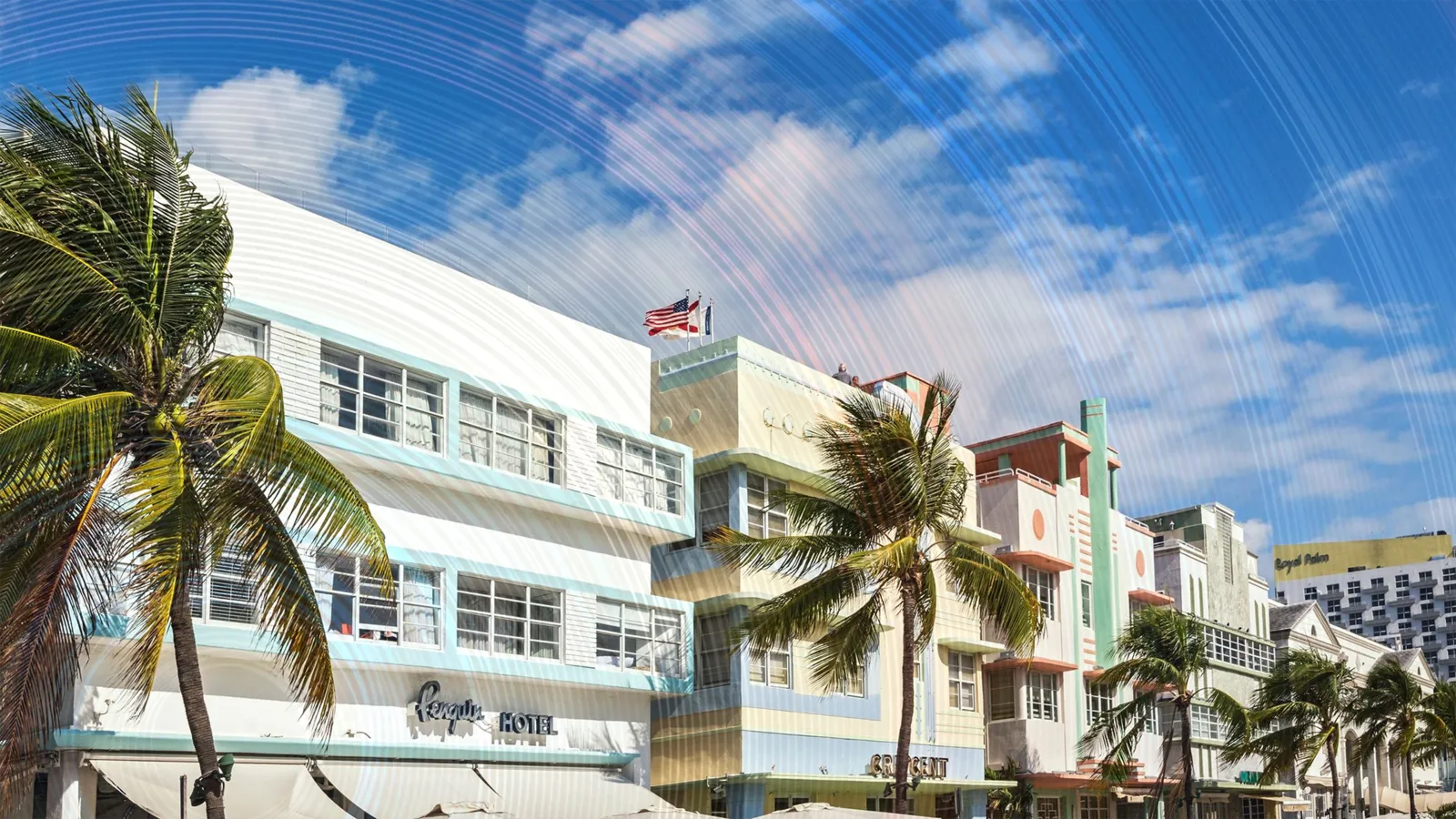
The city boasts the world's largest concentration of Art Deco architecture, a significant driver of tourism and cultural identity.
-
Developers argue the changes are necessary to address Florida's housing crisis, with 59% of renters spending over 30% of their income on housing.
Miami Beach's renowned Art Deco Historic District, a symbol of the city's cultural heritage and a major tourist attraction, is under threat. Proposed revisions to Florida's Live Local Act could allow developers to circumvent local preservation laws, potentially leading to the demolition of iconic low-rise buildings in favor of high-rise housing complexes, as reported by the Wall Street Joutnal. This development has sparked a heated debate between preservationists and advocates for affordable housing.
The Live Local Act: A Double-Edged Sword
The Live Local Act, enacted in 2023, was designed to address Florida's affordable housing shortage by offering developers tax incentives and the ability to bypass certain local zoning restrictions if they include workforce housing in their projects. However, proposed revisions to the Act could further erode local control, allowing for the demolition of historic structures without the usual preservation hearings.
-
The revised legislation would enable developers to construct buildings up to 50 stories tall in areas currently dominated by low-rise Art Deco architecture.
-
Local officials, including Miami Beach City Commissioner Kristen Rosen Gonzalez, have expressed concern, likening the potential loss to demolishing landmarks like the Eiffel Tower or the pyramids.
-
The Art Deco Historic District is second only to Disney World in generating tourism revenue for Florida.
Balancing Preservation and Housing Needs
Florida faces a significant affordable housing crisis, with 59% of renters considered cost-burdened. Developers argue that the ability to build higher-density housing is essential to meet demand and alleviate traffic congestion.
-
Developer Russell Galbut has proposed eight workforce housing projects in Miami Beach, emphasizing the need for increased housing stock.
-
Architect Kobi Karp suggests that historic preservation and development can coexist, citing projects like the renovation of the Raleigh Hotel, which integrates modern towers while preserving historic facades.
The Future of Miami Beach's Skyline
The potential changes have raised alarms not only in Miami Beach but also in other historic Florida cities like St. Augustine. Critics argue that once historic buildings are demolished, they cannot be replaced, leading to irreversible changes in the city's character.
-
The Miami Design Preservation League, founded in 1976, has been instrumental in protecting the city's architectural heritage.
-
Past preservation efforts have transformed Miami Beach into a vibrant tourist destination, attracting celebrities and artists.
-
The proposed legislation threatens to undo decades of preservation work, potentially turning Miami Beach into a city of high-rises devoid of its unique charm.
The debate over the Live Local Act revisions underscores the challenge of balancing the need for affordable housing with the preservation of cultural heritage. As Miami Beach grapples with these issues, the decisions made will have lasting implications for the city's identity and appeal. Stakeholders must work collaboratively to find solutions that honor the past while accommodating the future.