

Nov 28, 2025
Massimo Bottura's Torno Subito Takes Over Elastika Space in the Moore

Traded Editorial
Key Points:
-
Torno Subito, Massimo Bottura's acclaimed Miami restaurant, is relocating from downtown to the Miami Design District, reopening December 1 in the Moore building.
-
The move highlights the Design District's growing appeal as an artistic and cultural hub, attracting high-profile tenants like celebrity chefs.
-
This repositioning follows a seasonal closure amid challenges in South Florida's fine dining scene, signaling resilience in premium commercial spaces.
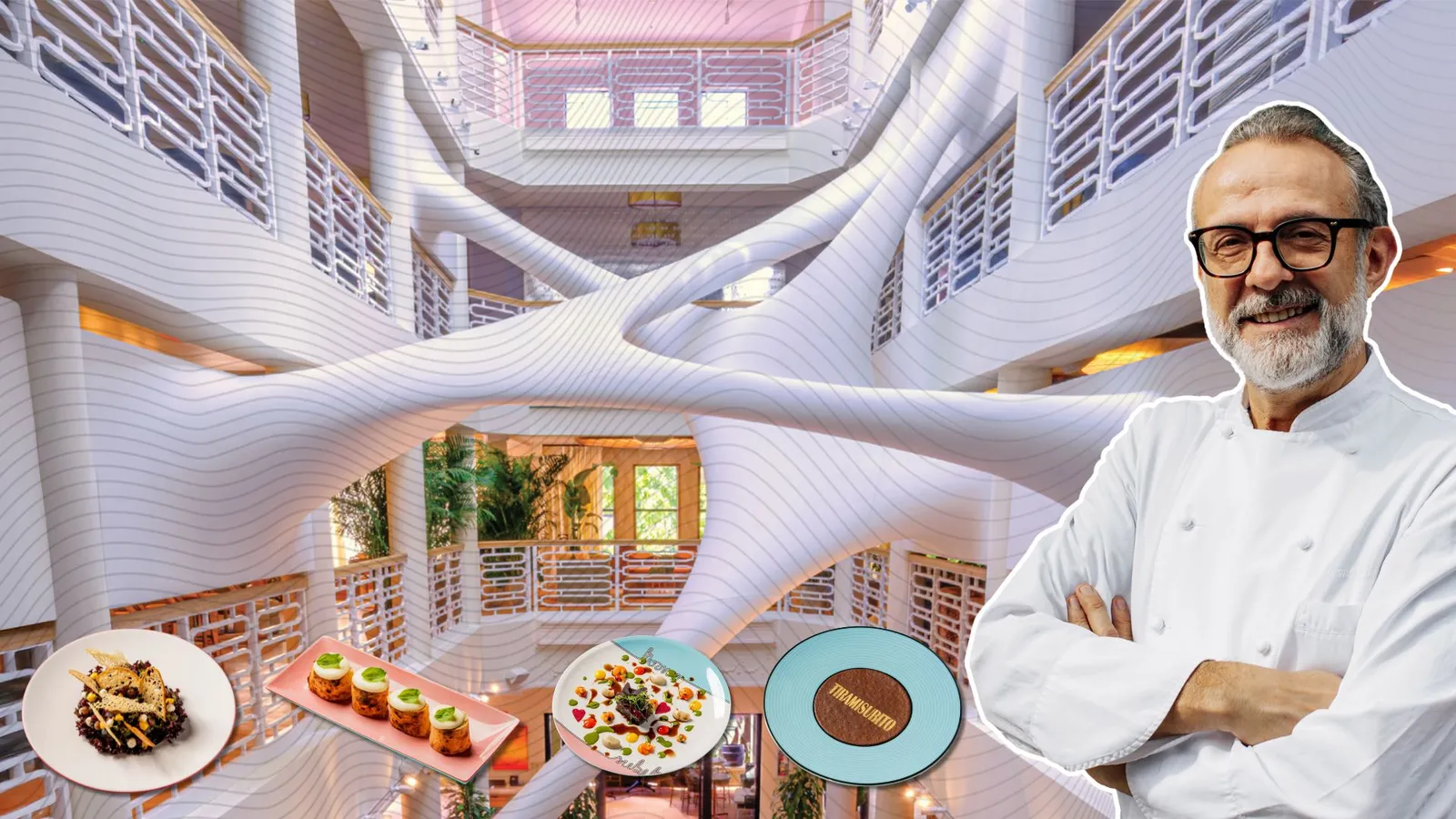
World-renowned chef Massimo Bottura is making a strategic pivot with his Miami outpost, Torno Subito, by relocating to the vibrant Miami Design District. After a brief summer hiatus from its downtown location, the restaurant is set to reopen in a redesigned space within the Moore building, emphasizing the area's artistic synergy and potential for commercial landlords.
The Relocation Details
Torno Subito's new home is the ground floor of the Moore, a 100,000-square-foot mixed-use property featuring a private members' club, boutique hotel, workspaces, and iconic art installations like Zaha Hadid’s Elastika. This shift from Julia and Henry’s in downtown Miami comes after the restaurant's June 29 closure, which was framed as a seasonal pause for staff training and development. The refreshed venue maintains its 1960s Italian Riviera aesthetic with bright pastels and playful Italian cuisine, seating 90 guests and offering lunch, dinner, brunch, and an all-day bar. Chef de cuisine Bernardo Paladini returns to helm the kitchen, preserving signature dishes focused on sustainability and waste reduction.
Partnership and Neighborhood Appeal
The relocation marks a collaboration between Bottura, WoodHouse founder Brady Wood, and president Simon Sorpresi, positioning Torno Subito as the Moore's public-facing anchor tenant. Bottura cited an immediate connection to the space's art collection and design focus, aligning with the Design District's reputation as a creative epicenter. This move underscores the neighborhood's transformation into a magnet for upscale dining and cultural experiences, following Torno Subito's Michelin Guide recommendation in its first year.
Why This Matters for Investors / Landlords
For commercial real estate investors and landlords, this relocation exemplifies the Miami Design District's rising value as a premium leasing market. High-profile tenants like Bottura can drive foot traffic, enhance property prestige, and justify higher rents in mixed-use developments. Amid South Florida's fine dining volatility—evidenced by recent closures—the Moore's ability to attract resilient concepts signals strong demand for spaces blending art, hospitality, and workspaces. Landlords should note opportunities in adaptive reuse, where cultural programming can stabilize occupancy and boost long-term yields in artistic districts.
A Rebirth in the Design District
Torno Subito's rebirth in the Miami Design District not only revives a celebrated dining spot but also highlights strategic leasing trends in evolving urban neighborhoods. Investors eyeing commercial properties should monitor such moves for insights into tenant preferences and market resilience.