

Mar 19, 2026
Marcus Partners Closes $875M Fund Targeting Industrial, Multifamily Assets
Traded Media

Traded Editorial
- Marcus Partners raised $875 million, exceeding its original target
- Fund will focus on industrial and multifamily value add investments
- Initial deals already completed in Atlanta
What this fundraise means for institutional demand
Marcus Partners closing its fifth fund above target shows that capital is still flowing into real estate strategies tied to stable, income producing sectors. The firm attracted strong participation from existing investors while also bringing in new institutional partners, signaling continued confidence in its operating platform. Even in a more selective capital environment, funds with clear strategies and track records are still able to raise oversubscribed vehicles, especially when focused on resilient asset classes.
What the strategy means for deal selection
What early acquisitions reveal about market focus
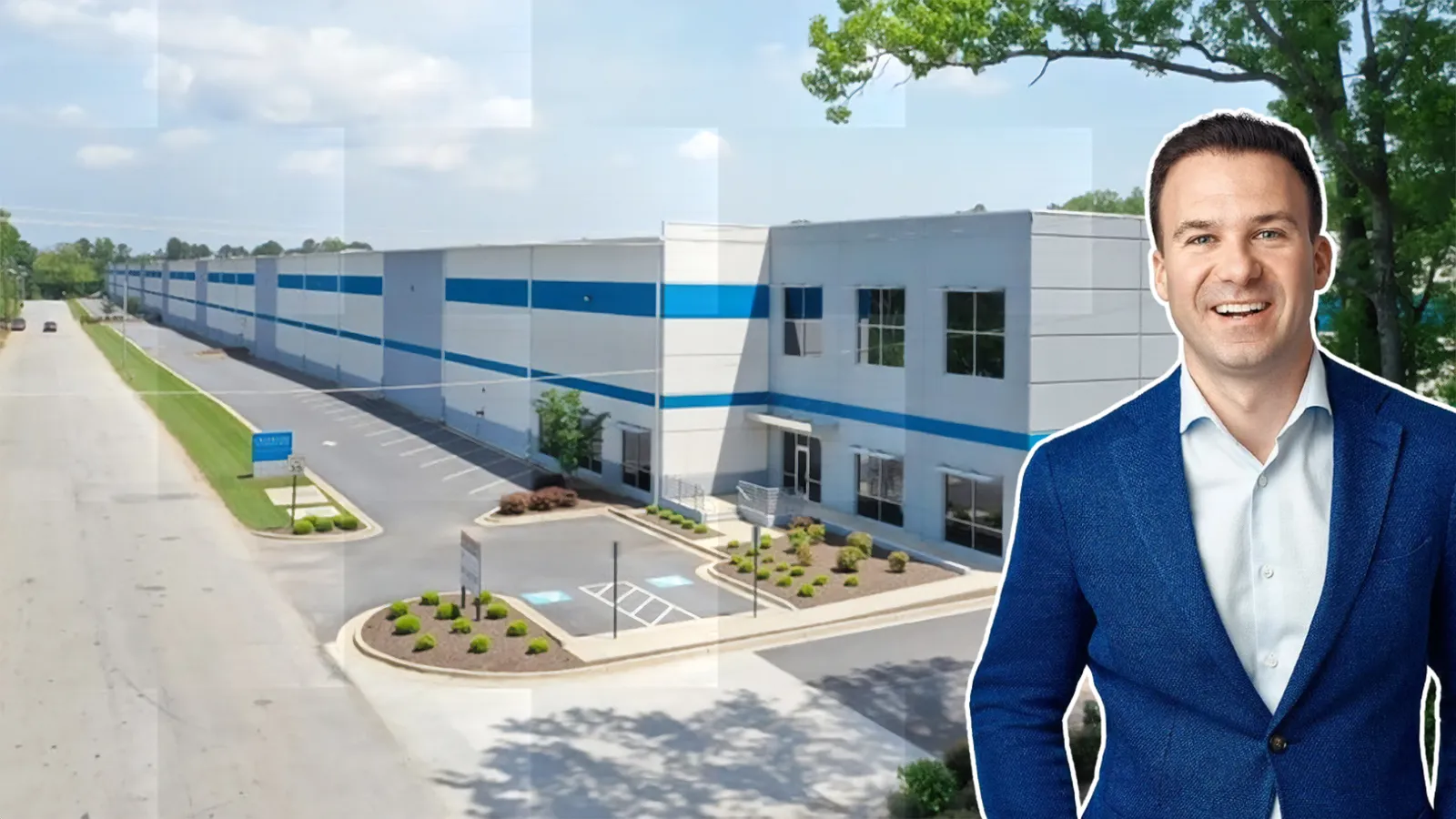
The fund has already deployed capital into two Atlanta assets, including a large industrial facility and a multifamily property. This early activity highlights a preference for Sun Belt markets, where population growth and economic expansion continue to drive demand. Atlanta remains a key logistics hub and one of the strongest multifamily markets in the region, making it a strategic entry point for capital deployment.
What broader trends mean for future investments
Marcus is aligning its investments with long term drivers such as infrastructure upgrades and energy grid expansion, which are creating demand for industrial outdoor storage and specialized facilities. At the same time, the firm is exploring additional sectors like build-to-rent housing and self-storage, while remaining cautious about regulatory risks in certain regions.
What this signals for investors
The successful raise reinforces a clear trend: institutional capital is concentrating on sectors tied to population growth, logistics, and essential infrastructure. For investors and operators, competition for well-located industrial and multifamily assets is likely to remain strong, particularly in high-growth markets across the U.S.