

May 5, 2026
Long Beach Airport Concourse Upgrade Moves Forward Ahead Of 2028 Olympics
Traded Media

Traded Editorial
- $37 million renovation underway at Long Beach Airport’s passenger concourse
- Project includes upgrades to all 11 gates, amenities, and outdoor spaces
- Completion targeted for summer 2027 ahead of the 2028 Olympic Games
What The Renovation Includes For Travelers
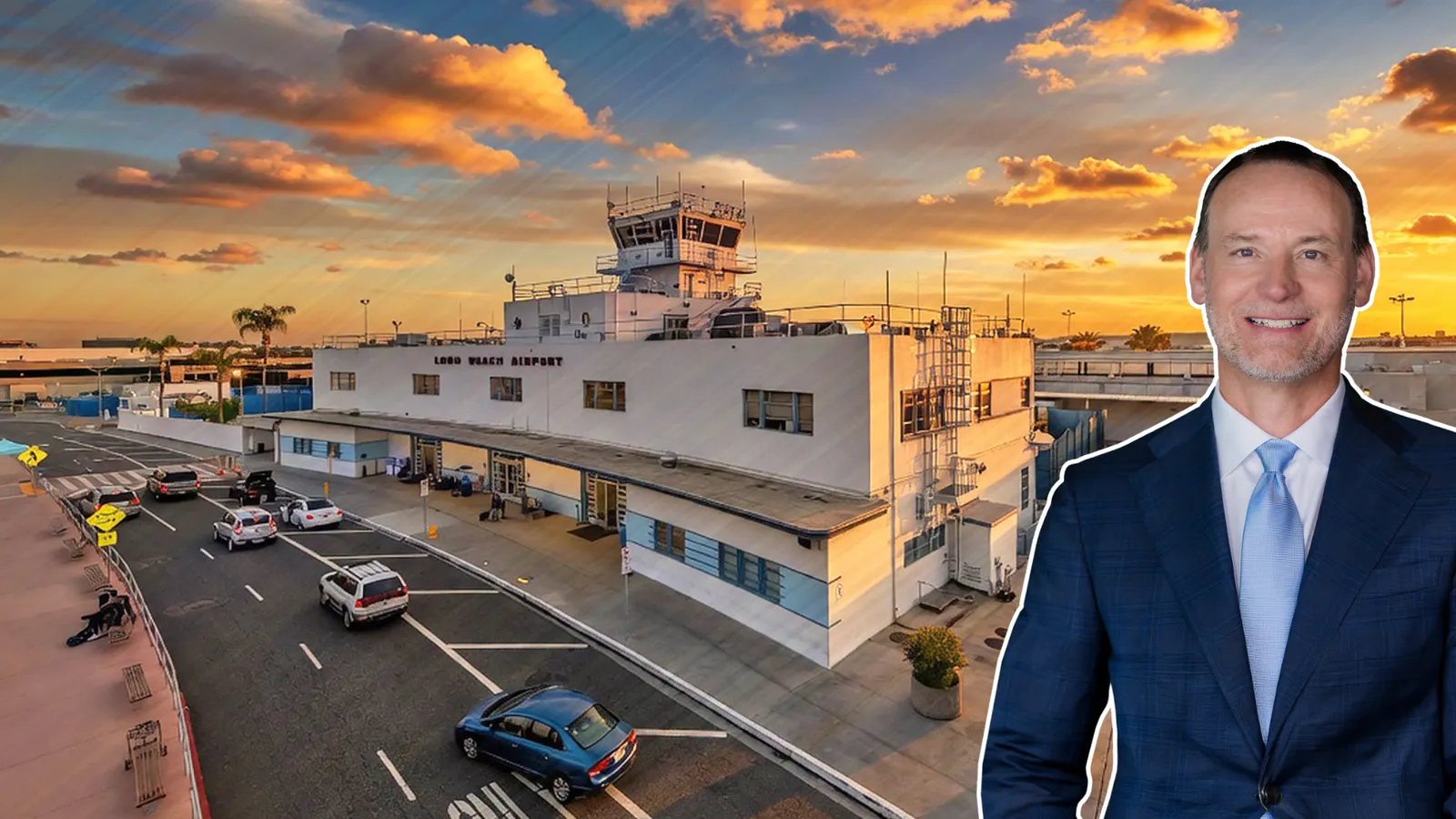
Long Beach Airport is moving ahead with a major concourse overhaul designed to modernize the passenger experience before global attention arrives for the 2028 Olympics. The $37 million project focuses heavily on both functionality and comfort, with upgrades spanning all 11 gate areas.
Passengers can expect redesigned restrooms, upgraded seating with built-in charging stations, and improved flight information systems. A new service animal relief area is also part of the plan, reflecting more inclusive and practical airport design standards.
The airport is also investing in wayfinding improvements, which may sound minor but tend to have an outsized impact on passenger flow and overall experience.
What Outdoor And Design Enhancements Add To The Experience
One of the more distinct features of this renovation is the emphasis on open-air design, which aligns with Long Beach’s laid-back Southern California identity. The central garden area will be enhanced with new seating, lighting, canopies, and upgraded landscaping.
Two additional outdoor garden spaces will be added at the north and south ends of the concourse, creating more room for passengers to relax outside, something that continues to differentiate Long Beach Airport from more traditional enclosed terminals.
There will also be an extension of the exterior pedestrian canopy, improving circulation and weather protection for travelers moving between spaces.
What Infrastructure And Sustainability Upgrades Mean
Behind the scenes, the project includes significant system upgrades that aren’t as visible but are critical long-term. Mechanical, electrical, and plumbing systems are being modernized, and a backup generator will be installed to improve operational resilience.
Sustainability is also part of the equation, with LED lighting and other energy-efficient features being incorporated throughout the concourse.
These types of infrastructure investments tend to extend the lifespan of airport assets while reducing operating costs over time, something municipalities increasingly prioritize.
What The Financing And Timing Signal
The renovation is partially funded through a more than $24 million grant from the Federal Aviation Administration, highlighting federal support for infrastructure tied to major international events.
Construction is being handled by PCL Construction Services, with completion expected in summer 2027. That timeline gives the airport a buffer ahead of the Olympic influx, ensuring systems and operations are fully tested before peak demand hits.
Given that the existing concourse only opened in 2012, this upgrade reflects how quickly passenger expectations and infrastructure standards are evolving, especially in competitive regional airports.
What This Means For Regional Infrastructure Investment
This project is a clear example of how mid-sized airports are positioning themselves ahead of major global events. Rather than expanding its footprint, Long Beach is doubling down on experience, efficiency, and design.
For investors and developers watching infrastructure trends, it reinforces a broader shift toward modernization over expansion, especially in built-out urban markets where space is limited.
With the Olympics acting as a catalyst, projects like this often accelerate timelines that might otherwise stretch out over a decade.