

Apr 15, 2026
Lincoln Center rolls out San Juan Hill mural as $335M west side overhaul moves forward
Traded Media

Traded Editorial
- Lincoln Center debuts a 4,000-square-foot mural tied to its west side transformation
- The $335 million redevelopment will reconnect the campus to surrounding neighborhoods
- A new 2,000-seat venue and redesigned park are planned ahead of a 2028 completion
What the mural represents for community-driven redevelopment
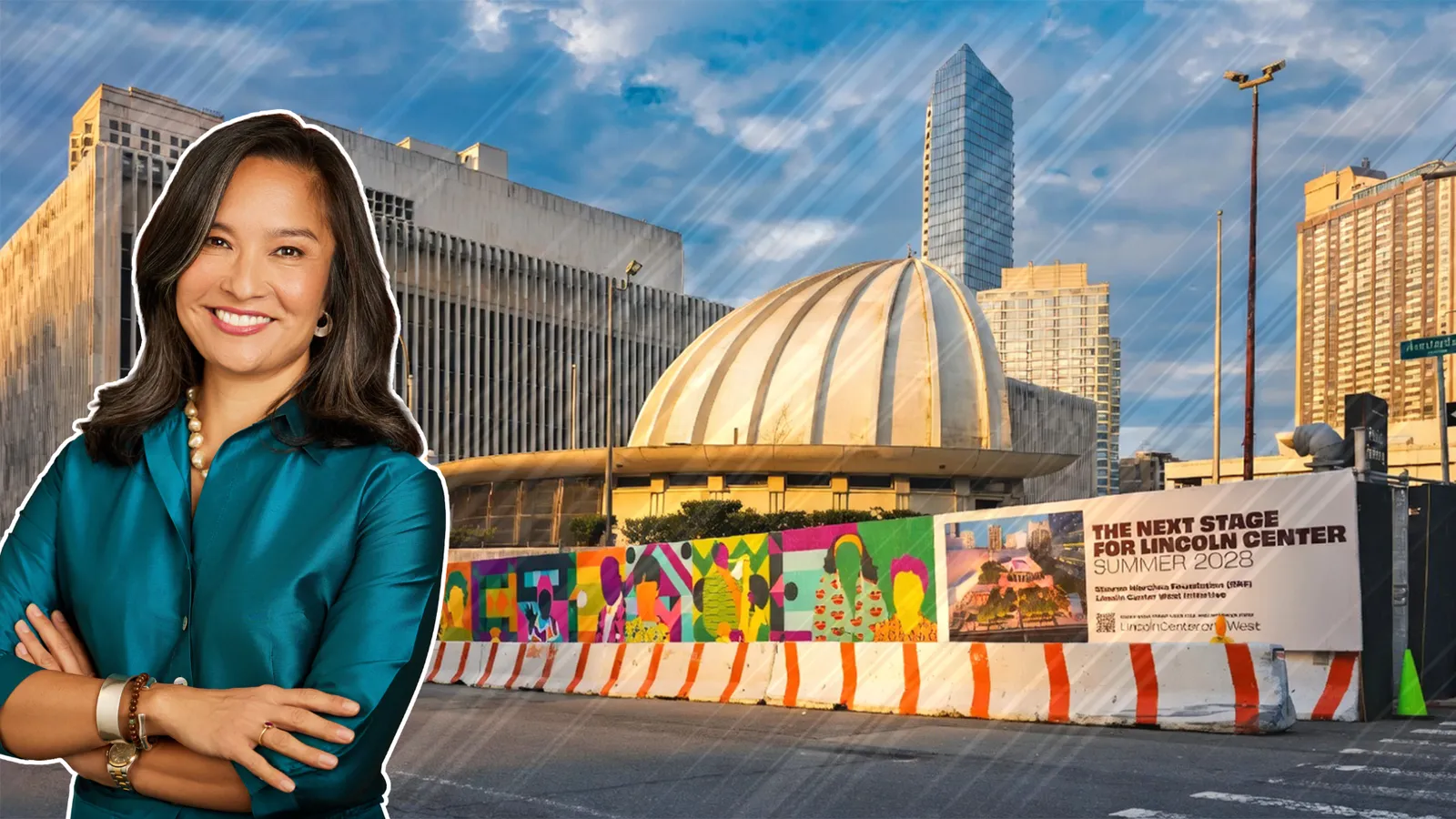
Lincoln Center has unveiled “The Future We Create,” a large-scale mural installed along construction fencing at Damrosch Park. The artwork reflects community input and honors San Juan Hill, the neighborhood displaced during the original development of the campus. Designed by Vanesa Álvarez and Derval Fairweather, the mural incorporates local stories and imagery, signaling a shift toward more inclusive and community-focused development.
“I’m so thrilled to unveil ‘The Future We Create,’” Álvarez said. “This is more than a piece of art, it’s a story. Behind this mural is a history of community, joy of color, of people spending time together creating together, believing in the arts, and being part of making it.”
How the west side redesign improves access and connectivity
The mural installation is part of the broader Stavros Niarchos Foundation Lincoln Center West Initiative, launched in 2023. The project targets the Amsterdam Avenue side of the campus, long criticized for its physical barriers and limited accessibility. A wall ranging from five to 20 feet has historically separated Lincoln Center from nearby residential communities and schools. The redevelopment aims to remove these barriers and create a more open and connected public space. This repositioning aligns with a key urban real estate trend. Improving accessibility and pedestrian flow can significantly increase foot traffic and long-term asset value, especially in dense markets like Manhattan.
What the Damrosch Park overhaul means for activation
Damrosch Park will undergo a major redesign to support both cultural programming and daily public use. Plans include a permanent theater and an open plaza with seating for approximately 2,000 people.
The updated park will also feature new gardens, public seating, and enhanced lighting, all shaped by feedback from more than 3,400 New Yorkers. The goal is to transform the space into a more active and welcoming destination.
“The new design for Damrosch Park will repair what for so long has been one of the great failures of Lincoln Center, the cold shoulder it turns toward its neighbors to the west, replacing an uninviting open space with a vibrant new park gracefully connected to its surroundings,” Paul Goldberger said.
What the capital backing signals for investors
The redevelopment is supported by a $335 million capital campaign, with about 65 percent of funding already secured. Major contributions include a $75 million grant from the Stavros Niarchos Foundation and $10 million from the State of New York. This mix of institutional and public funding reflects strong confidence in the long-term viability of the project. Large-scale cultural redevelopments like this increasingly serve as anchors for broader economic and real estate activity.
What this means for New York real estate players
Lincoln Center’s west side transformation highlights a growing focus on experience-driven, community-integrated assets. By opening up previously closed-off space and adding year-round activation, the project positions itself to drive consistent foot traffic and engagement. For landlords and investors, this type of redevelopment reinforces the importance of connectivity and placemaking in maintaining asset value. As construction moves toward its 2028 completion, the surrounding area could see increased demand and stronger long-term fundamentals.