

Apr 2, 2026
LA Resets Marlton Square Plans As Office Project Falls Apart In Baldwin Hills
Traded Media

Traded Editorial
- City of Los Angeles scrapping prior office-led redevelopment plan
- 5.7-acre Marlton Square site to be re-marketed or repurposed
- Weak office demand forcing shift toward new development strategies
What the failed office plan means for development strategy
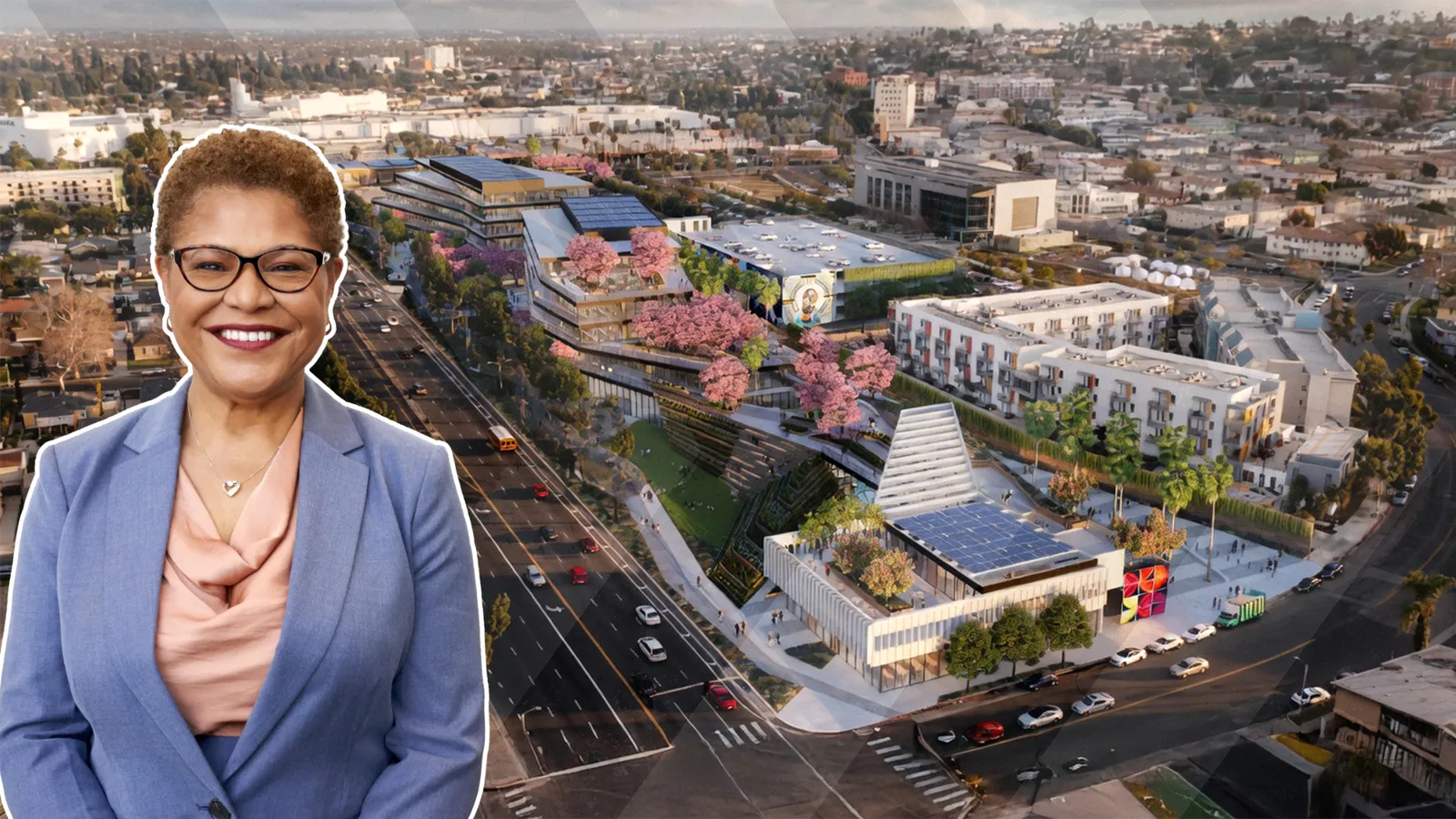
The City of Los Angeles is resetting plans for the 5.7-acre Marlton Square site after a proposed office-heavy redevelopment by Hudson Pacific Properties was deemed financially infeasible. The original plan called for 300,000 square feet of office space and ground-floor retail. However, ongoing weakness in the office market has made the project unworkable, forcing the city to abandon the agreement. This reflects a broader trend where office-led developments are being reconsidered across major markets.
What the reset means for future construction opportunities
City officials are now exploring new options for the site, including issuing a fresh request for proposals to attract developers with updated concepts. There is also discussion around incorporating public uses such as park space, which could reshape the site’s long-term development potential. Given the size and location, the property remains a strong candidate for mixed-use or residential-focused redevelopment.
What this says about shifting market demand
The collapse of the office plan highlights how demand has shifted away from traditional office uses, especially in markets like Los Angeles, where recovery has lagged. Developers are increasingly pivoting toward residential, mixed-use, or alternative asset classes that better align with current demand. Sites that were once earmarked for office are now being reconsidered as housing or community-focused developments.
What nearby development activity signals
The surrounding area is already seeing redevelopment momentum, including residential projects and ongoing plans at the nearby Baldwin Hills Crenshaw Plaza. This activity suggests that while office demand may be weak, there is still a strong interest in repositioning underutilized land in the area. A new development proposal for Marlton Square could align with these trends and unlock new value.
What this means for developers and investors
The Marlton Square reset is a clear example of how quickly development plans must adapt to market conditions. For developers, flexibility is critical. Projects that cannot pencil under current demand must pivot to uses with stronger fundamentals. For investors, this creates opportunity. Sites like this, once tied to outdated concepts, can be repositioned into higher-demand asset classes with better long-term returns.