

Feb 14, 2026
Kevin Tsai Architecture Wins Approval for 15 Unit Infill Project Near USC
Traded Media

Traded Editorial
Key Points:
- Kevin Tsai Architecture secured approval to redevelop its own office site at 1439 W. Jefferson Blvd into a six-story mixed-use building.
- The project will deliver 15 apartments, one ADU, and 450 square feet of ground-floor commercial space with no on-site parking.
- Two units will be reserved for very low-income renters in exchange for density bonus incentives.
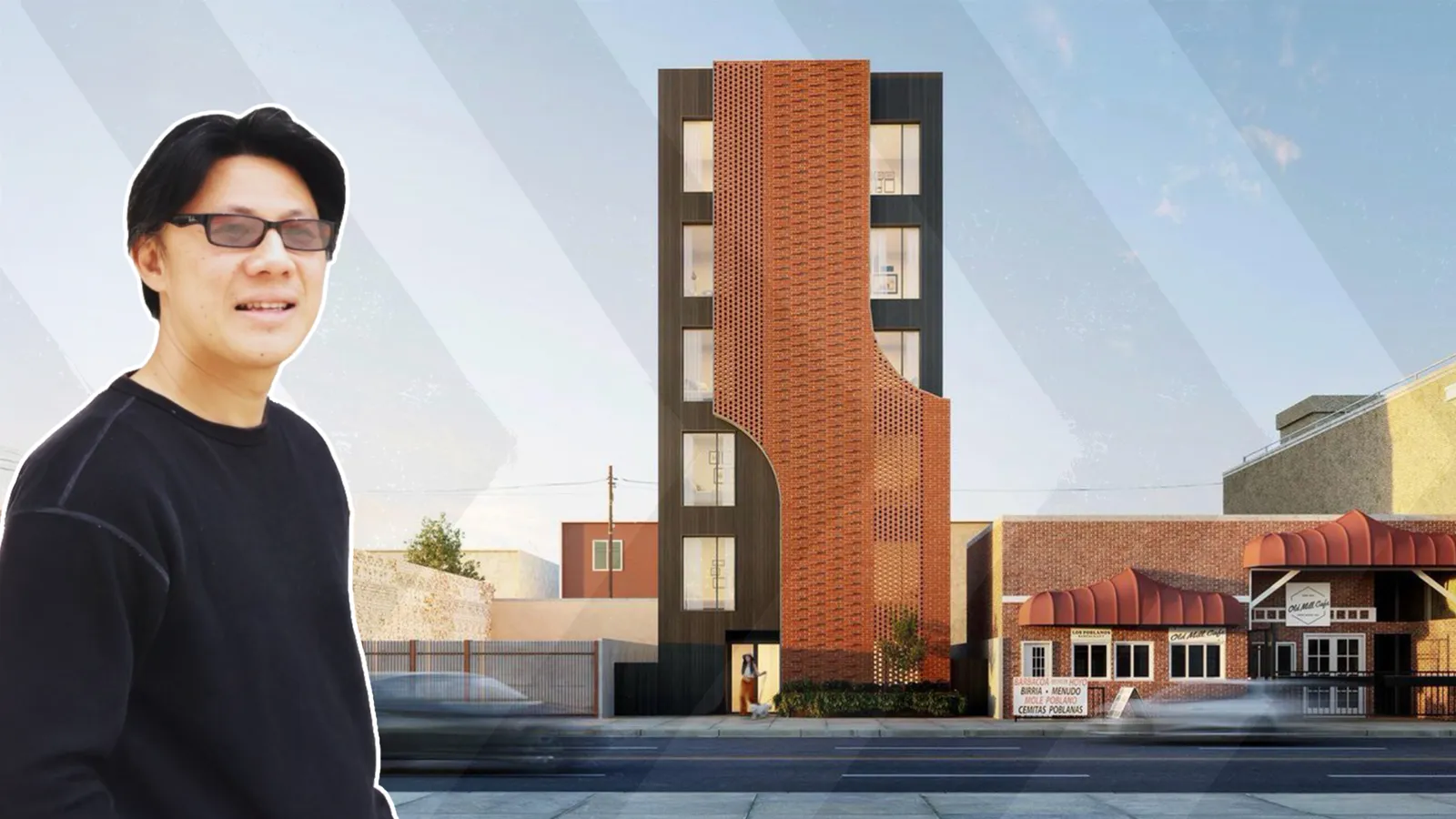
The Los Angeles City Planning Commission has approved a small-scale infill redevelopment at 1439 W. Jefferson Boulevard in the Adams-Normandie neighborhood. Kevin Tsai Architecture plans to demolish its existing single-story office building and replace it with a six-story mixed-use project featuring 15 apartments plus one accessory dwelling unit.
Project Scope
The development will include one, two, and three-bedroom units stacked above 450 square feet of commercial space along Jefferson Boulevard. No on-site parking is proposed, aligning with transit-oriented development trends and density bonus incentives. In exchange for increased building size, two apartments will be set aside as affordable housing at the very low-income level. Kevin Tsai is not only designing the project but also developing it. He has previously indicated plans to syndicate the deal among employees, creating a unique owner-occupied style development model.
Design and Location
Renderings show a building clad primarily in smooth black cement plaster with a decorative brick wall accent along Jefferson Boulevard. The scale fits into a corridor that has seen increasing multifamily activity west of USC. The site sits near several notable projects, including Jefferson Flats, a 130-unit apartment building, and other proposed affordable housing conversions nearby. Construction is expected to begin this summer.
Investor Takeaway
While modest in scale, this project highlights a continued push for small lot density in neighborhoods surrounding USC. With no parking and only two affordable units, the pro forma likely benefits from lower construction costs and density bonus incentives. For investors, the signal is clear. Even smaller architecture firms are stepping into development roles, leveraging city incentives to unlock value on underutilized parcels near strong renter demand drivers like universities. Incremental infill may not dominate headlines, but it continues to shape Los Angeles’ rental pipeline block by block.