

Apr 7, 2026
Kasumigaseki Capital Expands U.S. Strategy with Miami Worldcenter Tourism Play
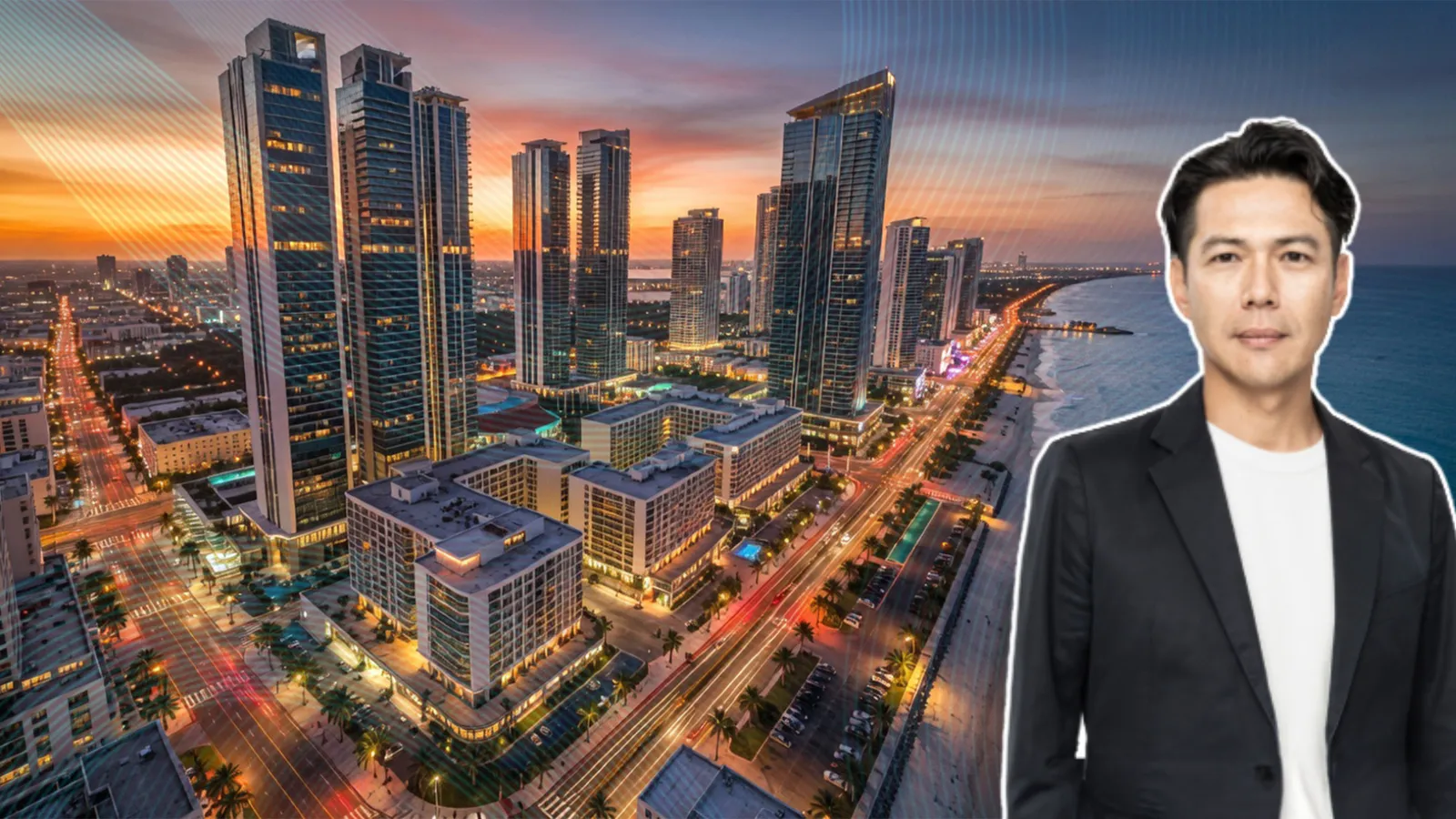
Traded Media

Traded Editorial
- Kasumigaseki Capital Co., Ltd. targeting hotel-led mixed-use in Miami
- Led by Tatsuo Higuchi
- Focus on tourism, residential, and hospitality integration
What the leadership means for execution
Kasumigaseki Capital’s U.S. strategy is being shaped by Tatsuo Higuchi, whose background in hotel development and large-scale real estate gives the firm an edge in mixed-use execution. His experience across hospitality and site acquisition allows the company to identify locations that benefit from strong travel demand, while also structuring projects that blend residential and commercial uses efficiently.
What the Miami move means for investment strategy
By entering Miami, the firm is targeting one of the strongest tourism markets in the U.S. The city’s international appeal, cruise industry, and steady inflow of global visitors make it a natural fit for a hospitality-first development strategy. This is not a random expansion. It is a calculated move into a market where tourism directly supports real estate performance.
What the mixed-use model means for returns
The Miami Worldcenter project is designed as a destination-style development, combining hotels and residences in one location. This structure allows the asset to generate revenue from multiple sources while keeping activity consistent throughout the year. Hotel demand drives short-term income, while residential units provide stability, creating a balanced investment profile.
What this means for future growth
This project is likely the starting point for broader U.S. expansion. Kasumigaseki Capital is positioning itself to scale in markets where tourism and real estate intersect, using Miami as a blueprint. The strategy is clear. Focus on high-traffic destinations, integrate hospitality into mixed-use projects, and build assets that benefit from both travel demand and long-term residential growth.