

Aug 21, 2026
JPI Plans 257-Unit Apartment Community in Gardena
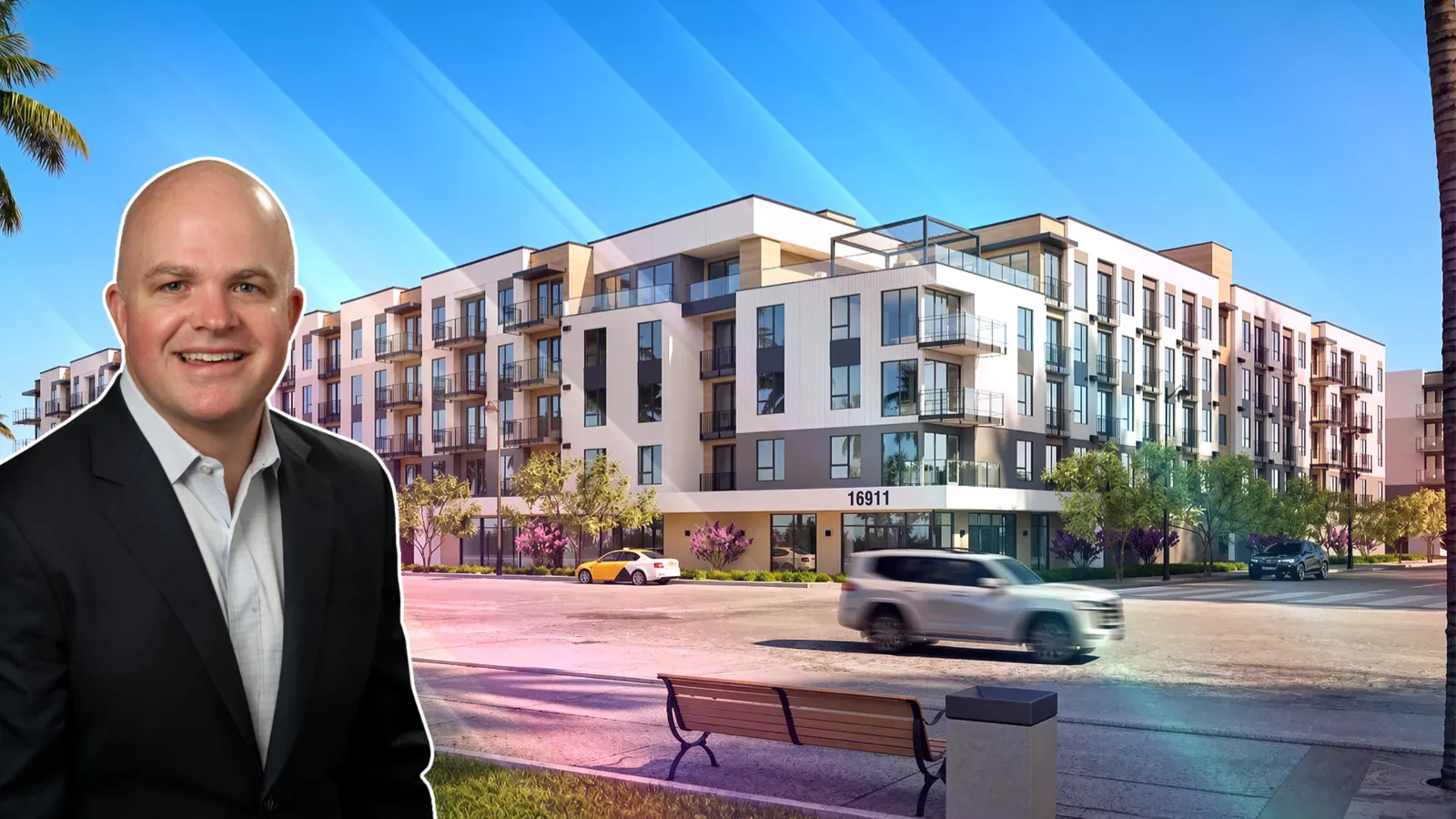
JPI and Chuo Nittochi America Corp. plan to develop Normandie Apartments, a 257-unit luxury apartment community at 16911 S. Normandie Avenue in Gardena, California, costing approximately $125 million.

Traded Editorial
- JPI plans to develop a 257-unit luxury apartment community at 16911 S. Normandie Avenue in Gardena, California, in partnership with Chuo Nittochi America Corp.
- The project, called Normandie Apartments, is expected to cost approximately $125 million.
- Groundbreaking is scheduled for September 2026, with completion targeted for March 2029.
- The community will include studios, one- and two-bedroom apartments, a resort-style pool and spa, rooftop deck, fitness center, clubhouse and outdoor gathering areas.
What JPI Is Planning at 16911 S. Normandie Avenue
JPI has acquired a site in Gardena's South Bay submarket with plans for a new 257-unit luxury apartment community. Known as Normandie Apartments, the project is planned for 16911 S. Normandie Avenue, about 10 miles southeast of Los Angeles International Airport. The approximately $125 million development is being pursued through a partnership between JPI and Chuo Nittochi America Corp., a Tokyo-based investment firm. Groundbreaking is expected in September, with construction scheduled to wrap up in March 2029.
What The Apartment Community Will Offer
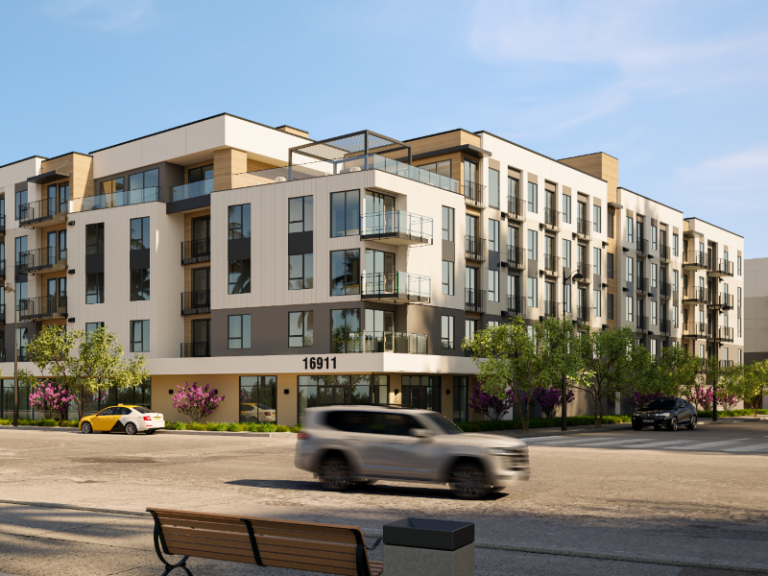
Normandie Apartments will feature a mix of studio, one-bedroom and two-bedroom residences. The four-level community will have a low-rise design with setbacks and a contemporary exterior. The project is intended to offer an upscale residential experience in a South Bay market where new apartment deliveries have been relatively limited. Planned amenities include a resort-style pool and spa with cabanas, rooftop deck and fitness center. Residents will also have access to a clubhouse, library, open-air kitchen and barbecue area, giving the project several spaces for recreation and social activities.
What The South Bay Market Means for the Project
JPI says the South Bay remains a supply-constrained apartment market, with only a handful of new multifamily communities delivered in recent decades. At the same time, the area benefits from demand tied to the aerospace and defense industries. Major employers with facilities in the broader market include Raytheon, Lockheed Martin, Boeing and Northrop Grumman. That combination of limited new supply and employment-driven housing demand provides the backdrop for JPI's new Gardena development.
What The Development Team Is Bringing to Gardena
JPI is developing Normandie Apartments in partnership with Chuo Nittochi America Corp. The project adds to JPI's national multifamily pipeline. The developer recently closed on additional sites in Austin, metro Orlando, Durham, North Carolina, and McKinney, Texas, with those projects ranging from 323 to 400 units. Chuo Nittochi America is also active in U.S. multifamily development. The company is partnering with RXR Realty on the 274-unit Ave Horsham project in Montgomery County, Pennsylvania, and with Crescent Communities on the planned 312-unit Render Tucker development in suburban Atlanta.
What The Los Angeles Apartment Market Looks Like
The Gardena project comes as multifamily construction remains active across the Los Angeles region. Yardi Matrix data cited in the report showed approximately 24,121 apartment units under construction in the Los Angeles market as of April. Developers added 1,995 units during the first four months of the year. The metro has averaged nearly 11,500 new units annually since 2018, with the pace increasing to roughly 13,000 units per year over the past three years. Stabilized apartment occupancy was 95.7% in March, down 30 basis points year over year but still above the 94.2% national rate.
What The Timeline Looks Like
JPI expects to break ground on Normandie Apartments in September 2026. The development is currently targeting March 2029 for completion. If the schedule holds, the project will bring 257 new apartments to Gardena as the South Bay continues to face limited multifamily supply and strong housing demand from the region's employment base.