

Mar 31, 2026
Joseph Development Files Plans for 88-Unit Mixed-Use Project in Harlem
Traded Media

Traded Editorial
- Joseph Development LLC filed permits for an 88-unit mixed-use building
- Project spans 64,933 square feet with a retail component
- Located near the 116th Street subway station in Harlem
What the permit filing means for the development pipeline
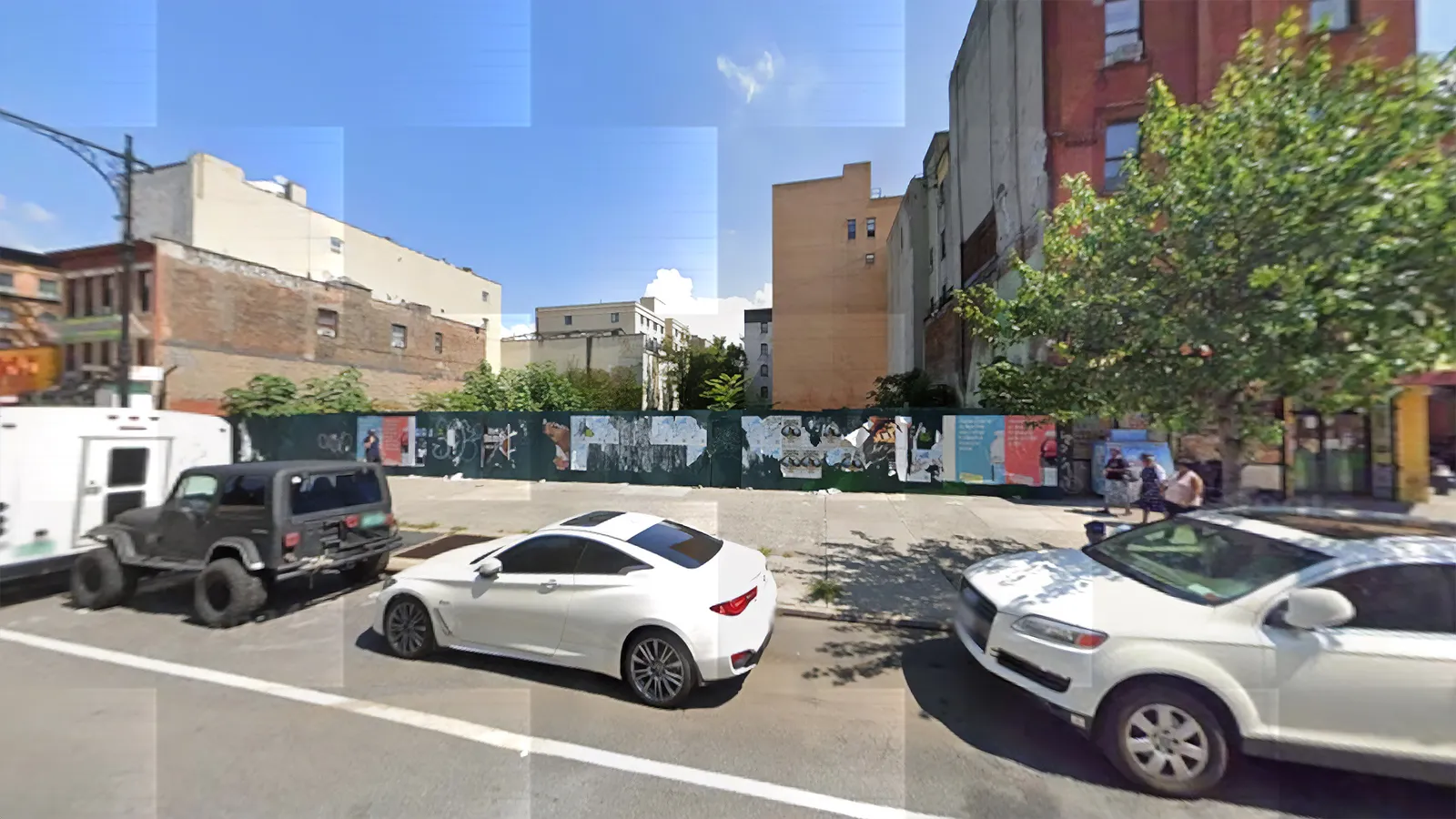
Plans have been filed for a 13-story mixed-use building at 2132 Frederick Douglass Boulevard, signaling another addition to Harlem’s active development pipeline. With the site already vacant, the project avoids demolition delays, potentially enabling a faster path to construction once approvals are secured. This reduces early-stage risk and improves execution timelines.
What the unit mix means for rental strategy
The building will include 88 residential units, averaging around 688 square feet, suggesting a rental-focused product. This unit sizing suggests a mix geared toward smaller households and renters seeking relatively more affordable options in Manhattan. Developments like this typically aim for high occupancy and steady cash flow rather than ultra-luxury pricing.
What the mixed-use component means for income diversification
The project will include over 4,000 square feet of ground-floor commercial space, adding a retail element to the residential building. While modest in scale, this space helps activate the street and provides an additional revenue stream. In dense neighborhoods like Harlem, even small retail footprints can enhance overall asset value and tenant convenience.
What the design and features mean for competitiveness
Designed by AKM Architects LLP, the building will include a rooftop terrace, penthouse level, and outdoor space in the rear yard. These features are increasingly standard in new multifamily developments, helping properties compete for tenants in a market where amenities play a key role in leasing decisions.
What the location means for demand
The site’s proximity to the B and C subway lines at 116th Street provides strong transit access, a major advantage for renters in Upper Manhattan. Transit-oriented locations like this tend to support consistent demand and long-term occupancy stability, especially for mid-market rental products.