

Apr 3, 2026
Jack Poll Files Plans For 99-Unit Residential Tower In Bronx’s Fordham
Traded Media

Traded Editorial
- Permits filed for 16-story residential building in Fordham
- Project to deliver 99 units across 162K square feet
- Transit-oriented site near multiple subway lines boosts appeal
What the permits mean for new development in the Bronx
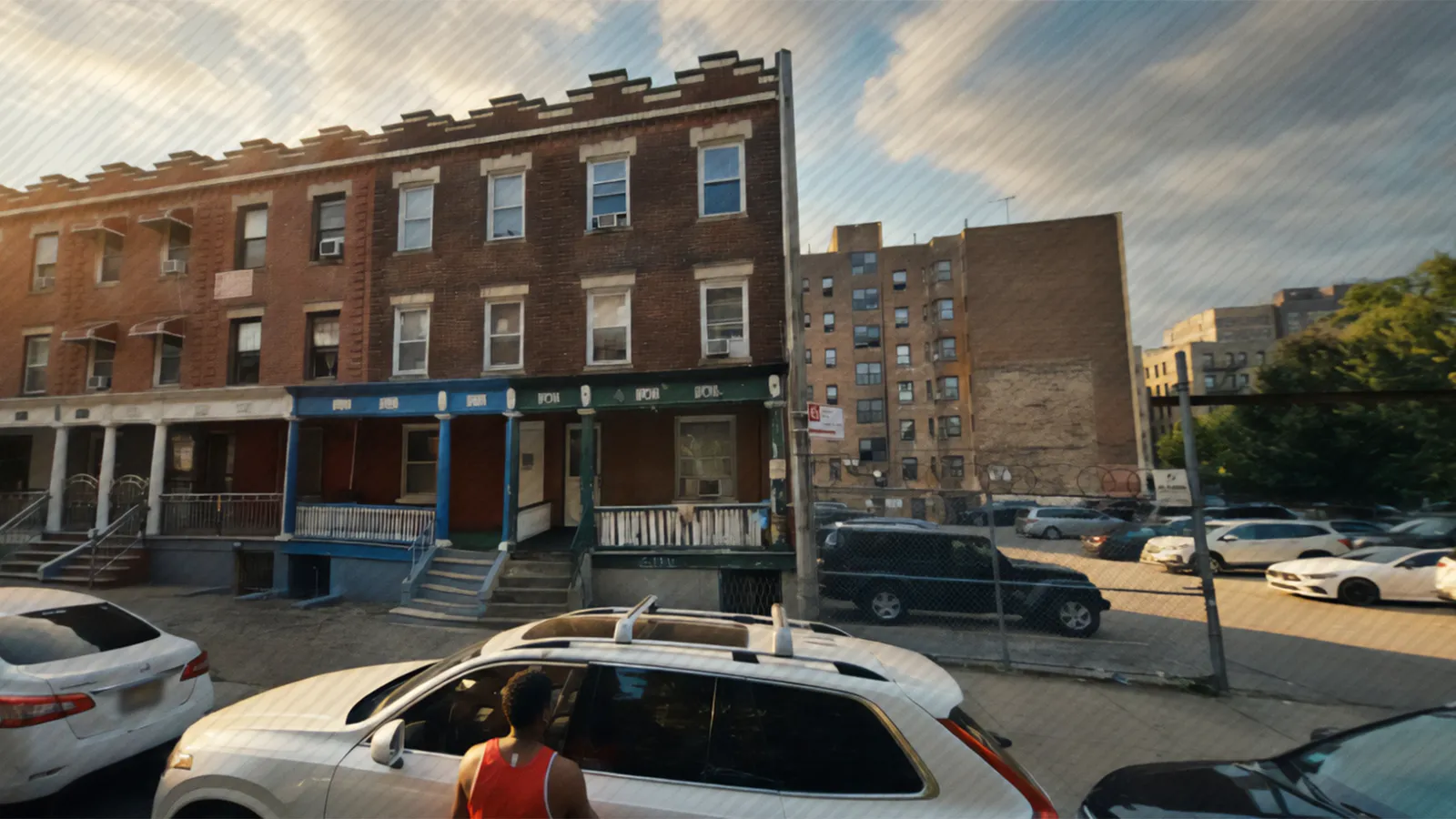
New permits have been filed for a 16-story residential building at 2640 Morris Avenue in the Fordham section of the Bronx, signaling continued multifamily development activity in the borough. The project is being led by Jack Poll, with plans calling for a 160-foot-tall structure. While demolition has not yet been filed, the permitting step marks early momentum toward a ground-up build. This filing reflects ongoing interest in adding rental housing across transit-rich Bronx neighborhoods.
What the project scale means for housing supply
The development is expected to deliver 99 residential units across roughly 162,000 square feet, with an average unit size of 664 square feet. This suggests a rental-focused building with smaller-unit layouts, which typically align with workforce housing demand in the area. Notably, the project will not include parking, allowing for more efficient use of space and lower development costs.
What the location means for tenant demand
The site sits between two major subway stations serving the B, D, and 4 lines, making it highly accessible for commuters. Transit-oriented developments like this continue to attract both developers and renters, especially in outer borough neighborhoods where connectivity is a major value driver. Fordham’s density and proximity to retail and employment hubs further support long-term demand.
What this means for developers and investors
This project highlights the continued push for mid-sized rental developments in New York’s outer boroughs. For developers, the Bronx offers relatively lower land costs compared to Manhattan and Brooklyn, while still benefiting from strong rental demand. For investors, assets in transit-oriented locations can deliver stable occupancy and long-term growth. As housing demand persists across New York City, projects like this will play a key role in expanding rental supply.