

Sep 26, 2025
Is Miami's Real Estate Bubble About to Burst?

Traded Editorial
Key Points
-
Miami scored 1.73, the highest globally, signaling high bubble risk due to price growth outpacing fundamentals.
-
Los Angeles ranks 4th worldwide with an elevated risk score of 1.11, largely driven by unsustainable price-to-rent ratios.
-
San Francisco (0.28) and New York (0.26) remain in low-risk territory, showing relative market stability.
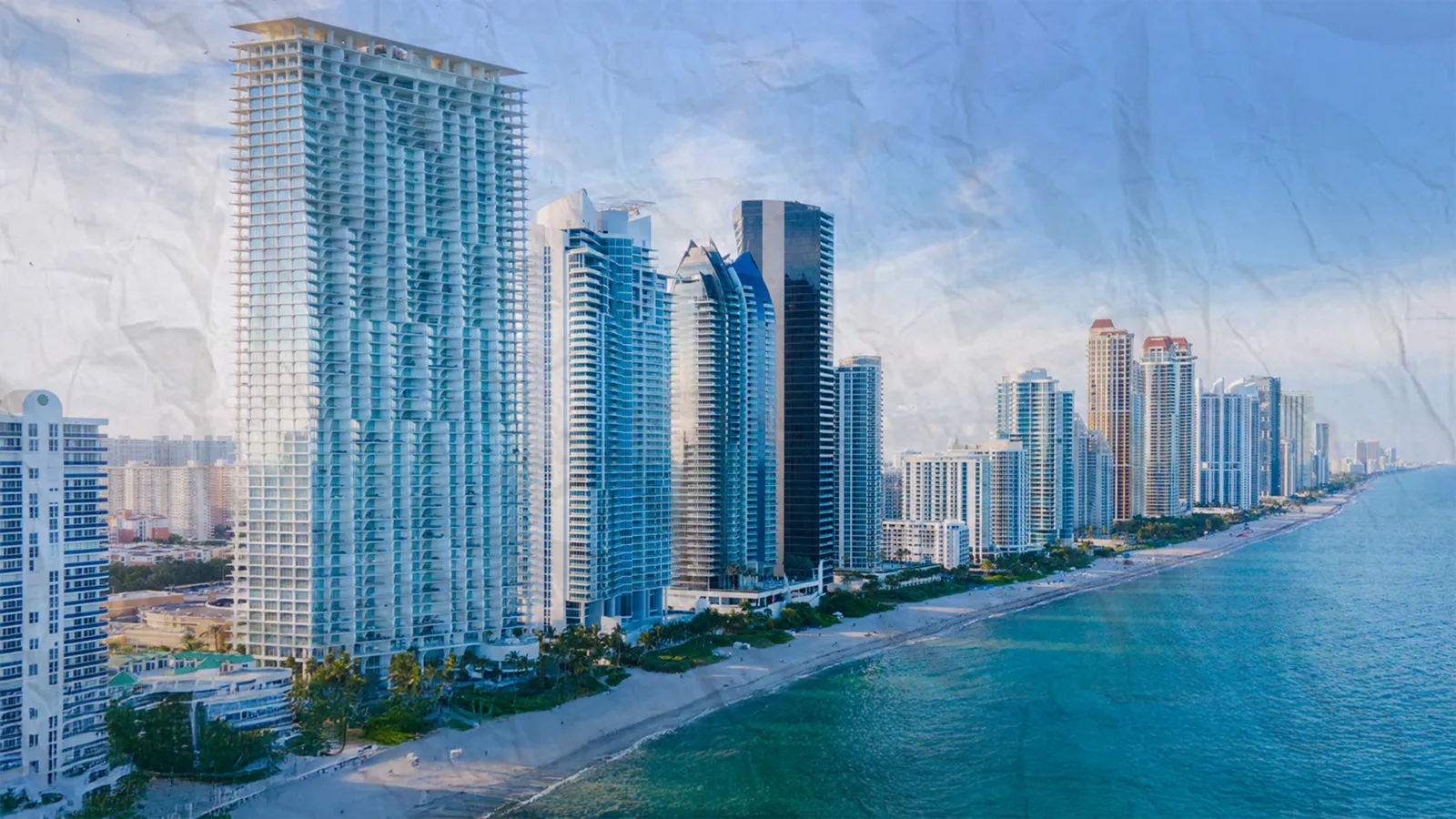
For the second year in a row, Miami leads UBS’s Global Real Estate Bubble Index, highlighting increasing vulnerabilities in the city’s housing market, as reported by Business Insider. While Los Angeles also shows signs of elevated risk, New York and San Francisco are faring better—at least for now.
Miami: Still the Riskiest Market in the World
Miami’s bubble risk remains the highest globally with a UBS score of 1.73. Though slightly lower than last year’s 1.79, the city continues to exhibit extreme price-to-income and price-to-rent ratios. Home prices remain significantly above the national average.
Over the past 15 years, Miami has posted the strongest inflation-adjusted home price growth among the 21 cities studied. While analysts expect home price growth to slow, a major correction appears unlikely due to continued migration from high-cost coastal markets and Florida’s favorable tax environment.
Los Angeles: Elevated Risk, Limited Affordability
Los Angeles landed in fourth place globally with a UBS score of 1.11. The city's elevated risk is driven by high home prices relative to rents, making homeownership increasingly out of reach.
UBS noted that affordability concerns are contributing to population decline. Unless mortgage rates decline significantly, further price drops in Los Angeles appear likely.
San Francisco: Low Risk, But Still Pricey
San Francisco ranked 17th with a UBS score of 0.28, keeping it in the low-risk category. Though still one of the most expensive cities for housing, home prices have lagged behind income growth over the past seven years.
Rental demand is rising due to strong hiring in tech and AI, as well as return-to-office mandates. These trends could support a renewed push for owner-occupied housing, helping to stabilize the market further.
New York: Stable but Competitive
New York City follows closely behind San Francisco with a UBS score of 0.26. A rebound in the luxury market, fueled by a strong stock market, has helped the city remain competitive.
The return of in-person work and steady job growth, especially in higher-income sectors, is driving increased demand for rental housing. Limited supply has kept pricing pressures in check, avoiding bubble territory.
Watch Closely
The UBS index suggests Miami and Los Angeles are markets to watch closely, with fundamentals diverging from pricing. Meanwhile, New York and San Francisco are showing signs of market health despite ongoing affordability concerns. Investors would do well to monitor shifts in migration, job growth, and interest rates to stay ahead of emerging risks.