

Feb 7, 2026
Inside South Florida’s Ultra-Luxury Market with Chad Carroll

Traded Editorial
In a region where real estate is as much about lifestyle as it is about property, few names carry as much weight as Chad Carroll. As the founder of The Carroll Group at Compass, Carroll has carved out a commanding presence in South Florida’s ultra-luxury market—closing more than $9 billion in career sales and over $1.1 billion in 2025 alone.
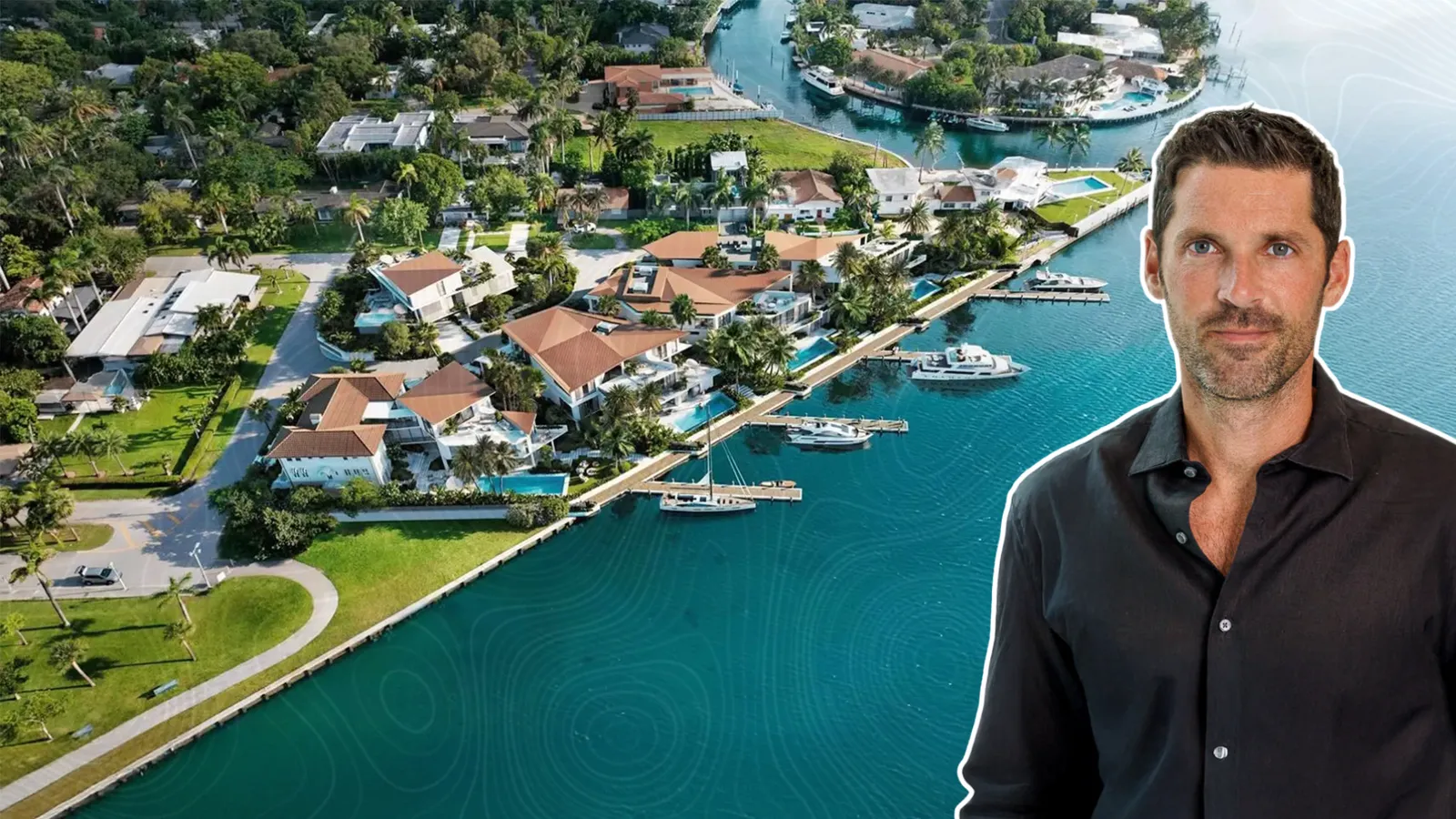
But his approach goes far beyond the numbers. For Carroll, the true differentiator lies in how clients experience the market. “You can’t sell the South Florida lifestyle from behind a desk,” he says. “You’ve got to live it—and show it.” That’s why many of his showings begin not in a foyer, but on the water.
Selling Lifestyle, Not Just Real Estate
What sets South Florida apart, Carroll explains, isn’t just its warm weather or ocean views—it’s the full spectrum of experiences that come with living here. From tax advantages and luxury dining to waterfront architecture and year-round boating, the market offers a depth of lifestyle that’s hard to match.
“The view from a dock, the privacy from the water, the way the sun hits the house at 4 p.m.—those are the things buyers are investing in,” he says. In fact, many of his most successful showings involve touring homes by boat, giving clients a first-hand sense of what their life might look like in South Florida.
Over the last decade, Carroll has witnessed a transformation. What was once seen as a seasonal destination has now evolved into a year-round, globally recognized hub for luxury living, investment, and enterprise. Increasingly, his clients aren’t just snowbirds—they’re anchoring their lives and businesses here.
A New Breed of Luxury Buyer
According to Carroll, the profile of the ultra-luxury buyer has shifted dramatically over the last 5 to 10 years. “Today’s clients are smarter, more global, and more intentional,” he says. “They come in with teams of advisors, access to data, and very specific expectations.”
Gone are the days when a pool and a view were enough to impress. Buyers now demand personalization and exclusivity at every turn. “Wellness isn’t a luxury anymore—it’s a baseline,” he notes. Developers are responding with custom estates, buildable lots, and private spa amenities as standard offerings. Flexibility, privacy, and design control have become paramount.
“People want homes that reflect how they live. Whether it’s combining lots, building guest houses, or adding full wellness wings, it’s about creating a fully bespoke experience,” says Carroll.
Mastering the Psychology of the Deal
When the price tags stretch into eight figures and beyond, negotiation becomes an art form. “It’s 90% psychological,” Carroll says. “You have to know the motivations, the personalities, and how to align interests without letting egos derail the deal.”
That approach extends to his listing strategy. He’s adamant about honest pricing and realistic positioning. “You have to believe in the product. If seller expectations aren’t aligned from day one, the process gets messy fast,” he warns.
In Carroll’s world, a successful sale is a partnership, built on trust and constant communication. At this level, he says, “managing expectations is the most complicated—and most important—part of the job.”
Market Insights from the Top
Despite headlines about slowed transaction volume, Carroll sees a different reality in the ultra-luxury segment. His team’s average deal size has climbed to $10–11 million, and agents are reporting year-over-year gains of over 30%.
“There’s a clear bifurcation,” he explains. “While some segments are softening, demand at the very top remains strong. Global buyers are still chasing trophy properties—and there just aren’t enough of them.”
With limited inventory and increasing international demand, Carroll expects the ultra-luxury tier to stay resilient over the next 12 to 24 months, even as broader market activity stabilizes.
Built for the Long Game
Carroll’s rise began at a time when many others were leaving the industry. He entered real estate during the financial crisis—drawn by the opportunity to shape his own future. From the start, he operated with what he calls “relentless drive,” reinvesting early commissions, refining his systems, and positioning himself as an around-the-clock resource.
That early discipline has paid off in compound momentum. Today, The Carroll Group isn’t just a top-producing team—it’s a brand built on consistency, reputation, and results.
“I never wanted to be the agent who did it for a few years and burned out,” he says. “This is a long game. And we’re just getting started.”