

Oct 30, 2025
Hollywood Hilltop Icon Yamashiro Lands in Downtown Miami — Major Hospitality Win for Gale Hotel
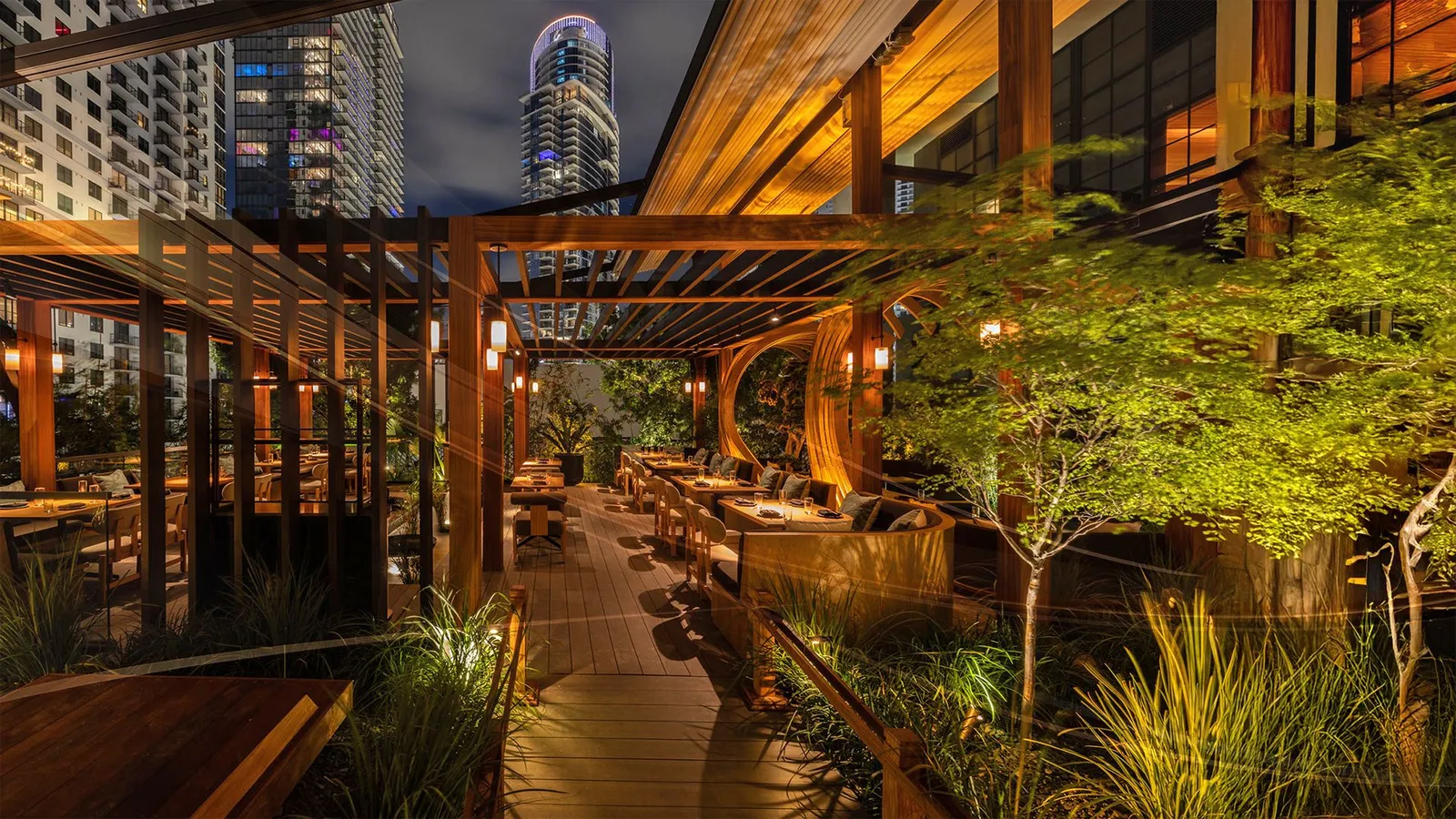
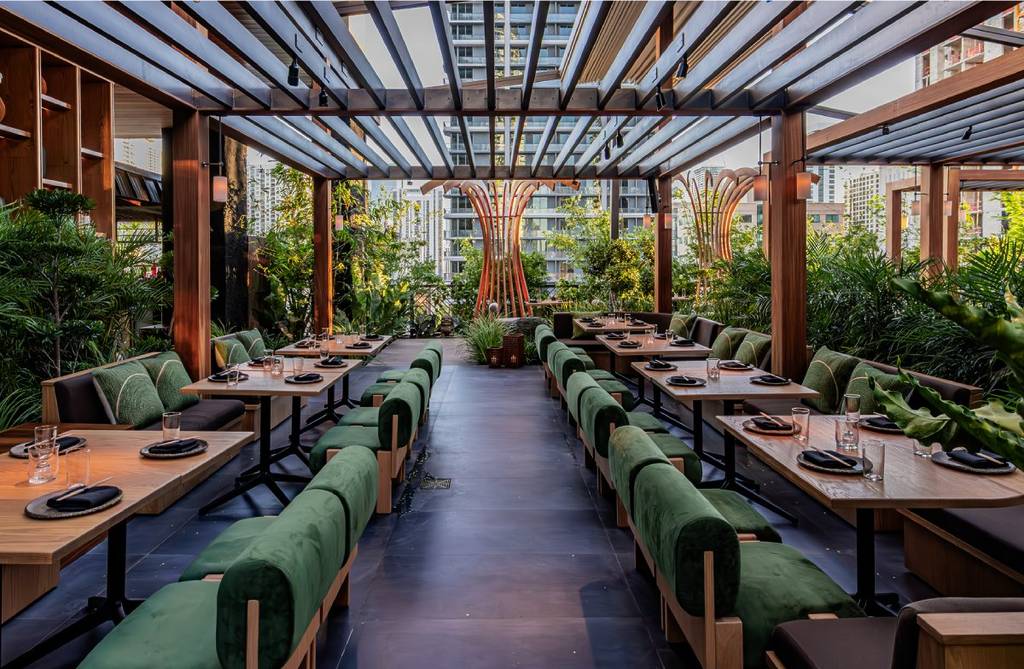
The legendary L.A. brand Yamashiro opens its first ever location outside California on October 29, 2025, atop the Gale Miami Hotel & Residences in Downtown Miami. The rooftop venue spans around 9,000 sq ft with panoramic…
Traded Media

Traded Editorial
The iconic L.A. institution Yamashiro is making its East Coast move. After more than a century in Hollywood’s hills, Yamashiro is launching its first out-of-state location — a rooftop destination atop the Gale Miami Hotel & Residences near Miami Worldcenter. This signals a meaningful shift: a historic brand aligning itself with Miami’s growth trajectory in lifestyle, luxury, and hospitality. Below, we break down why this matters for hotel investors, landlords, and commercial brokers, and how the deal stacks up in the changing Miami hospitality landscape.
Expansion of a Legacy Brand
-
The original Yamashiro opened in 1914 in the Hollywood Hills and is now listed on the National Register of Historic Places.
-
Boulevard Hospitality Group is behind the Miami rollout, with Chef Charbel Hayek and Executive Chef Gustavo Montes leading the concept.
-
Miami was selected due to its “culture, creativity, and bold flavor” overlap with Los Angeles — the operator’s strategy clearly values lifestyle synergy over basic footprint growth.
Strategic Location & Hotel Synergies
-
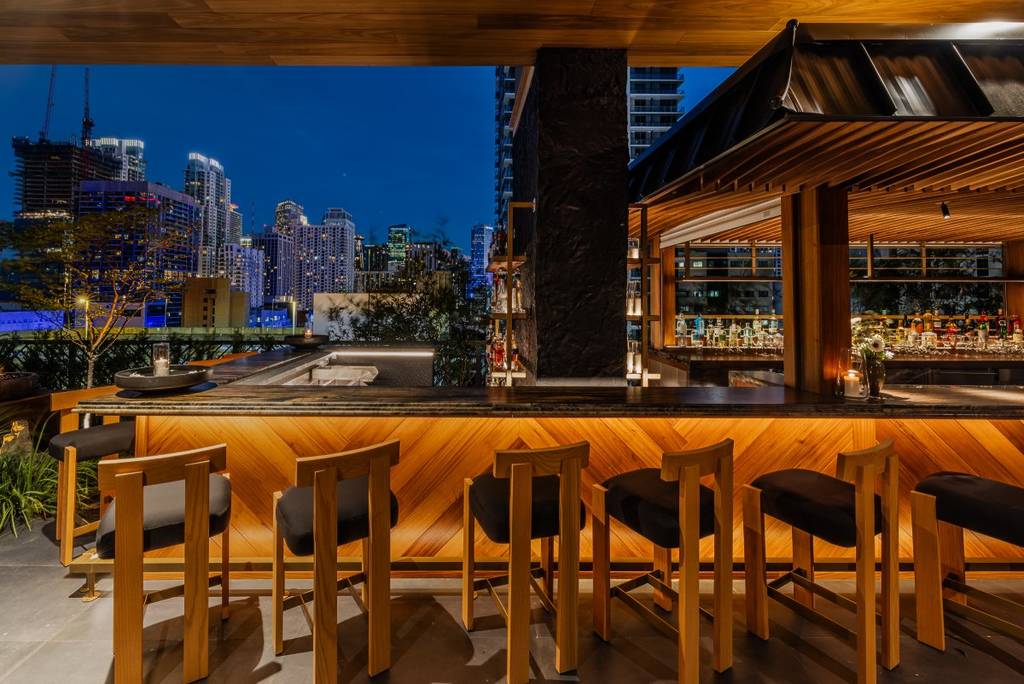
The Gale Miami Hotel & Residences is a hybrid asset: hotel + luxury residences + premium F&B amenity. The addition of Yamashiro strengthens building-wide appeal for both guests and residents.
-
A rooftop 9th-floor venue with skyline and bay views gives the property a marquee destination within Downtown Miami, which should drive F&B revenue, foot traffic, and ancillary spend.
-
This opening joins the trend of hotels layering resort-style experiences (high-end dining + nightlife) to capture lifestyle consumers and not just overnight stays.

Hospitality & Real-Estate Insight
-
For brokers and landlords: The Yamashiro brand anchor elevates the hotel’s leasing and operator positioning, potentially increasing NOI and occupancy.
-
From a CRE investor's view: The brand expansion signals confidence in Miami’s high-end leisure market. As flagship concepts migrate out of legacy markets, they validate metro-level growth.
-
For retail real estate around downtown Miami: Destination F&B anchors like this can increase foot traffic, enhance land value, and accelerate district activation — important if you’re holding or leasing out property in the area.
-
Something to watch: The cost structure and cap rate for such branded F&B fit-outs are large. Tenant improvements, brand prestige, and revenue sharing will all factor into landlord/operator negotiations.

This move by Yamashiro isn’t just a restaurant expansion; it’s a strategic lifestyle activation for the Gale Miami asset and a signal that high-end hospitality brands view Miami as a serious growth hub. Landlords in the district now have a powerful draw to elevate their leasing pitch. For hotel investors and brokers, the opening underscores the importance of experience-driven amenities and brand-led food & beverage assets in today’s market.