

Feb 20, 2026
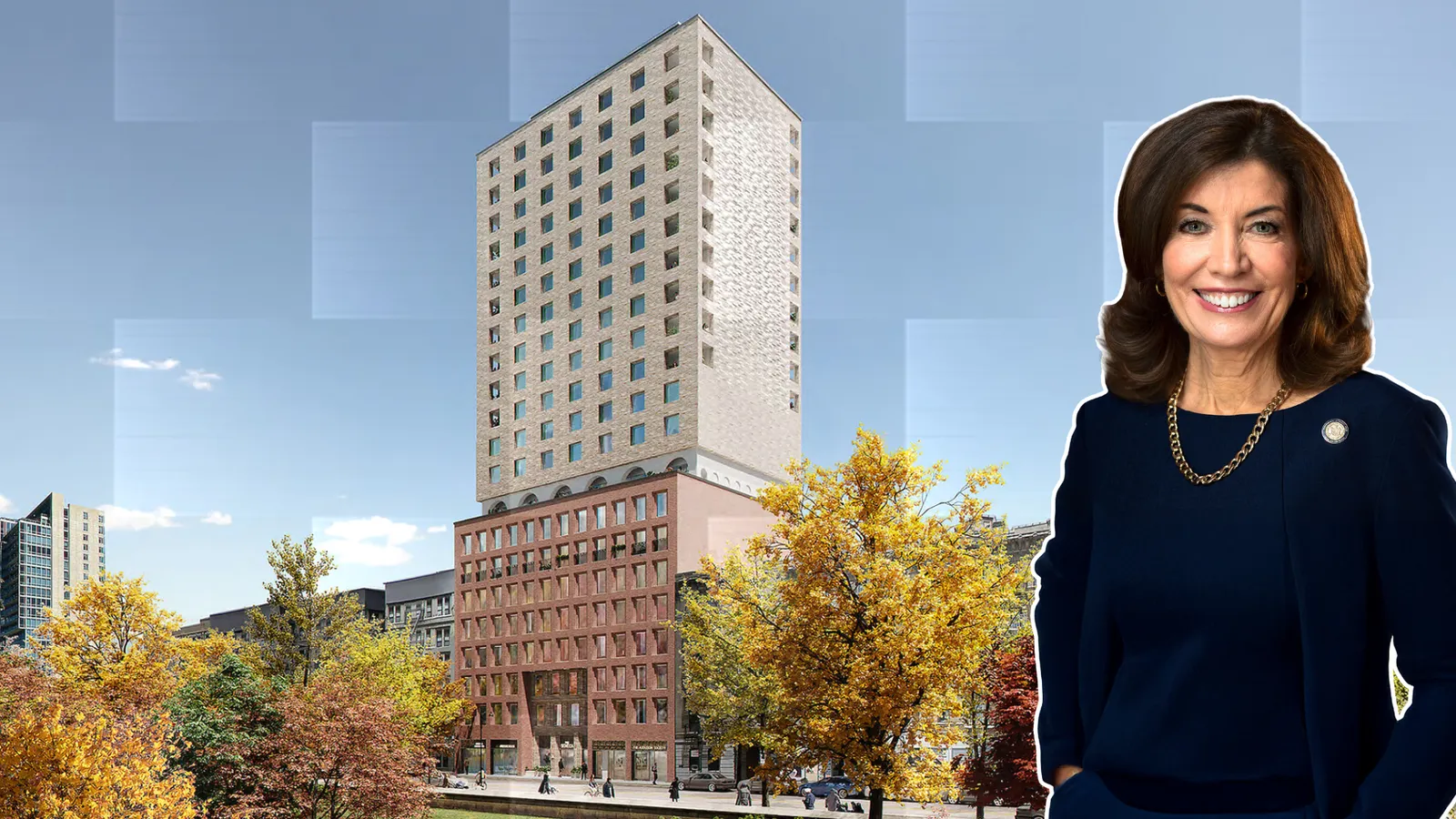
Hochul Backs $28M to Convert Former Harlem Prison Into 105-Unit Affordable Condo Project
Traded Media

Traded Editorial
Key Points:
- New York State approves $28 million to redevelop the former Lincoln Correctional Facility
- 22-story mixed-use project will deliver 105 income-restricted ownership units
- Part of a broader $100 million Harlem investment initiative
From Correctional Facility to 22 Story Residential Tower
The Lincoln Correctional Facility closed permanently in 2019. In 2023, Empire State Development issued an RFP to redevelop the state-owned property, selecting a team led by Infinite Horizons, L+M Development Partners, Urbane Development, and Lemor Development Group.
The approved plan replaces the existing structure with a 22-story mixed-use building featuring:
• 105 income-restricted condominium units
• Up to 7,626 square feet of ground-floor community space
• Cultural programming areas, a library, and an event space
Construction is expected to begin once financing closes, with completion projected for 2028.
Affordable Ownership Model Shifts the Strategy
Unlike many affordable housing projects that focus on rentals, Seneca will offer units for purchase. One to three-bedroom condos will be available to households earning as low as 40 percent of the area median income, significantly below the originally proposed 80 percent threshold. Nearly one-third of the units will be reserved for households earning no more than 60 percent of the area median income. For investors, this ownership model is notable. Affordable housing for sale remains less common than rental product, particularly in Manhattan. It signals a policy push toward wealth building and long-term neighborhood stabilization rather than short-term tenancy.
State Land as a Development Lever
The $28 million allocation is part of a broader $100 million state investment targeting Harlem. By repurposing state-owned land, New York reduces acquisition costs, one of the largest barriers to development in Manhattan. Public land conversions like this can significantly improve project feasibility, especially when layered with public financing and income restrictions. For developers, the takeaway is clear. Government-controlled sites represent one of the few remaining scalable pipelines for new housing in dense urban cores.
Bigger Picture for Manhattan Development
Harlem continues to see selective reinvestment despite broader uncertainty in the New York City office and multifamily markets. Converting obsolete or underused properties into housing remains a central strategy to address supply shortages. While 105 units will not solve the city’s housing gap, the symbolic shift from correctional use to residential development reinforces the state’s aggressive posture on adaptive reuse.
Bottom Line
New York’s approval of $28 million in funding clears a major hurdle for the Seneca project and advances a high-profile adaptive reuse in Harlem. For landlords and developers, this signals continued political momentum behind public land redevelopment and affordable housing expansion in Manhattan. Expect more state-backed repositionings of dormant assets as Albany searches for scalable housing solutions.