

Mar 19, 2026
Griffin Taylor Converts Greenpoint Warehouse Into Basketball Training Facility
Traded Media

Traded Editorial
- Griffin Taylor and Jared Effron open 12,500 SF training facility in Brooklyn
- Project backed by Carmelo Anthony and Sue Bird
- Adaptive reuse of warehouse into sports and community-driven space
What this adaptive reuse means for Brooklyn development
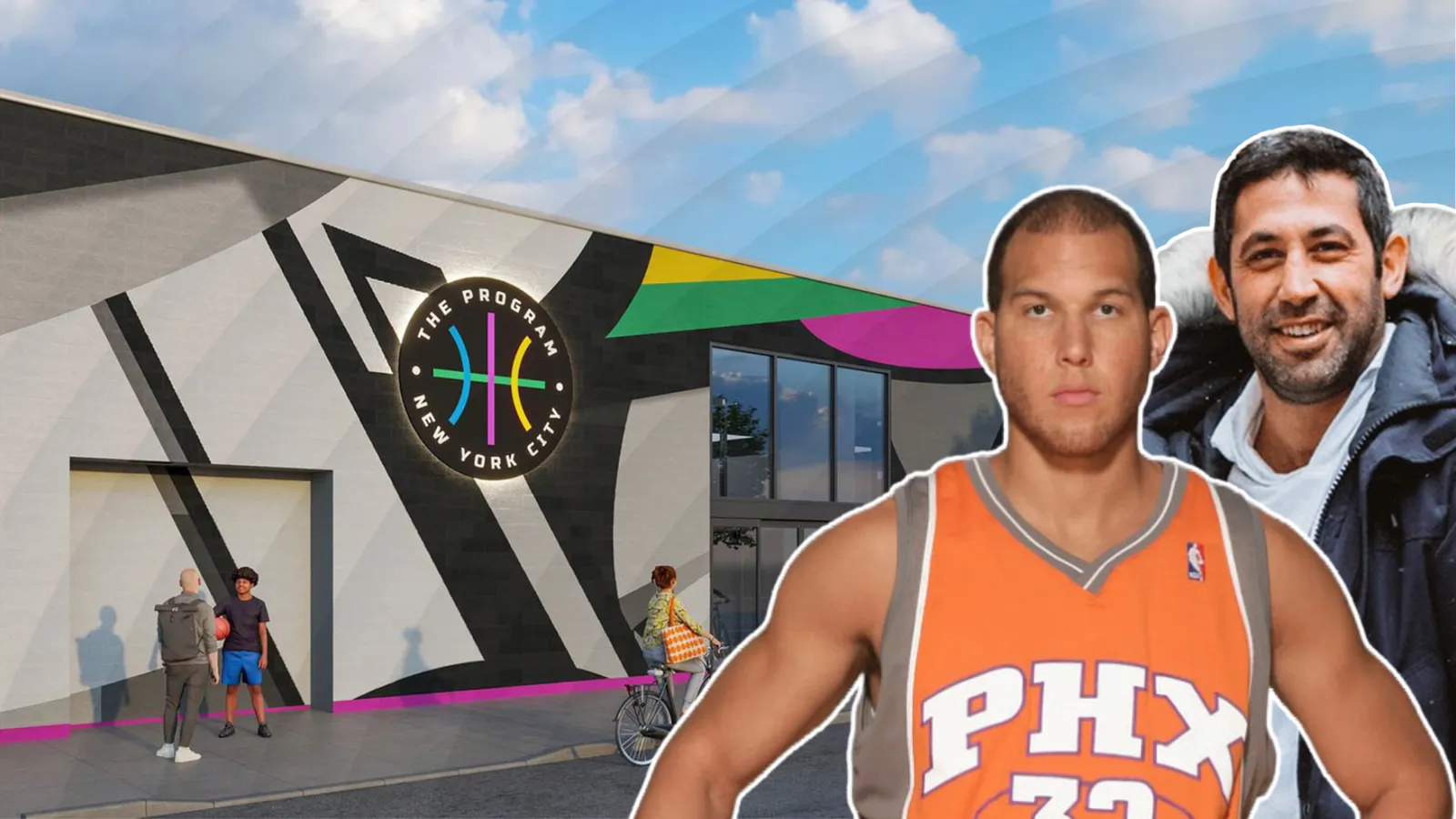
A former warehouse at 255 Java Street in Greenpoint has been transformed into The Program, a basketball training facility targeting youth and adult athletes. The 12,500-square-foot conversion highlights continued demand for adaptive reuse projects in Brooklyn, where older industrial assets are being repositioned into experiential and community-focused spaces.

What the concept means for experiential real estate
The facility is designed as a full-service training hub, featuring a full court, half-court, weight room, recovery space, and small retail component. This type of experiential use reflects a growing trend where landlords and developers are prioritizing activity-based tenants that drive consistent foot traffic and engagement rather than traditional office or storage uses.

What tenant backing means for long-term viability
The project is supported by high-profile investors, including Carmelo Anthony, Sue Bird, and Chris Mullin, adding credibility and visibility. For landlords, tenants with strong branding and community ties can enhance asset value and create destination-type properties that attract repeat visitors.
What does design and buildout mean for the repositioning strategy
The project was designed by Spectorgroup, which helped identify and convert the space into a professional-grade facility. Instead of ground-up development, the team chose to reuse an existing structure, reducing costs and accelerating delivery. This approach is increasingly attractive in markets where construction costs and zoning challenges remain high.
What this signals for urban infill trends
The Program reflects a broader shift in cities like New York, where underutilized industrial buildings are being repurposed into community, fitness, and entertainment uses. For investors, adaptive reuse offers a way to unlock value in older assets while meeting demand for experience-driven real estate. As consumer preferences evolve, these types of projects are becoming a key part of urban redevelopment strategies.