

Jun 24, 2025
Gov. Hochul’s Nuclear Pivot Could Reshape NY’s CRE Landscape
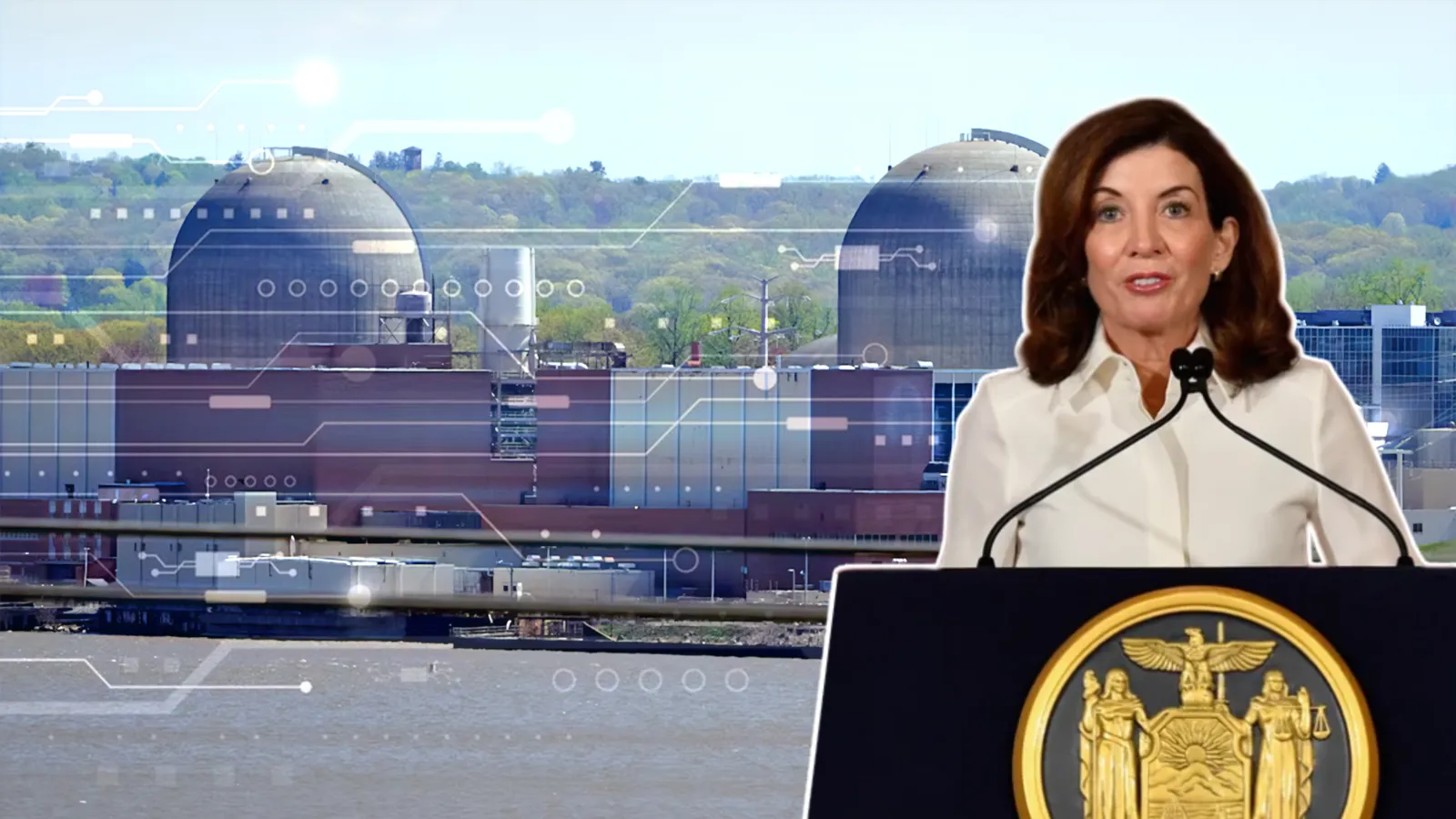
Governor Kathy Hochul has proposed the construction of New York's first new nuclear power facility in decades, reshaping the energy landscape.

Traded Editorial
Key Points:
📡 Governor Kathy Hochul has proposed the construction of New York's first new nuclear power facility in decades, reshaping the energy landscape.
🔌 This initiative follows the controversial cessation of operations at the Indian Point plant, which previously generated a significant portion of New York City's electricity.
📈 The return of nuclear power could greatly influence the commercial real estate market, particularly in sectors reliant on energy.
The recent announcement by New York's governor signals a pivotal change in the state's energy trajectory, with the introduction of a new nuclear power plant set to address pressing concerns over energy stability and cost. This development has the potential to reshape the dynamics within the commercial real estate landscape.
Addressing Energy Demands
In light of increasing energy demands and the recent shutdown of the Indian Point nuclear facility, the state seems to be taking proactive steps. The reactor at Indian Point was responsible for supplying a substantial share of electricity to New York City. Its closure has subsequently led to fluctuations in energy reliability and costs, prompting concerns among developers and investors, particularly in sectors like data centers, life sciences, and large-scale residential complexes.
Impact on Commercial Real Estate
The commercial real estate sector in New York is navigating the challenges posed by escalating energy expenses amidst stringent carbon-reduction laws. The deployment of nuclear energy, known for its capacity to generate consistent and carbon-free electricity, might offer a solution. This shift could stabilize energy rates and support achievement of the state's climate objectives by 2030 without straining existing energy resources.
The unpredictable nature of energy pricing continues to create headaches for major landlords, especially as they manage necessary retrofits to meet decarbonization standards and cope with rising insurance costs.
Areas of Influence in Real Estate
For various sectors within real estate, the implications of returning to nuclear energy can be significant. Data centers and industrial operations stand to benefit from the reliability of nuclear power to serve their continuous energy needs. This could spur interest in locations upstate near the developing nuclear facilities.
Multifamily housing developers may also find an advantage due to reduced energy costs, which foster rent stability amidst tightening emissions regulations. Furthermore, institutional investors may experience decreased risk premiums tied to ESG criteria as energy reliability increases, enhancing the attractiveness of New York portfolios. Meanwhile, office landlords may need to consider long-term energy predictability as more tenants prioritize sustainability in their leasing choices.
Future Prospects and Opportunities
Governor Hochul’s initiative entrusts the New York Power Authority to move forward with the construction, although the specific location remains unannounced. Speculation suggests that sites in upstate industrial regions with current energy infrastructure could become prime candidates for development as interest grows in energy production capabilities.
After a long stretch of regulatory barriers, the resurgence of nuclear energy at both state and federal levels is evident. The current administration seems keen on hastening the approval processes for next-generation nuclear options, thereby bypassing some other renewable energy approvals. This shift in focus may channel federal resources towards establishing robust, long-lasting energy solutions.
A Vision for Sustainable Energy
The introduction of a new nuclear power facility represents a forward-thinking approach to New York's energy requirements. By investing in reliable energy sources, the state aims to ensure a sustainable future conducive to growth in various sectors of real estate. The potential long-term benefits include cleaner air and more controlled energy expenses that align with development goals. The resurgence of nuclear energy not only reflects a strategic response to immediate energy needs but also a commitment to long-term environmental and economic health.