

Feb 23, 2026
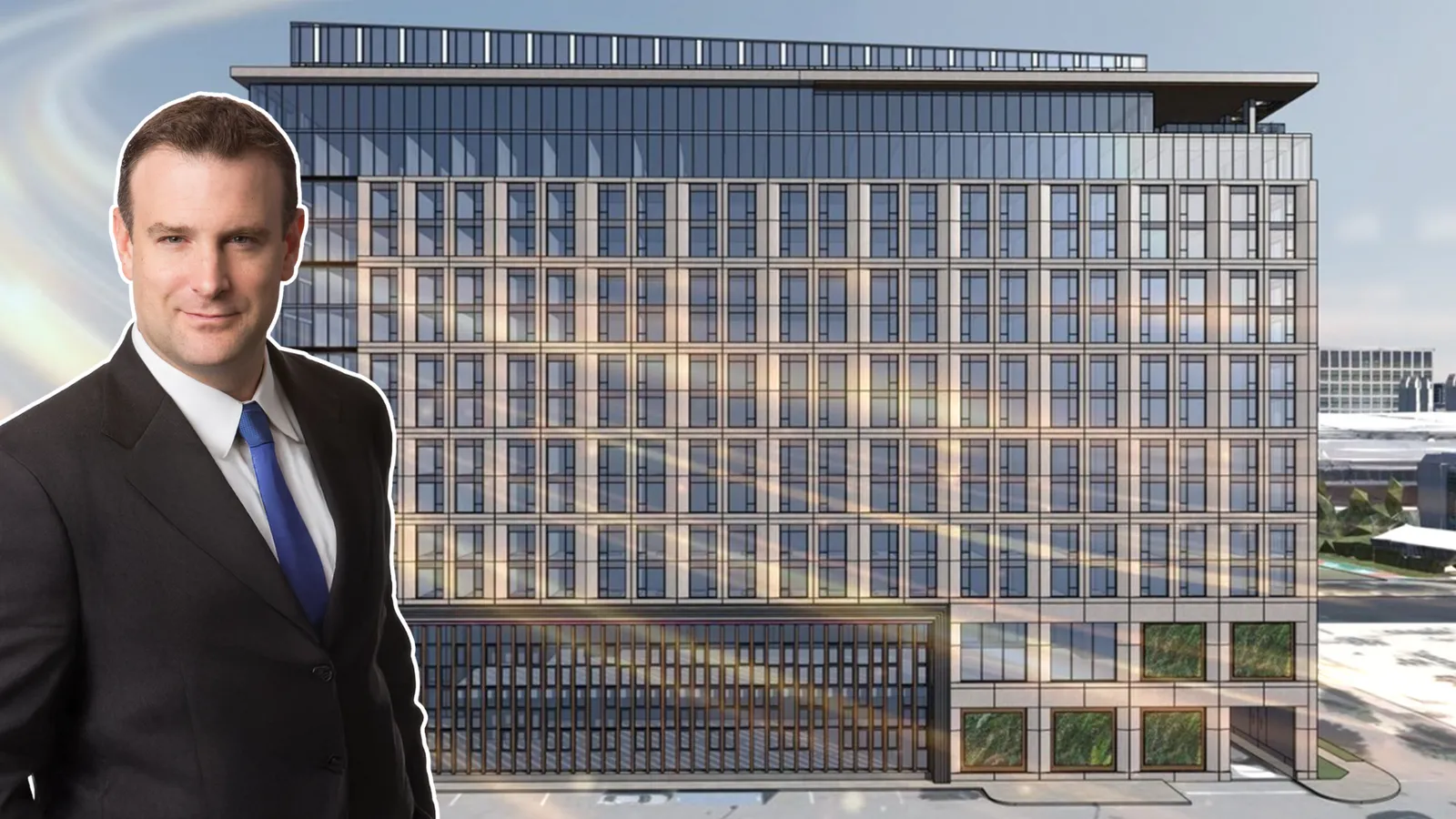
GHIG JV Secures Approval for 438-Key All-Electric Hotel in Boston Seaport Under MCCA Ground Lease
Traded Media

Traded Editorial
Key Points
- Global Hospitality Investment Group JV wins approval for a 438-room all-electric hotel in Boston’s Seaport
- Project expands a 968-key mixed-use campus under long term ground lease with the MCCA
- Designed to meet LEED Gold, adding 160K SF and rooftop amenities across from the Convention Center
A Major Hospitality Expansion in Boston’s Seaport
A joint venture between Global Hospitality Investment Group and a global investment management firm has secured zoning approval for a new all-electric hotel on Anchor Street in Boston’s Seaport District. The project sits directly across from the Thomas M. Menino Convention and Exhibition Center and will be developed under a long-term land lease with the Massachusetts Convention Center Authority. The Boston Zoning Commission approved the development following a unanimous vote by the Boston Planning Department board. For investors, this signals continued institutional confidence in Boston’s convention-driven hospitality market.
Final Phase of a 968 Key Campus
The hotel marks the final phase of a three-property campus that began in 2016. Once completed, the combined development will total 968 guestrooms across three hotel brands.
The new phase alone will deliver:
- 438 guestrooms
- Approximately 160,000 square feet of space
- A landscaped entry plaza along Anchor Street
- An indoor outdoor lobby bar
- A rooftop amenity space
The campus already includes the Aloft Boston Seaport District and Element Boston Seaport District, along with roughly 18,000 square feet of retail along D Street. This integrated model blends hospitality and active ground-floor uses, reinforcing the Seaport’s live-work-stay dynamic.
Why This Matters for Hospitality Investors
Boston’s Seaport remains one of the city’s strongest growth corridors, fueled by convention traffic, corporate demand, and steady tourism. Adding 438 rooms adjacent to the Convention Center strengthens the district’s capacity to support future convention expansion plans. Developers are clearly betting on sustained demand from both large-scale events and lifestyle travelers. The all-electric design targeting LEED Gold certification also aligns with institutional ESG mandates. Sustainability is increasingly a requirement for capital partners, especially in urban gateway markets.
The Bigger Investment Picture
The project earned broad support from neighborhood stakeholders, labor groups, and hospitality advocates during the permitting process. That reduces entitlement friction and political risk. From a landlord and capital markets perspective, this deal reflects three key trends:
Ground lease structures tied to public authorities, Campus style mixed use hospitality clustering Electrified, resilient building design as a long term value driver. Boston’s tourism and convention sector has remained resilient relative to many U.S. cities. With Seaport vacancy tightening and supply largely absorbed, this expansion positions GHIG’s JV to capture incremental room demand. If convention center expansion advances as anticipated, the timing could prove strategic. For hospitality investors tracking institutional-grade urban assets, this approval reinforces Boston Seaport as a core, long-term hold market with durable demand drivers.