

Feb 12, 2026
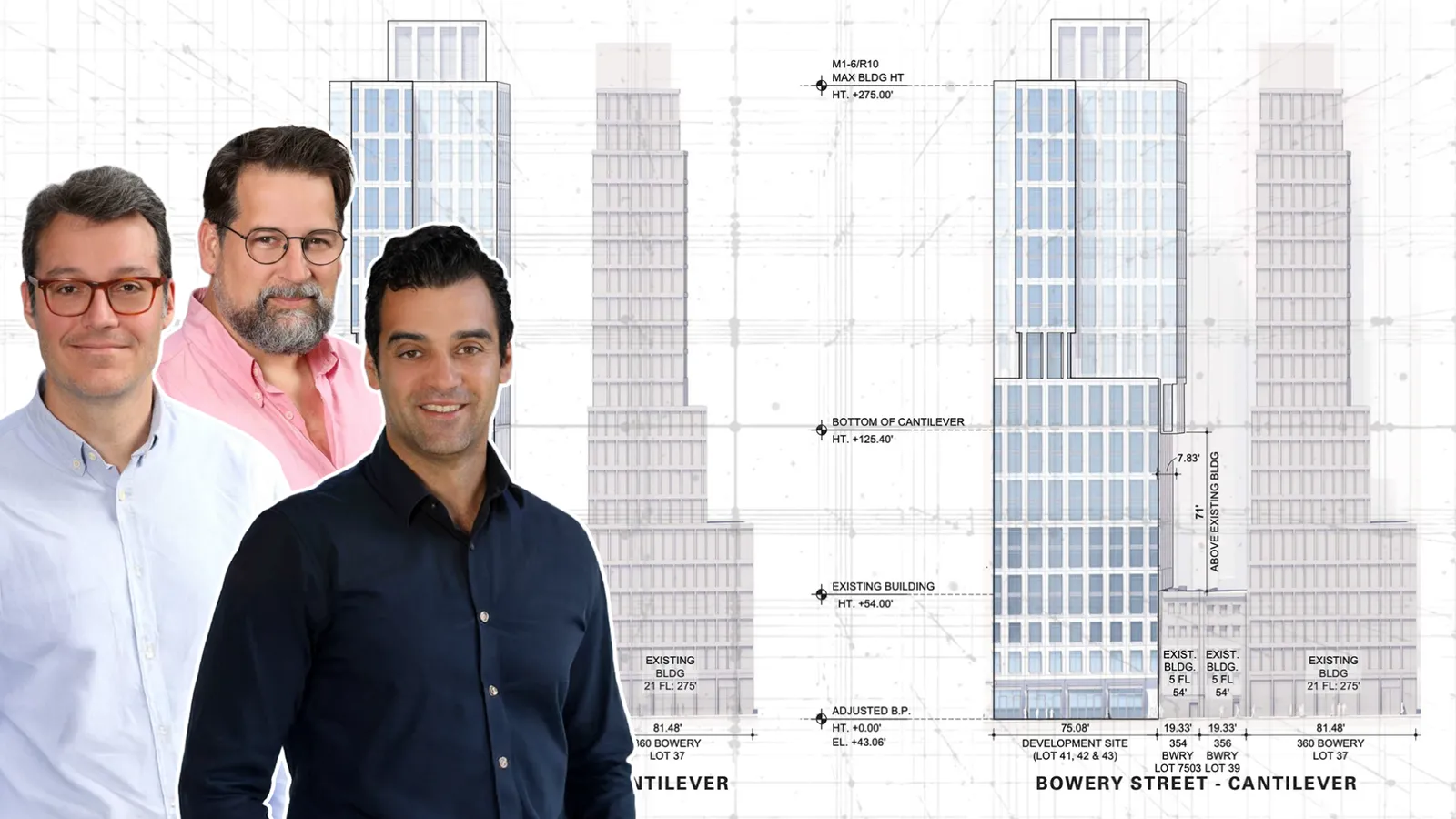
Fogarty Finger And Lonicera Partners Propose 25-Story Project At 56 Great Jones Street In Noho Manhattan
Renderings reveal 56 Great Jones Street, a proposed 25-story project from Fogarty Finger and Lonicera Partners in Noho, Manhattan.
Traded Media

Traded Editorial
Key Points:
- Construction plays a central role in economic growth, urban expansion, and overall societal development.
- Modern building techniques are reshaping how projects are delivered, improving efficiency, cost control, and structural performance.
- Innovation is driving smarter infrastructure, higher asset value, and long-term sustainability.
- The future of construction depends on technology, resilience, and environmentally responsible design.
Evolution of Construction Technology
Construction has evolved from purely manual labor to a technology-driven industry powered by automation, digital modeling, and advanced machinery. Early breakthroughs in heavy equipment increased scale and speed, but today’s transformation is digital. Building Information Modeling allows teams to design, simulate, and coordinate projects before construction begins. This reduces delays, limits costly revisions, and improves collaboration between developers, engineers, and contractors. Drones, AI-powered scheduling tools, and data analytics now enhance on-site monitoring and risk management, creating greater predictability for investors.
Modern Building Practices
Today’s construction methods emphasize precision and efficiency. Modular construction and prefabrication allow major components to be built off-site and assembled quickly, cutting timelines and reducing labor dependency. Smart materials such as energy-efficient glass and advanced concrete mixtures extend building lifespan and lower maintenance costs. Meanwhile, integrated energy systems, including solar panels and smart HVAC controls, are becoming standard features rather than premium upgrades. These practices not only accelerate delivery but also strengthen long-term operational performance.
Significance of Innovation
Innovation in construction directly impacts financial performance. More accurate forecasting tools improve budgeting and reduce risk exposure. Digital tracking systems allow real-time cost control, minimizing waste and improving margins. Smart infrastructure also enhances tenant experience. Buildings equipped with IoT systems can optimize lighting, temperature, and energy usage automatically. This leads to lower operating expenses and higher market competitiveness. For developers and property owners, innovation is no longer optional. It is a strategic advantage.
Building a Sustainable Future
Sustainability is shaping the next era of construction. Developers are increasingly adopting low-carbon materials, energy-efficient systems, and water conservation technologies to meet environmental standards and tenant expectations. Net-zero energy buildings, adaptive reuse strategies, and circular construction practices are redefining how infrastructure supports both economic growth and environmental responsibility. As cities expand and climate challenges intensify, the industry’s ability to innovate will determine how effectively it builds resilient, efficient, and future-ready communities.