

Jan 24, 2026
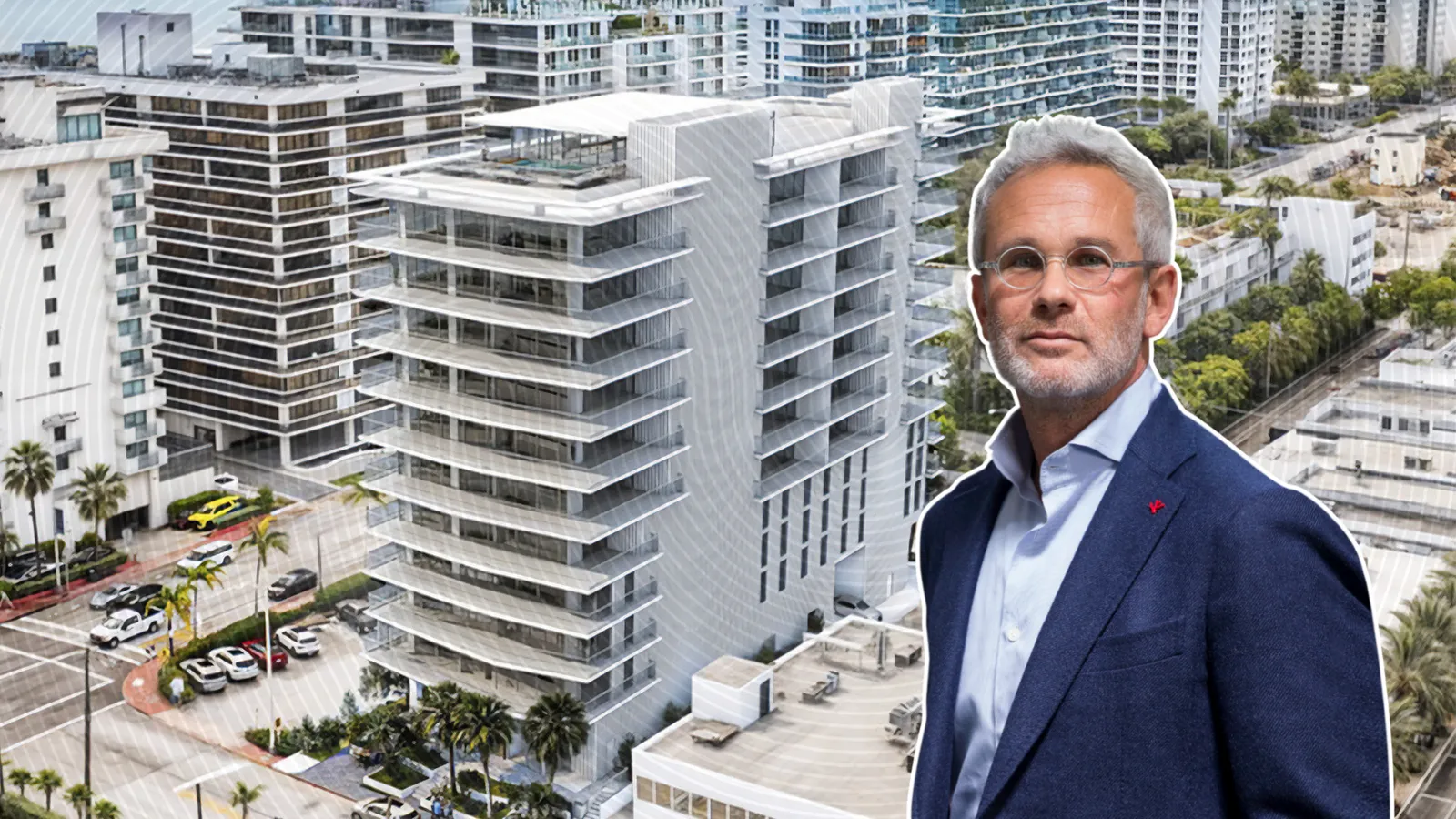
Florida Postal Holdings Proposes ‘Ocean Walk’ With Workforce Housing at Former Surfside Post Office
Traded Media

Traded Editorial
Key Points
- 11-story mixed-use project proposed at 250 95th St. in Surfside, Florida
- 22 residential units and 11 hotel rooms, including nine workforce housing units
- Would be Surfside’s first project approved under Florida’s Live Local Act
Project Overview at 250 95th Street
Ocean Walk is planned as an approximately 80,000 square foot building on a 0.33-acre site previously occupied by an 8,000 square foot post office that closed in early 2025.
The proposal includes 22 residential units split between workforce housing and luxury condos, along with 11 hotel rooms. The residential component would include nine workforce units, consisting of seven studios and two one-bedroom apartments located on the second floor. The remaining 13 residences would be four-bedroom luxury condominiums, clearly positioning the project at the high end of the Surfside market. The hotel component would feature three standard rooms and eight suites on the third floor, with hotel amenities located one level above.
Amenities and Design
Residential amenities are designed to compete with newer South Florida products, even on a relatively small footprint. Plans call for a swimming pool, pickleball court, fitness center, and recreational space, blending lifestyle-driven features with a boutique scale. The project is designed by Plus LLC, an architecture firm based in Parkland, Florida.
Why the Live Local Act Matters Here
Ocean Walk is particularly notable because it would be Surfside’s first project approved under Florida’s Live Local Act, a state law aimed at accelerating housing production by offering density and zoning incentives in exchange for workforce housing. Under the statute, developments can qualify for incentives if at least 40 percent of residential units are designated for households earning up to 120 percent of area median income. In Surfside, where the median household income is roughly $96,000, this creates a clear pathway for developers to unlock scale in markets that historically resisted multifamily density. For landlords and investors, this is a key signal. Even affluent, low supply coastal municipalities are beginning to bend under statewide housing pressure.
A Strategic Play in a Supply Constrained Market
Surfside remains one of Miami-Dade County’s most tightly controlled submarkets, with limited development sites and strong long-term demand. Replacing a defunct post office with a mixed-use project that blends luxury ownership, hotel use, and workforce housing reflects a pragmatic shift in how infill sites are being repositioned.
While modest in unit count, Ocean Walk shows how Live Local Act economics can make previously unviable sites pencil, especially for developers willing to layer uses and income tiers.
Bottom Line
Ocean Walk may be small, but its implications are not. If approved, the project would set a precedent for how state-level housing policy can override local inertia in high-barrier markets like Surfside. For Florida landlords and developers, this is another reminder that Live Local is starting to reshape where and how deals get done.