

Nov 18, 2025
Florida Bets Big on Advanced Air Mobility Network by SunTrax

Traded Editorial
Key Points
-
Florida DOT unveils statewide plan for an aerial mobility network linking Tampa, Orlando, and the Space Coast via electric aircraft
-
SunTrax in Polk County to become Florida’s headquarters for AAM testing and operations
-
Airports in 15+ cities preparing for vertiports, creating early real estate opportunities
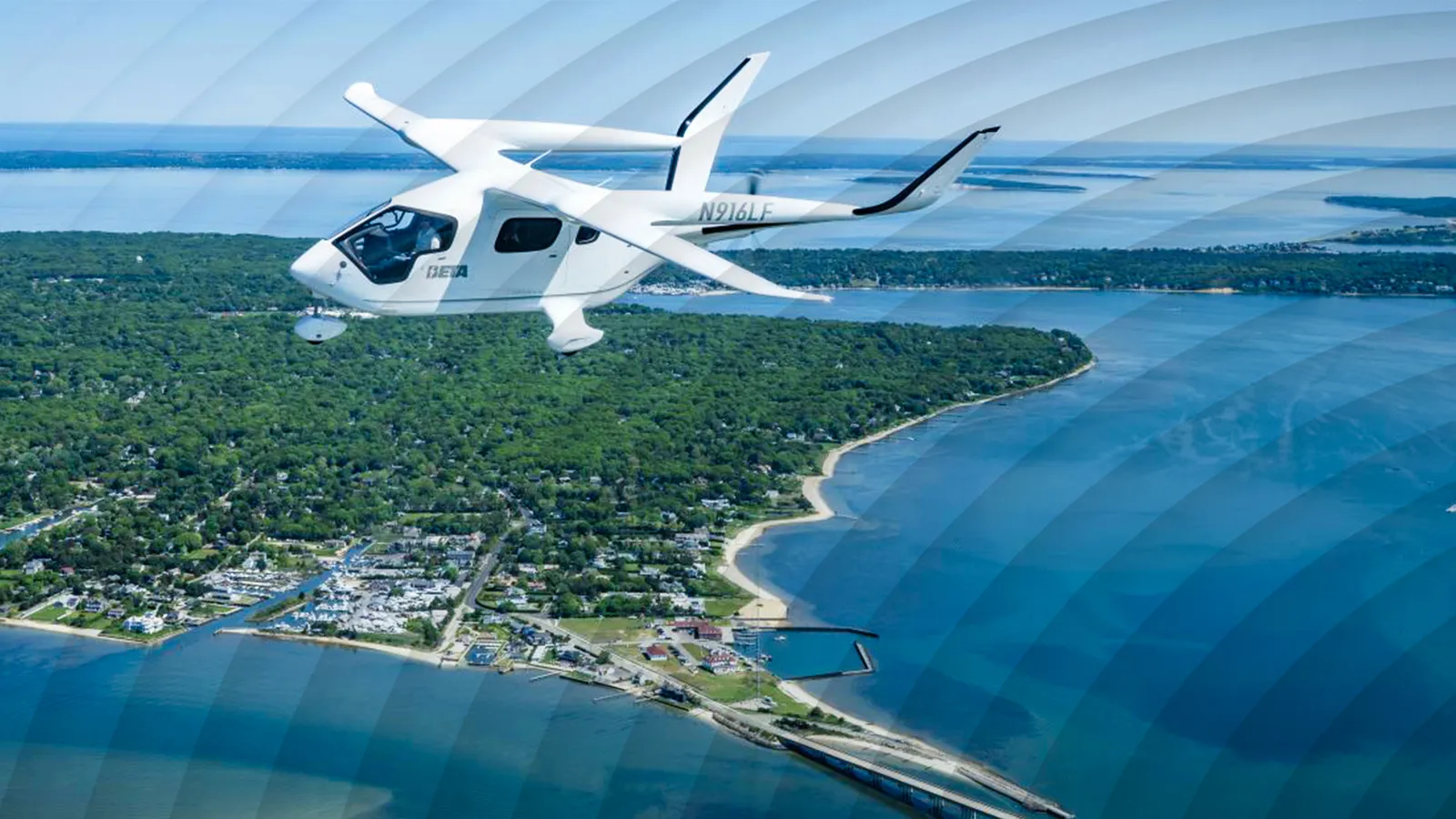
Florida is laying the groundwork for a new kind of transportation network—one that takes flight. The Florida Department of Transportation (FDOT) has launched a business plan to develop a statewide Advanced Air Mobility (AAM) system. This includes aerial corridors, vertiports, and supporting infrastructure for electric vertical takeoff and landing (eVTOL) aircraft.
The first phase targets the high-demand I-4 corridor and positions SunTrax as the operational epicenter.
Florida’s Aerial Network Blueprint
-
FDOT’s business plan outlines the creation of low-altitude aerial corridors that will connect major population and travel centers including Tampa, Orlando, and the Space Coast
-
The I-4 corridor is prioritized due to heavy congestion and strong demand from both business travelers and tourists
-
SunTrax in Polk County will serve as the state’s testing and coordination hub, housing two vertiports and facilities for AAM operations, cybersecurity research, and workforce training
-
Florida has passed enabling legislation to streamline vertiport development and reduce regulatory friction
Real Estate and Infrastructure Impacts
-
Vertiports will require significant new infrastructure, including aircraft charging stations, hangars, control systems, and utility upgrades
-
Several airports, including those in Tampa, Orlando, Lakeland, and Miami, have already expressed interest in hosting AAM facilities
-
Real estate near airports and along key travel corridors is expected to rise in value due to proximity to future aerial routes
-
New commercial uses are likely to cluster around vertiports, including logistics hubs, maintenance depots, and passenger service facilities
Investor Takeaways
-
Landowners near the I-4 corridor and Florida’s key airports are positioned to benefit from early-stage AAM investments
-
Vertiport development introduces a new class of hybrid real estate combining aviation, logistics, and passenger services
-
Leasing opportunities may emerge quickly for utility-enhanced sites able to support high-power charging and vertical landing infrastructure
-
Though large-scale operations may not fully materialize until closer to 2050, test flights and limited commercial activity are expected as early as 2026
New Infrastructure
Florida’s move into aerial mobility represents more than just futuristic transit—it’s a signal to investors and landlords that new types of infrastructure are coming. With state backing, regulatory support, and the initial rollout centered in one of the fastest-growing corridors in the country, now is the time to watch the skies and start planning on the ground.