

Jan 20, 2026
Flatiron Building Reinvents Itself With 38 Ultra-Luxury Residences at 175 Fifth Avenue
Traded Media

Traded Editorial
Key Points
- 38 ultra luxury private residences coming to the iconic Flatiron Building.
- Historic office floors at 175 Fifth Avenue converted to residential use.
- Studio Sofield leads design with a preservation-first luxury strategy.
Flatiron Building Enters the Luxury Residential Market
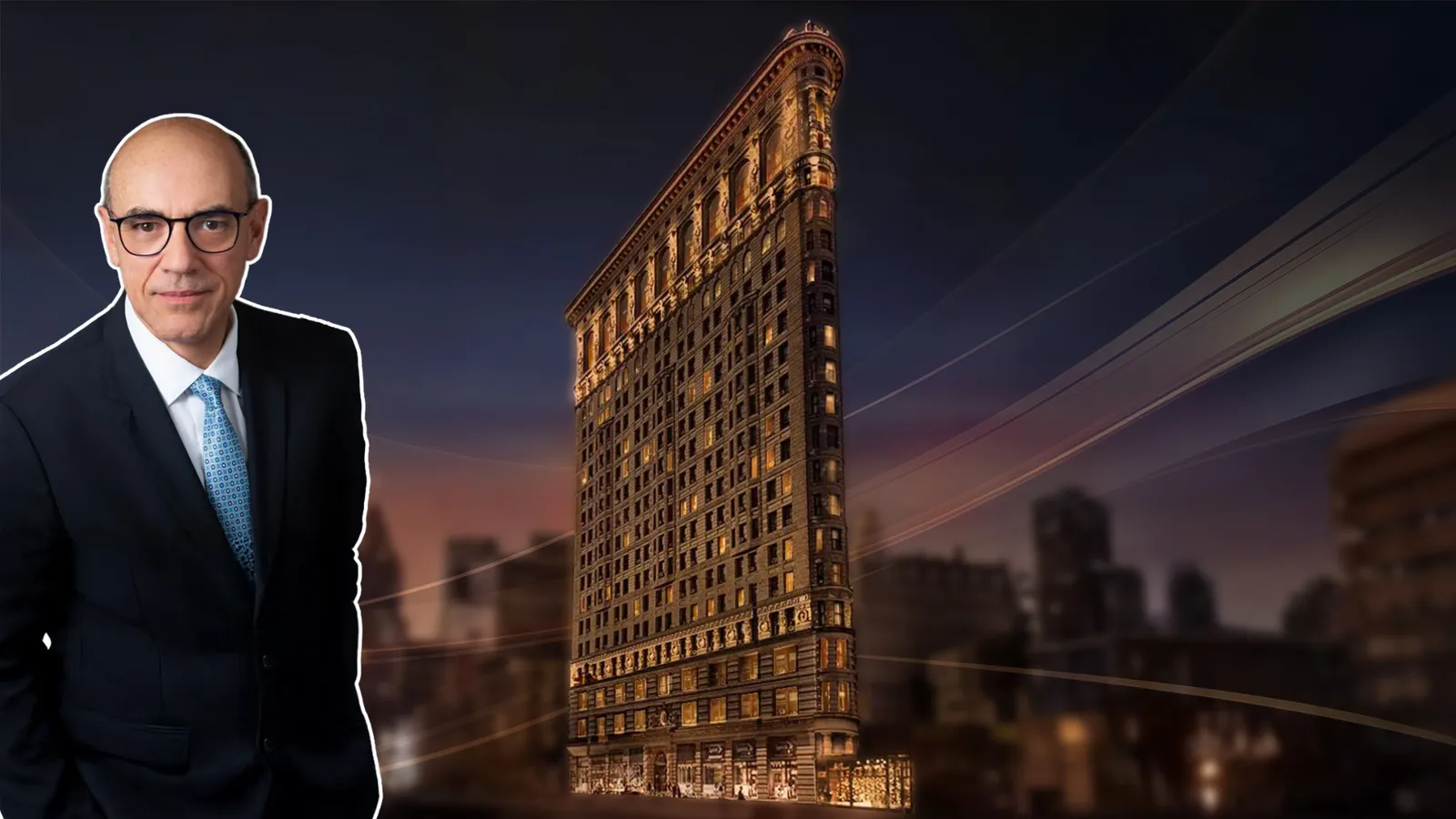
One of New York City’s most recognizable landmarks is officially changing chapters. The Flatiron Building, completed in 1902, is being redeveloped into 38 luxury private residences as part of a full restoration and residential conversion at 175 Fifth Avenue. After decades as an office destination, the landmarked tower is being repositioned to capture demand for rare, trophy residential assets in supply constrained Manhattan. Sales are underway, with completion expected in the coming years.
A Preservation First Conversion Strategy
This conversion is centered on restoration rather than reinvention. The redevelopment carefully preserves the building’s terra-cotta, limestone, and brick façade while upgrading building systems to modern residential standards. Design is led by Studio Sofield, known for high-end projects that emphasize craftsmanship and long-term value. The goal is to retain the Flatiron’s architectural integrity while making the interiors competitive with new luxury product.
Inside the Residences
Each home is shaped by the Flatiron’s iconic triangular geometry, resulting in layouts that feel distinct rather than repetitive. Interiors feature expansive great rooms, strong natural light, and tailored floor plans that highlight views and volume. Instead of maximizing unit count, the developers opted for scarcity and individuality, positioning each residence as a one-of-one asset within a globally recognized structure.
The Developers Behind the Deal
The conversion is being led by The Brodsky Organization alongside The Sorgente Group. Both groups have experience with complex New York assets and value-add repositioning, making the Flatiron a natural fit for their long-term hold strategy.
Why This Matters for CRE Investors
Office-to-residential conversions continue to gain momentum, but the Flatiron stands apart due to its global brand recognition and extreme supply constraint. Assets like this command pricing power based on history and prestige, not just finishes or amenities. For landlords and brokers, the takeaway is clear. The strongest adaptive reuse plays are iconic buildings where scarcity, location, and narrative support long-term value even in cautious capital markets.
Bottom Line
The Flatiron Building’s conversion into 38 luxury residences shows how landmark assets can be repositioned to meet modern demand without sacrificing identity. In a tight Manhattan housing market, true icons still attract capital, buyers, and pricing power