

Nov 30, 2023
Fenway Park's Rooftop Urban Farm Growing 6K LBS of Produce per Year
When you think of Fenway Park, the home of the Boston Red Sox, you probably imagine the crack of a baseball bat, the roar of the crowd, and the iconic "Green Monster" - the towering outfield wall that's been a part of th…

Traded Editorial
Urban Farming Takes Root at Fenway Park
When you think of Fenway Park, the home of the Boston Red Sox, you probably imagine the crack of a baseball bat, the roar of the crowd, and the iconic "Green Monster" - the towering outfield wall that's been a part of the ballpark since its inception in 1912. But there's another green feature at Fenway that's been turning heads and changing the game in a completely different way.
A Different Kind of Green Monster
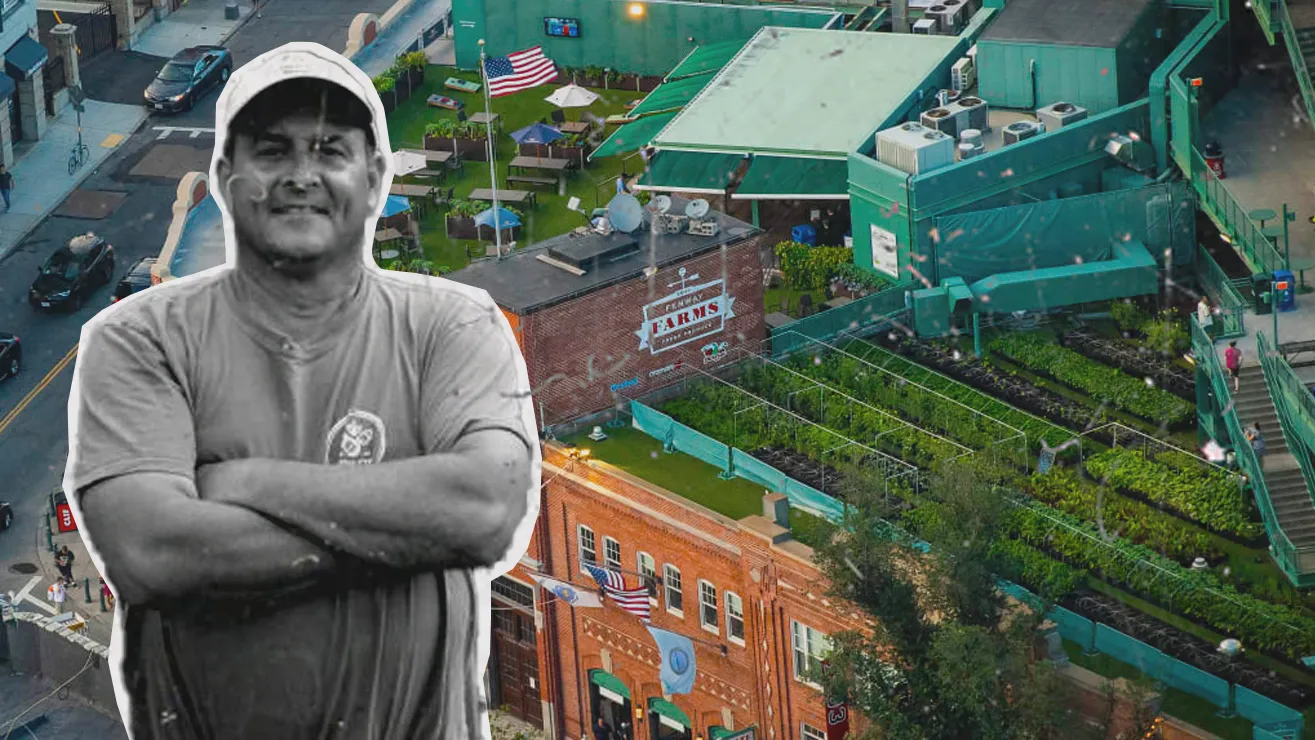
Perched atop the third floor of Fenway Park, behind the third baseline, is an unexpected sight - a thriving urban farm. Known as Fenway Farms, this 5,000-square-foot rooftop garden is transforming an area that was once an empty black rubber roof into a lush, green oasis in the heart of the city.
From Asparagus to Zucchini
Managed by Green City Growers, Fenway Farms boasts 2,400 square feet of growing space. The farm is capable of cultivating a wide range of crops, from asparagus to zucchini. Chris Grallert, president of Green City Growers and a local farmer who grew up attending Red Sox games, sees the rooftop farm as a way to revive local food production systems, a concept that was once a significant part of Boston's community.
Building a Rooftop Bounty
The Red Sox organization launched Fenway Farms in 2014, with the help of Recover Green Roofs, a company that specializes in designing and installing rooftop gardens. Using a modular growing system filled with soil-lined milk crates, the rooftop garden was ready for Major League Baseball’s Opening Day in 2015. Since then, it has been a testament to urban farming's potential, producing up to 6,000 pounds of produce each year.
Conclusion
Fenway Farms is a shining example of how urban spaces, even those as unexpected as a baseball stadium, can be transformed into productive green spaces. It's a testament to the power of urban farming and a model for other cities and organizations to follow. So, the next time you're at a Red Sox game, don't forget to look up - you might just see a different kind of green monster.