

Aug 12, 2026
Emerald Fund, SDG Plan 104-Unit Office-to-Residential Conversion in San Francisco
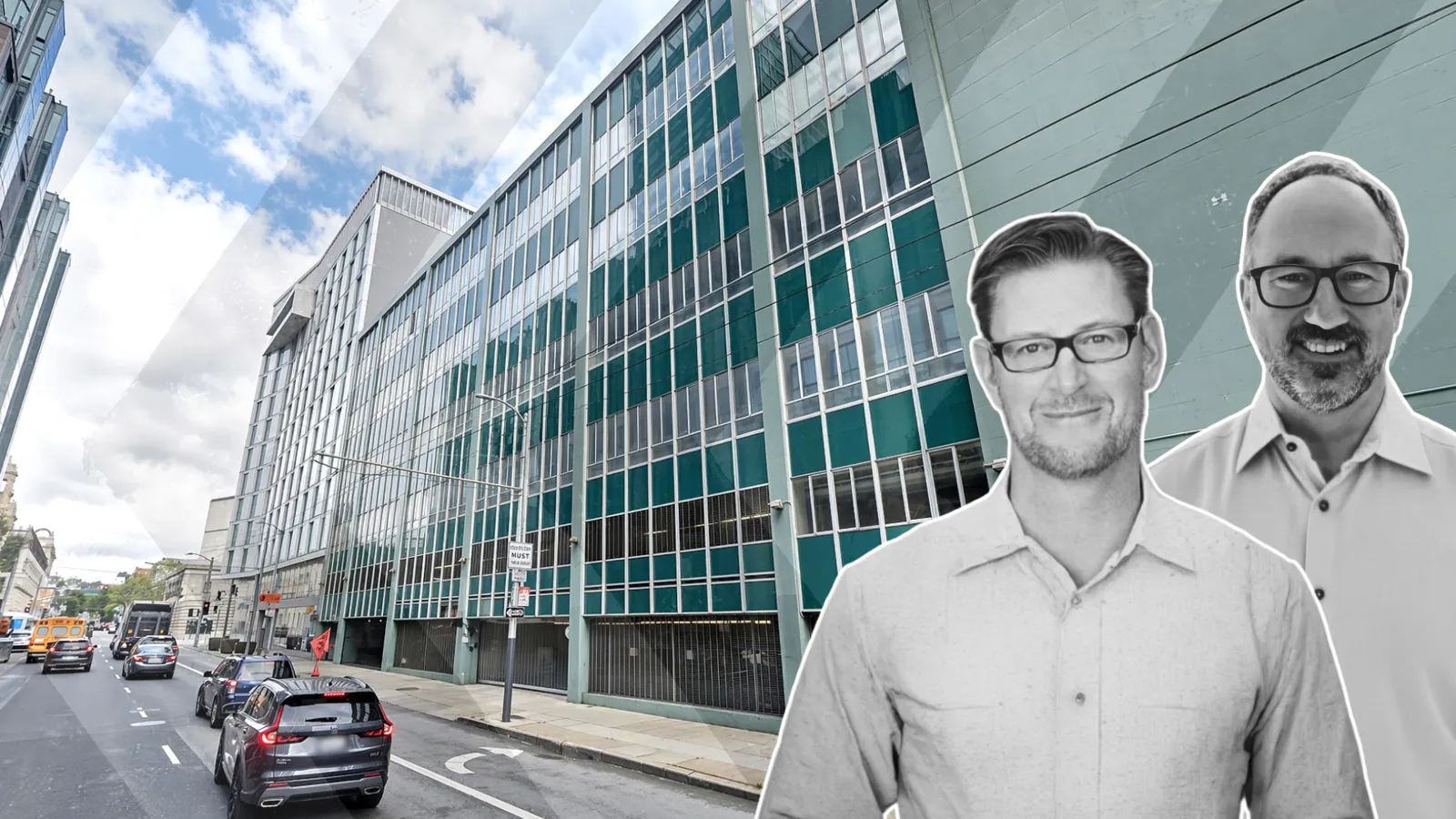
Emerald Fund and SDG plan to convert the vacant office building at 150 Hayes Street in San Francisco into 104 apartments, adding a seventh floor and increasing the height to 100 feet.

Traded Editorial
- Emerald Fund and SDG are moving forward with plans to convert the vacant office building at 150 Hayes Street in San Francisco into 104 apartments.
- The project would add a seventh floor, increase the building's height from 74 feet to 100 feet, and replace its dated green exterior with a glass-and-bronze façade.
- The residential mix would include 55 one-bedroom, 42 two-bedroom and seven three-bedroom apartments.
- The project is notable because office-to-residential conversions remain relatively rare in San Francisco, where construction costs, seismic requirements and financing challenges have made adaptive reuse difficult.
What The 150 Hayes Street Conversion Includes
A long-dormant office building in San Francisco's Civic Center is moving toward a new life as housing. Emerald Fund and SDG have filed plans to convert the vacant six-story building at 150 Hayes Street into a 104-unit residential property. The developers plan to gut the existing interior, add a seventh floor and replace the building's existing green façade with a new glass-and-bronze exterior. The redevelopment would create housing in a part of San Francisco where office vacancies remain high but new residential construction can be expensive.
What The New Building Will Look Like
The conversion would add approximately 15,530 square feet through the new seventh floor, while the building's total gross floor area would settle at approximately 132,961 square feet after the residential reconfiguration. The building would grow from roughly 74 feet to 100 feet in height. The 104 apartments would skew toward smaller floor plans, with 55 one-bedroom units, 42 two-bedroom units and seven three-bedroom apartments. Parking would also be reduced from 110 spaces to 88, reflecting the property's shift from office use to residential occupancy.
What Makes The Conversion Significant
Office-to-residential conversions have been difficult to make work in San Francisco despite the city's large supply of vacant office space. Older buildings can require extensive structural and mechanical upgrades to meet residential standards, while San Francisco's seismic requirements can add another layer of cost and complexity. High construction costs and elevated financing expenses have also made many proposed conversions difficult to move forward. SDG founder and managing principal Jack Sylvan described the opportunity as highly specialized.
“The opportunities in San Francisco are so niche and spotty that most larger players would have trouble justifying it.”
The 150 Hayes Street project is therefore notable not simply because it adds housing, but because the development team has found a way to make an adaptive reuse project financially workable in a challenging market.
What Helped The Project Move Forward
Emerald Fund principal and president Marc Babsin and Sylvan have spent years advocating for policy changes that could make office conversions more feasible. Those efforts included support for lower property transfer taxes, commercial rezoning, reduced fees and changes to certain affordable housing requirements. The policy changes helped the developers make the case for the project to Washington Capital Management, which is involved in the investment strategy, and to the Academy of Art University, the current owner of 150 Hayes Street. Emerald Fund and SDG plan to acquire the property later this year at an undisclosed price.
What The Project Means For San Francisco's Housing Pipeline
The 150 Hayes Street conversion comes as San Francisco tries to turn underused office buildings into housing while downtown continues to recover from years of elevated vacancy. The city's conversion pipeline remains relatively small. The Humboldt Building on Market Street was previously one of the few announced office-to-residential projects, but that development was ultimately abandoned after its developer failed to secure financing.Other conversion proposals are now emerging, including Hudson Pacific Properties' 136-unit project at 901 Market Street and Ocean Avenue Real Estate Fund's 70-unit proposal at 2300 Stockton Street.Emerald Fund also has experience with adaptive reuse, having converted 100 Van Ness Avenue from an office tower into 418 apartments about a decade ago.
What Developers See Ahead
Sylvan said adaptive reuse projects require patience, particularly in San Francisco's complicated development environment.
“These projects are complicated and take a lot of patience.”
He also suggested that successful conversions could encourage more developers to enter the market.
“Maybe in three years, people will start to look at the successes and get FOMO.”
For San Francisco, that could be important. Thousands of entitled housing units remain unbuilt, while significant office space continues to sit vacant. Successful conversions like 150 Hayes Street could offer another path for bringing housing into existing buildings without relying entirely on new construction.