

Jun 26, 2025
DeSantis Signs Condo Safety Bills—Relief and Reform for Boards & Owners

Traded Editorial
Key Points
-
SIRS deadline extended: Condo reserve studies pushed from end of 2024 to Dec. 31, 2025, easing pressure on many boards.
-
Funding flexibility: Boards may pause reserve contributions for two years, use credit lines, and raise repair cost thresholds from $10K to $25K.
-
Stronger oversight and tighter grants: Conflicts‑of‑interest curbed, Community Association Manager licensing made more transparent, and My Safe Florida grants now require 75% owner vote and restrict funds to compliant buildings.
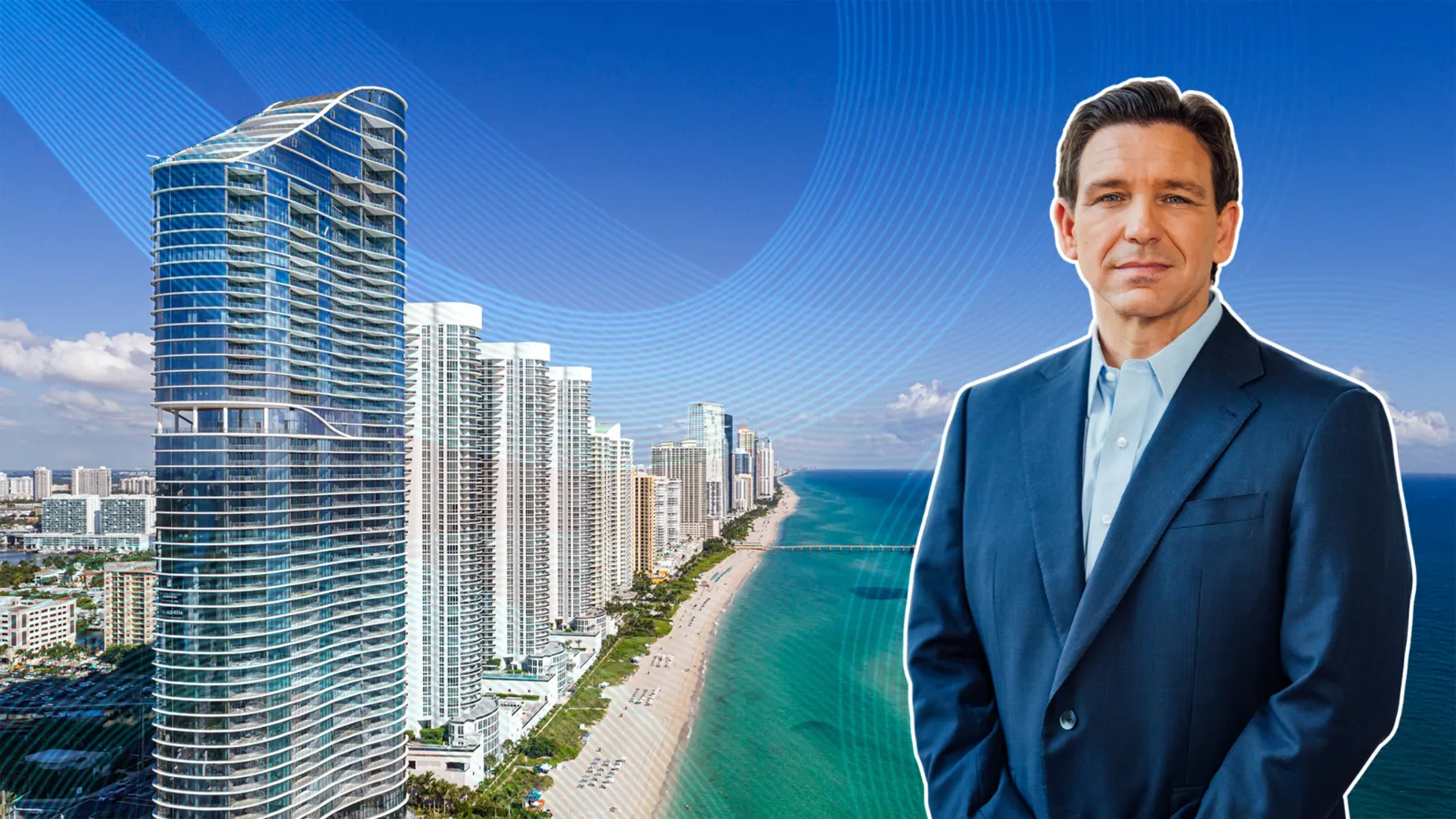
Florida Governor Ron DeSantis signed House Bills 913 and 393 on June 23–24, 2025, marking a major update to condo safety laws passed in response to the tragic Surfside collapse in 2021. These new bills balance financial relief for struggling condo owners with enhanced accountability and stricter grant rules.
HB 913: Smart Safety Funding & Governance
Extended Timeline & Budget Breathers
-
New deadline: Boards now have until Dec. 31, 2025 to complete their Structural Integrity Reserve Studies (SIRS), a one-year extension from the original Dec. 2024 requirement.
-
Pause contributions: Associations that have done a milestone inspection within two years can pause or reduce reserve funding for up to two budget cycles, applicable through end‑2028—with owner approval.
Broader Funding & Raised Thresholds
-
Boards can now tap lines of credit or loans for reserve needs.
-
Reserve inclusion threshold for major projects like roof work jumps from $10K to $25K, indexed for inflation from Feb. 2026.
Conflict-of-Interest & Manager Oversight
-
Inspectors, architects, and engineers must disclose bids on inspection and upcoming repair contracts and avoid overlapping roles.
-
Community association managers (CAMs) need online DBPR licensure with company disclosures, and if revoked, can’t work in CAM-related roles for 10 years.
Reporting & Transparency
-
Local authorities must report building compliance, inspection results, unsafe determinations, and permit progress to the state by year-end, via OPPAGA oversight
-
Budget reporting, contract transparency, electronic notices, and disclosure protocols are all strengthened .
HB 393: My Safe Florida Condo—Targeted Mitigation Grants
Who’s Eligible
-
Only condos 3+ stories with at least two units per building can access the pilot program.
-
Must be fully compliant with SIRS and milestone inspections.
Lowered Vote Barriers
-
Grant applications now need a 75% unit-owner approval instead of 100%
Funding Formula & Caps
-
The state will match $2 for every $1 spent by associations, capped at $175K per association.
-
Grants now strictly limited to insurance-mitigating improvements: roofing, windows, doors, etc.
Why This Matters to CRE Stakeholders
For Owners & Boards
-
Provides temporary financial reprieve for aging communities amid rising inspection and repair costs.
-
Offers funding flexibility—avoid special assessments via loans or credit lines.
-
Improves governance visibility—owners get better insight, stronger authority, and fewer surprise bills.
For Investors & Brokers
-
Buildings that are inspection-compliant and safe will be more marketable with sound underwriting.
-
Non-compliant or underfunded properties may face insurance headaches, private market limits, and price drag.
-
With stricter CAM and vendor standards, long-term asset management quality improves.
HB 913 and HB 393 strike a balancing act: easing the immediate cost burden of post-Surfside mandates, while bolstering safety, accountability, and disaster resilience. Investors and board leaders should start planning now—on budgeting, inspections, funding strategies, and grant eligibility. This legislative pivot signals Florida’s commitment to sustainable condo governance and building longevity.