

Apr 10, 2026
Cornerstone Delivers 64 Unit Supportive Housing Project in Pico Robertson
Traded Media

Traded Editorial
- Cornerstone completed a 64-unit mixed-use project for neurodivergent adults
- Development includes 9,400 square feet of retail and a 55-car garage
- Funded in part by the Bhatia Family Foundation with an affordable housing component
What The Project Delivers For Specialized Housing
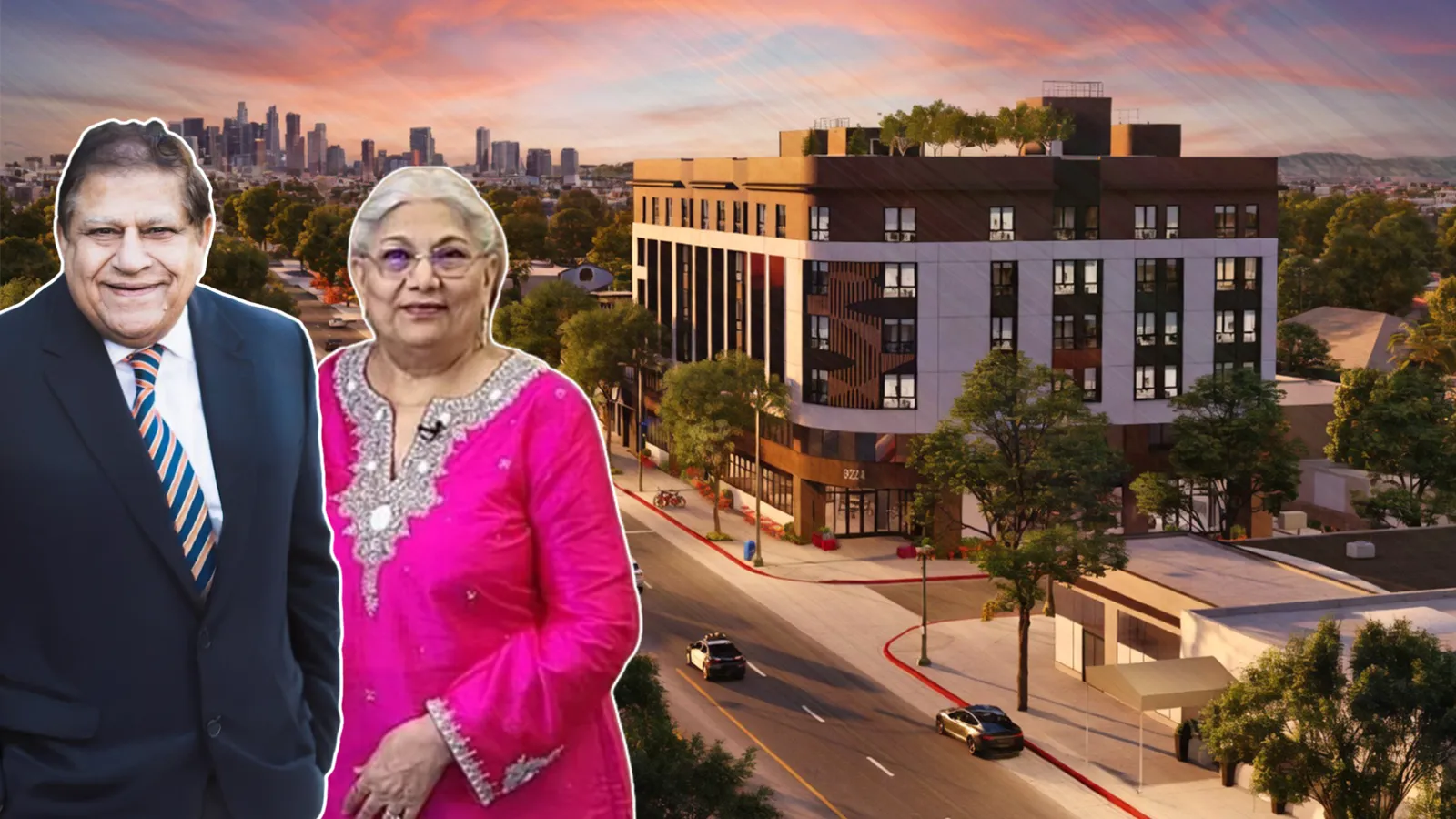
Construction is complete on the Bhatia Family Village at 9224 West Pico Boulevard, bringing a new supportive housing community to Pico Robertson in Los Angeles. The project was developed by Cornerstone Housing for Adults with Disabilities. The six-story building includes 64 studio, one and two-bedroom units, all designed to support residents with intellectual and developmental disabilities. This type of housing remains limited across major markets, making the project a notable addition to the sector.
What The Mixed Use Component Means For Revenue Stability
In addition to residential units, the development features 9,400 square feet of ground-floor commercial space and a 55-car basement garage. This mixed-use structure allows for diversified income streams, which can help stabilize long-term operations. The inclusion of retail space also activates the street level and integrates the property into the surrounding neighborhood, which can support both tenant experience and asset value.
What The Design And Amenities Mean For Tenant Experience
The project was designed by Urban Architecture Lab and includes several shared spaces aimed at improving the quality of life for residents. These include a second-level terrace, a third-level courtyard, and a rooftop deck. These features reflect a growing focus on community-oriented design, particularly in supportive housing environments where social interaction and accessibility are key factors.
What The Funding Structure Means For Future Development
The project was supported by the Ramesh and Kalpana Bhatia Family Foundation, highlighting the role of private funding in advancing specialized housing developments. In addition to the supportive housing units, the building includes eight deed-restricted very low-income units. This layered affordability approach is becoming more common as developers look to meet funding requirements while maintaining project feasibility.
What This Means For Investors And Developers
This project underscores the growing demand for niche housing segments such as supportive and disability focused housing. While these developments often rely on subsidies or partnerships, they can offer stable occupancy and long-term demand. For investors and landlords, it highlights an opportunity to explore alternative residential strategies beyond traditional multifamily, particularly in markets with strong public and nonprofit support.