

Sep 1, 2026
Construction Begins on 2.5-Mile 116th Street Bus Lane Overhaul in East Harlem
Construction of the 116th Street bus corridor redesign is underway, adding dedicated bus lanes, protected bike lanes, and new pedestrian space, with completion expected by fall 2026.
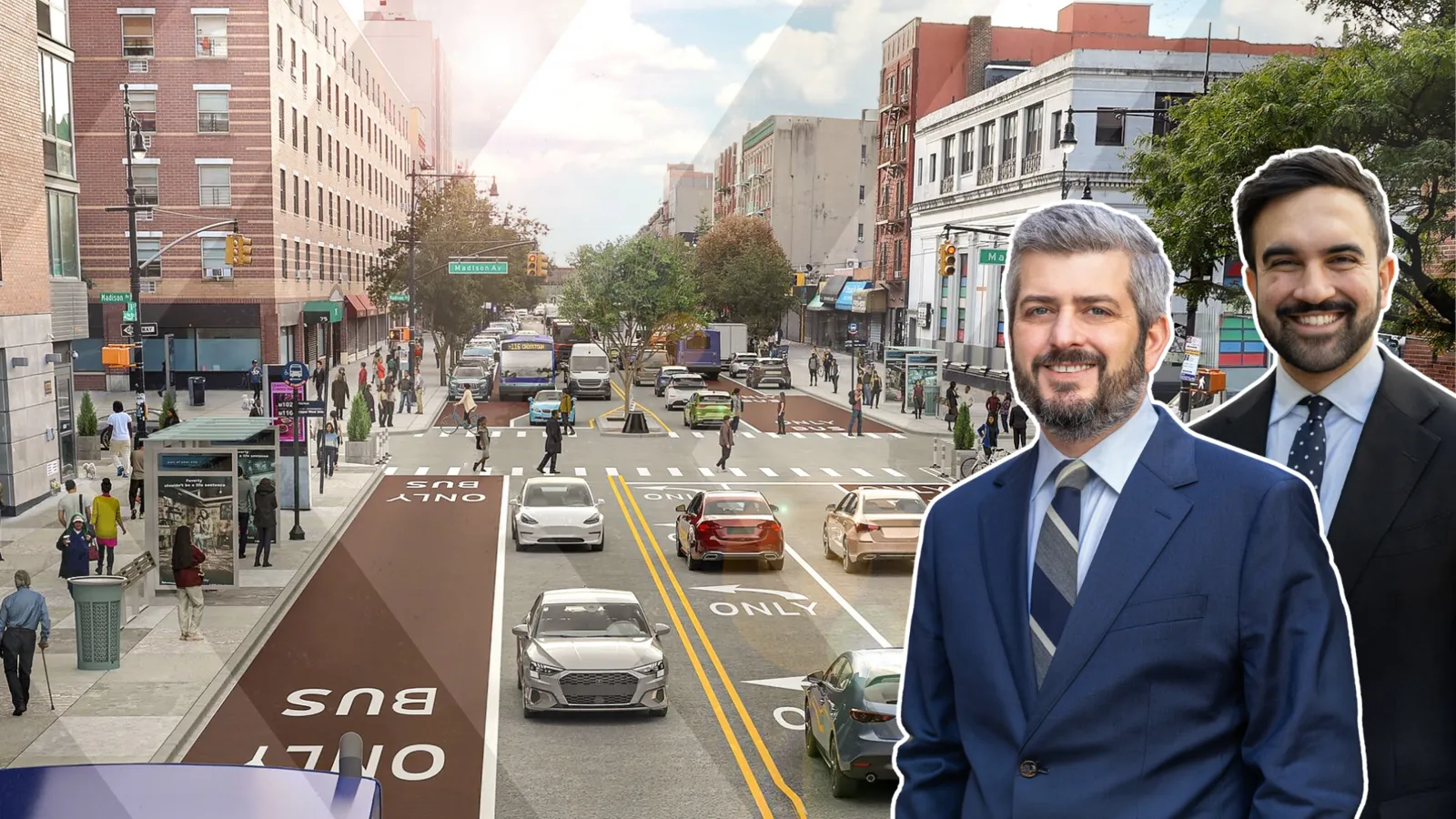
Image courtesy of NYC

Traded Editorial
- Construction is underway on a 2.5-mile redesign of the 116th Street bus corridor through Harlem and East Harlem.
- The project will add 24/7 dedicated bus lanes, protected bike lanes, new pedestrian space and traffic signals along the corridor.
- The overhaul will serve more than 65,000 daily bus riders across 10 routes while repurposing 61 parking spaces for pedestrian and safety improvements.
- Construction is expected to continue through fall 2026.
What The 116th Street Project Will Change
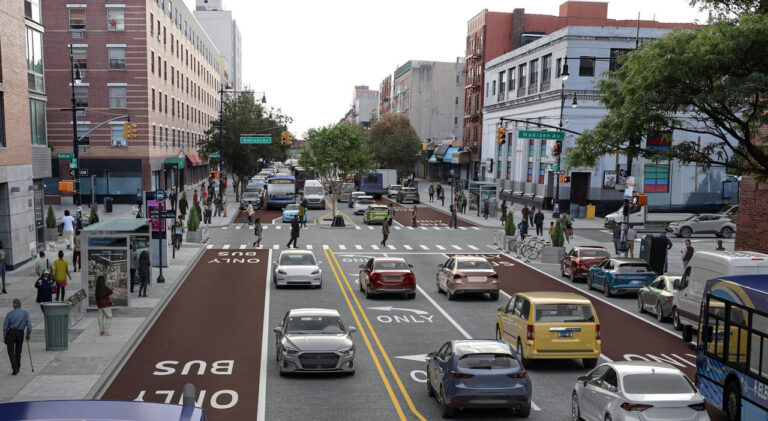
The New York City Department of Transportation, working with the MTA, has started construction on a major redesign of the 116th Street crosstown bus corridor in Manhattan. The project stretches 2.5 miles from Fifth Avenue to Pleasant Avenue and will introduce dedicated bus lanes in both directions. The lanes will operate around the clock and will be marked with red pavement to make them easier for drivers and pedestrians to identify. The corridor currently serves more than 65,000 bus riders each day across 10 routes, making the improvements significant for commuters traveling through Harlem and East Harlem.
What Transportation Improvements Are Planned
The redesign will add a combination of offset and curbside bus lanes, dedicated traffic signals known as queue jumps, and protected bike lanes. The project will also create approximately 35,000 square feet of new pedestrian space. DOT plans to use space currently occupied by shared parking-and-travel lanes for sidewalk and curb extensions, pedestrian islands, speed humps and hardened daylighting areas. Three new mid-block crosswalks, additional traffic signals and on-street bicycle parking will also be installed along the corridor.
What Safety Changes Are Coming
The redesign is also intended to address traffic safety along 116th Street. According to city figures, 317 people were injured in crashes within the project area between 2020 and 2024. Left turns from 116th Street onto Park Avenue beneath the elevated Metro-North tracks will be restricted as part of the changes. New pedestrian islands and other street-design improvements are intended to give people more protected space when crossing the busy corridor. An NYC DOT Art mural is also planned at the intersection of East 120th Street and Pleasant Avenue, adding a public-art component to the transportation overhaul.
What The Bike Network Will Add
Pleasant Avenue will receive additional bicycle infrastructure between East 116th and East 120th Streets. The project calls for a parking-protected bike lane in each direction, creating new connections to existing bicycle routes serving Randall's Island and the Harlem River waterfront. The improvements are designed to make it easier for cyclists to travel between the neighborhood and the existing waterfront network while separating bicycle traffic from moving vehicles.
What The Parking Changes Mean
The project will repurpose 61 parking spaces to create the new pedestrian and transportation improvements. DOT is also changing parking and curb regulations along the corridor, including the introduction of metered parking and designated truck loading zones. The goal is to improve access to the curb and reduce double- and triple-parking, which bus riders have identified as a major source of delays. DOT has pointed to nearby Lexington Avenue bus lanes as an example of what the changes could accomplish. According to the agency, those lanes increased bus speeds by 19 percent and reduced traffic injuries by 24 percent.
What The Construction Timeline Looks Like
Construction on the 116th Street redesign is expected to continue through fall 2026. Once completed, the project will transform a major crosstown corridor with faster and more reliable bus service, protected bicycle infrastructure and additional pedestrian space. The combination of transit, cycling and street-safety improvements is expected to change how residents and commuters move through East Harlem and surrounding parts of Manhattan.