

Mar 10, 2026
Concord Rezones Key Sites for 1,000+ Homes as East Bay City Fast-Tracks Housing Goals
Traded Media

Traded Editorial
Key Points
• 1,002 housing units enabled through rezoning across five sites
• Up to 60 units per acre now allowed in former single-family zones
• City moves years ahead of state housing mandate deadline
What the Rezoning Vote Means for Development Rights
The City Council approved higher-density zoning on March 3 to comply with California housing mandates. Sites can now support up to 60 units per acre, a sharp increase that enables true multifamily scale. Officials also aimed to avoid “builder’s remedy” projects and steep penalties tied to noncompliance with state housing laws. Policy alignment reduces legal risk and accelerates project timelines.
What the Former Kmart Site Means for Large-Scale Infill
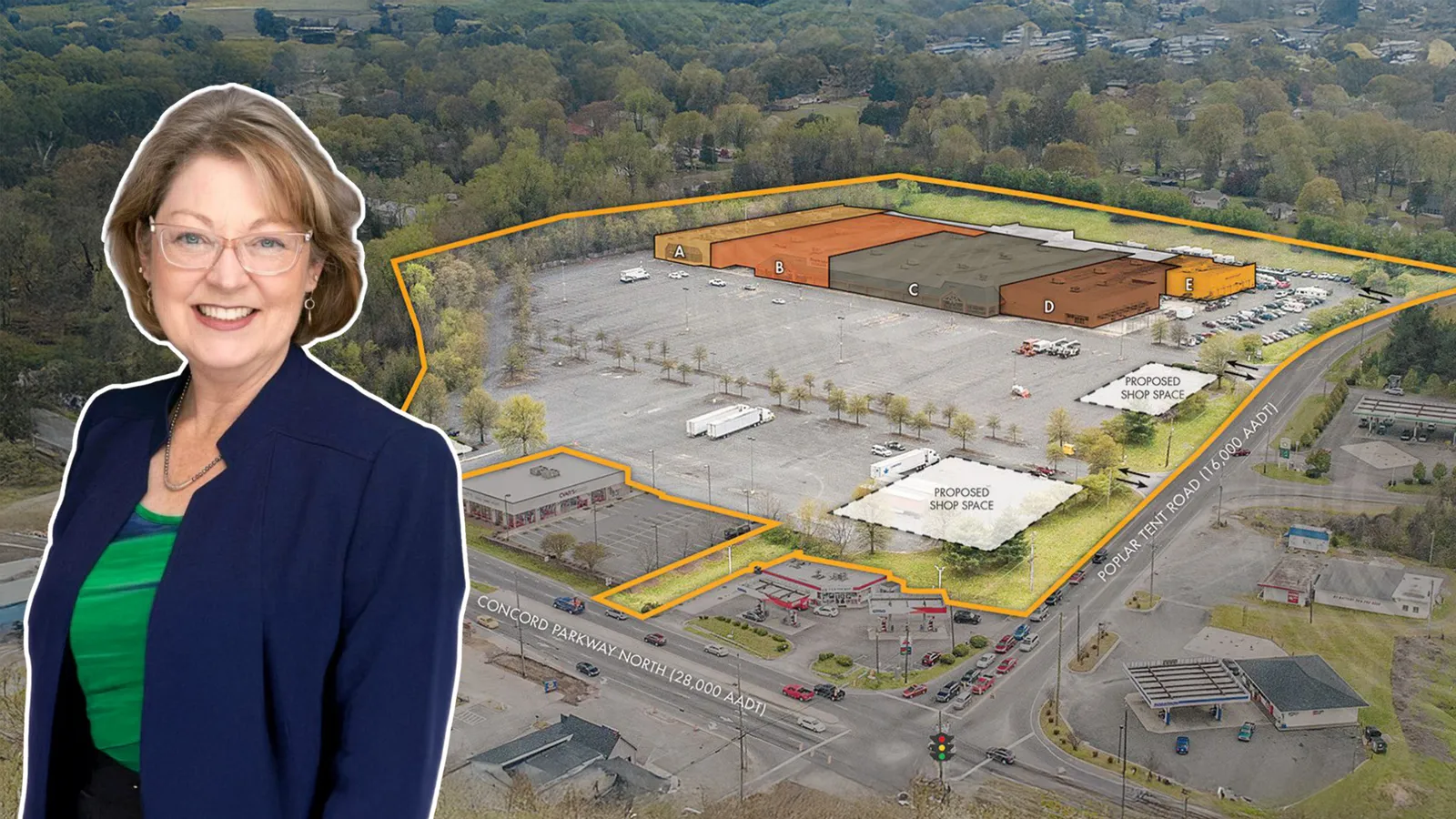
The biggest opportunity sits at 5100 Clayton Road, the former Kmart property. The site is now zoned for 471 residential units, with potential for even more through California’s state density bonus program, which can double unit counts when affordable housing is included. Large vacant retail parcels remain prime candidates for suburban housing supply.
What Commercial Site Upzoning Means for Mixed Use Potential
The Clayton Fair Business Center at 5354–5356 Clayton Road is cleared for 248 housing units under the new zoning. Currently home to retail and office tenants, the property could evolve into a residential-led mixed-use project as market conditions shift. Corridor commercial conversions continue to be a major housing pipeline source across California.
What Apartment and Small Parcel Changes Mean for Incremental Density
Existing residential and small infill parcels are also gaining new capacity. The Palm Lake Apartments site at 780 Oak Grove Road can add 165 units, though officials reduced earlier density recommendations. A single-family parcel at 1539 Kirker Pass Road could support 58 units, while a vacant lot at 5390 Myrtle Drive allows up to 60 homes. Incremental infill across multiple parcels helps cities scale supply without mega-project dependence.
What Housing Mandate Compliance Means for City Finances
Even without density bonuses, the rezonings enable 1,002 units, meeting Concord’s state housing element requirement through 2031. Compliance helps the city avoid legal exposure, including potential $50,000 monthly fines and loss of state funding tied to housing targets. Regulatory certainty is a major unlock for private capital deployment.
What the Naval Weapons Station Plan Means for Long-Term Growth
Beyond infill sites, the proposed redevelopment of the Concord Naval Weapons Station represents a larger long-term housing pipeline. That master plan could deliver 12,000 homes through a redevelopment estimated at $1 billion, reshaping the city’s growth trajectory over the next decade. Large public land redevelopments remain critical to meeting regional housing demand.
What This Means for East Bay Multifamily Investors
Rezoning in high-resource suburban markets is one of the clearest signals of political support for housing growth. Concord’s proactive approach reduces entitlement risk, opens infill inventory, and positions the city as a faster path to shovel-ready multifamily development in the East Bay.