

Jan 8, 2024
Climate Change Threatens Major Havoc in Top 10 US Cities including Florida, Texas & California by 2050
Climate change is reshaping the landscape of America's urban centers, and the impact is not evenly distributed.
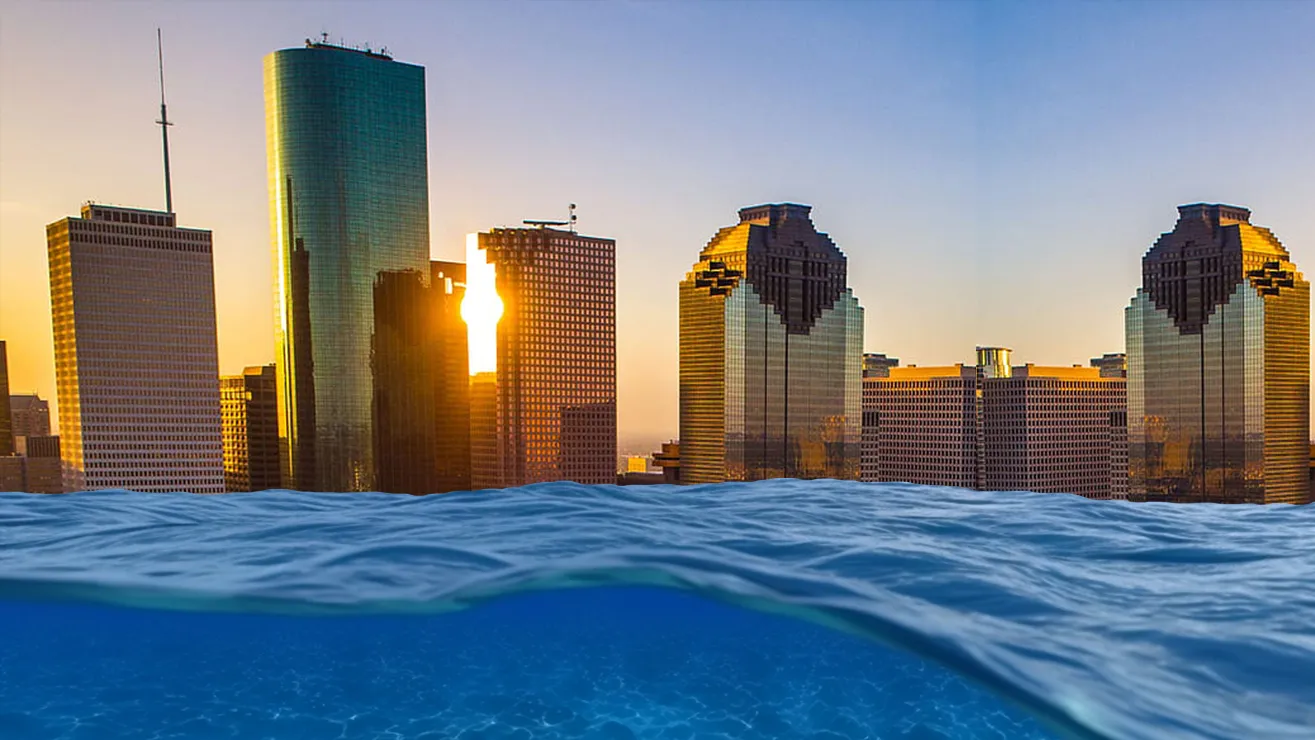

Traded Editorial
Climate change is reshaping the landscape of America's urban centers, and the impact is not evenly distributed. Here's a closer look at the 10 major US cities most likely to bear the brunt of climate-related havoc by 2050, as assessed by Policygenius.
10. Virginia Beach, Virginia - Facing a Rising Tide
Virginia Beach faces a looming threat from rising sea levels. By 2050, approximately 4% of properties here will be at a 10% annual risk of flooding. A chilling statistic reveals that nearly 17% of properties will find themselves within 100-year flood plains, a 6% increase from today. Hurricane Matthew in 2016 was a stark reminder, causing substantial damage and leaving a $30 million dent.
9. Riverside, California - Choking on Air Pollution
Riverside, California, nestled in the Inland Empire, anticipates a troubling future with the highest number of extreme heat days—178, to be precise—by 2050. This is coupled with a persistent air quality challenge, as only 20% of measured days in 2021 were deemed "good." Families in Riverside are already paying a hefty price, with an average annual expenditure of $4,008 to treat asthma cases linked to poor air quality.
8. Memphis, Tennessee - Heating Up and Battling Disasters
Memphis is bracing for an increase in extreme heat days, projecting 63 scorching days annually by 2050. Additionally, the city faces the ongoing threat of natural disasters, as evidenced by severe thunderstorms causing $25 million in damage and power outages in June. The wake-up call is clear, demanding attention to the vulnerability of this Tennessee city.
7. Los Angeles, California - Breathing in the Smog
While Los Angeles is known for its glamour, it grapples with air quality challenges. Only 15% of measured days in 2021 boasted "good" air quality. Add the high risk of wildfires to the mix, exacerbating smog and pollution from congested shipping ports, and the City of Angels finds itself in a precarious situation. The American Lung Association's 2023 report underscored this with an F grade and 112 unhealthy ozone days.
6. New Orleans, Louisiana - Submerged in Risk
New Orleans faces a double threat from flooding and extreme heat. Alarming projections indicate that 99% of homes will be in a 100-year flood plain by 2050, a 66% increase. Hurricane Ida in 2021 reversed the flow of the Mississippi River, showcasing the ongoing vulnerability of this city still recovering from Hurricane Katrina.
5. Orlando, Florida - Battling the Scorching Heat and More
Orlando, Florida, is set to endure the most extreme heat days—64 in total—by 2050. The city not only contends with the relentless heat but also faces a significant probability of hurricanes and tornadoes, making it a hotbed for natural disasters. Even after Hurricane Ian in 2022, residents are still grappling with the aftermath, highlighting the pressing need for climate resilience in the Sunshine State.
4. Jacksonville, Florida - Tidal Threats and Rising Heat
Jacksonville anticipates 57 extreme heat days annually by 2050, placing it at the forefront of climate vulnerability. Rising sea levels are projected to impact 1.24% of properties, adding to the city's challenges. Hurricane Idalia in August served as a stark reminder, causing widespread flooding and damage, exposing the fragility of this coastal city.
3. Tampa, Florida - Battling Nature's Fury
Tampa faces a triple threat with a 24% projection of properties in 100-year flood plains, 56 days of extreme heat, and the constant looming danger of natural disasters. In October, six tornadoes wreaked havoc in the Tampa Bay area, emphasizing the urgent need for preparedness and adaptation in the face of an increasingly unpredictable climate.
2. Miami, Florida - Drowning in Risks
Miami, known for its tropical storms and hurricanes, is at the forefront of climate vulnerability. Rising sea levels are expected to impact 5% of properties, with a staggering 42% projected to be in 100-year flood plains by 2050. The Surfside neighborhood's condo collapse in 2021 serves as a grim reminder of the link between climate and catastrophic events.
1. Houston, Texas - Searing Heat, Suffocating Air, and Inundation Threats
Houston, Texas, takes the top spot as the city most at risk. Texans can anticipate a scorching 85 days of extreme heat per year by 2050, paired with air quality concerns as only 44% of days in 2021 measured as "good." Houston's vulnerability extends to flooding and sea level rise, highlighted by the catastrophic Hurricane Harvey in 2017 and the unexpected winter storm in 2021, exposing the city's multifaceted climate challenges.
As we conclude our exploration of these climate battlegrounds, the urgent call for proactive measures to address and mitigate climate change becomes undeniable. The future resilience of these cities rests on the collective efforts to adapt to the changing climate and build a sustainable future.