

Jun 13, 2024
City of Chicago Greenlights Subsidies for 4 Office-to-Resi Conversions in the Loop
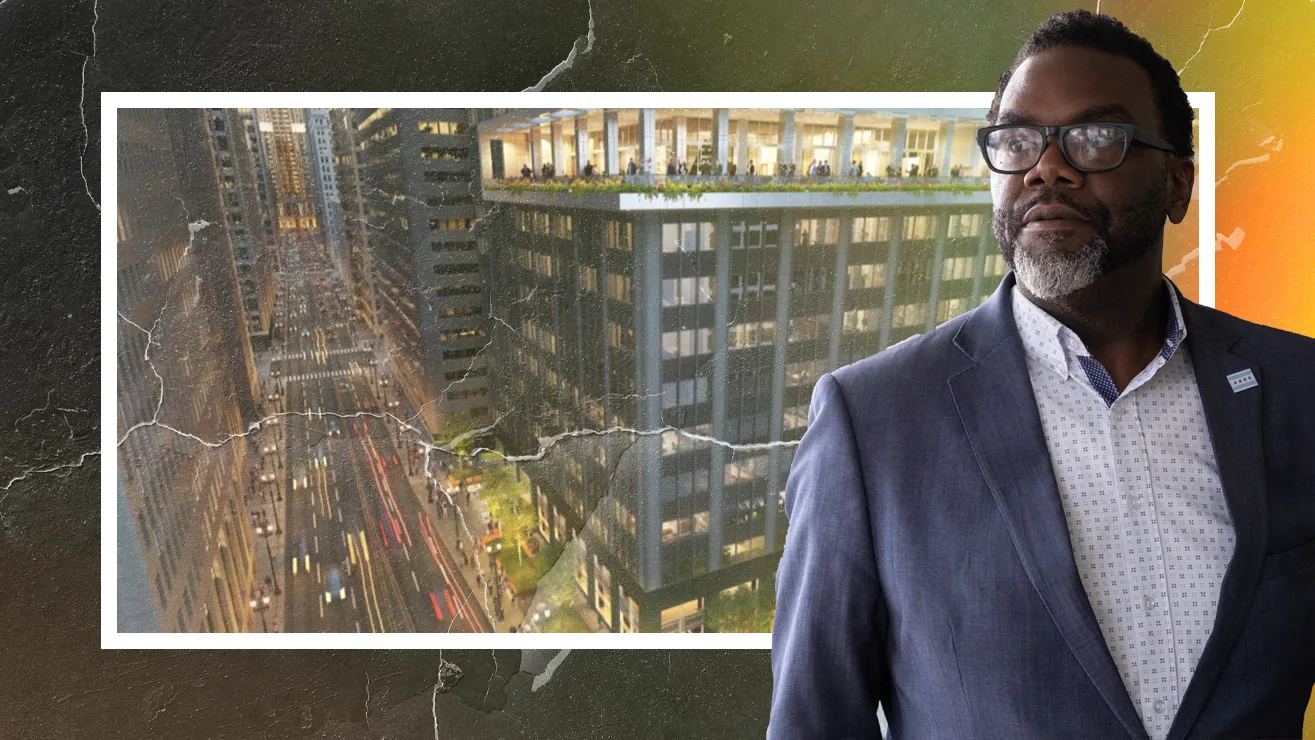
Chicago taxpayers are closer to providing $151 million in subsidies to developers for converting four Loop office buildings into over 1,000 apartments.

Traded Editorial
Chicago taxpayers are closer to providing $151 million in subsidies to developers for converting four Loop office buildings into over 1,000 apartments. This follows a preliminary approval from the Chicago Community Development Commission, which endorsed tax-increment financing (TIF) grants for the projects.
Approval and Project Details
The endorsement is the first step in a series of approvals required for the office-to-residential conversions, estimated to cost nearly $525 million. The projects, located at 111 W. Monroe St., 208 S. LaSalle St., 30 N. LaSalle St., and 79 W. Monroe St., are part of the LaSalle Street Reimagined initiative launched in 2022. This initiative aims to revitalize the central business district by repurposing vacant office spaces.
Redevelopment Agreements and Further Approvals
With the green light from the mayoral-appointed commission, the city can now negotiate redevelopment agreements with the developers. Further approvals are needed from other city panels, including the Chicago Plan Commission and the Commission on Chicago Landmarks, before the City Council gives final approval.
Post-Pandemic Recovery Goals
The commission's approval reflects the belief that revamping outdated office buildings is a worthwhile investment for taxpayers to accelerate the Loop’s recovery from the pandemic. The initiative, started under former Mayor Lori Lightfoot, aims to increase downtown foot traffic and include affordable housing, with 30% of new units reserved for residents earning 60% of the area's median income.
Financial and Economic Impact
Mayor Brandon Johnson has continued the initiative, emphasizing the financial interest taxpayers have in preventing underutilized properties from stalling economic growth. The Department of Planning & Development (DPD) highlighted the impact of a 50% reduction in downtown workers post-pandemic, estimating a $3 billion annual decrease in spending.
Challenges and Future Vision
Ensuring that these residential conversions stimulate broader economic activity is a significant challenge. Key to success will be introducing amenities like grocery stores and retail spaces in an area traditionally focused on office use. DPD Deputy Commissioner Cindy Roubik emphasized the goal of creating a diverse, mixed-use neighborhood.
Scope of the Projects
The four approved projects will transform 1.3 million square feet of office space into 1,037 apartments, including 319 affordable units. The conversions are expected to increase annual property tax revenue by $2.7 million, a 37% rise.
Financial Contributions and TIF Reliance
Developers’ equity contributions vary across the projects, with TIF funds covering a significant portion of costs. For example, the project at 79 W. Monroe St. relies on TIF for 44% of its $64 million cost. The reliance on TIF funds has sparked a debate about the appropriate use of these subsidies, considering some developers, like Google, are investing in downtown without public assistance.
Additional Projects Under Consideration
City officials are also evaluating two other potential projects under the LaSalle Street Reimagined initiative. These include a 247-unit conversion at 105 W. Adams St. and a 430-unit project at 135 S. LaSalle St., demonstrating continued efforts to repurpose underutilized office spaces in the Loop.
Detailed Project Overviews
111 W. Monroe St.

- Developer: Prime Group/Capri Investment Group
- 345 units (105 affordable)
- Total cost: $203 million
- TIF request: $40 million
- Timeline: Start in January 2025, complete by January 2027
208 S. LaSalle St.

- Developer: Prime Group
- 228 units (68 affordable)
- Total cost: $122.7 million
- TIF request: $26.2 million
- Timeline: Start in January 2025, complete by January 2027
30 N. LaSalle St.

- Developer: Golub, Corebridge Financial
- 349 units (105 affordable)
- Total cost: $135 million
- TIF request: $57 million
- Timeline: Start in March 2025, complete by January 2027
79 W. Monroe St.

- Developer: Campari Group, R2
- 117 units (41 affordable)
- Total cost: $64.2 million
- TIF request: $28 million
- Timeline: Start in Q1 2025, complete by Q1 2026
These detailed plans illustrate the city’s commitment to transforming the Loop into a vibrant, mixed-use community while addressing affordable housing needs and post-pandemic economic recovery.