

May 4, 2026
Chicago Loft Office Building At 168 North Clinton Set For Demolition
Traded Media

Traded Editorial
- Six-story loft office building in West Loop approved for demolition
- Atlas Industries plans to salvage ~150,000 bricks and large timber
- No redevelopment plans announced for the site
What The Demolition Means For West Loop Inventory
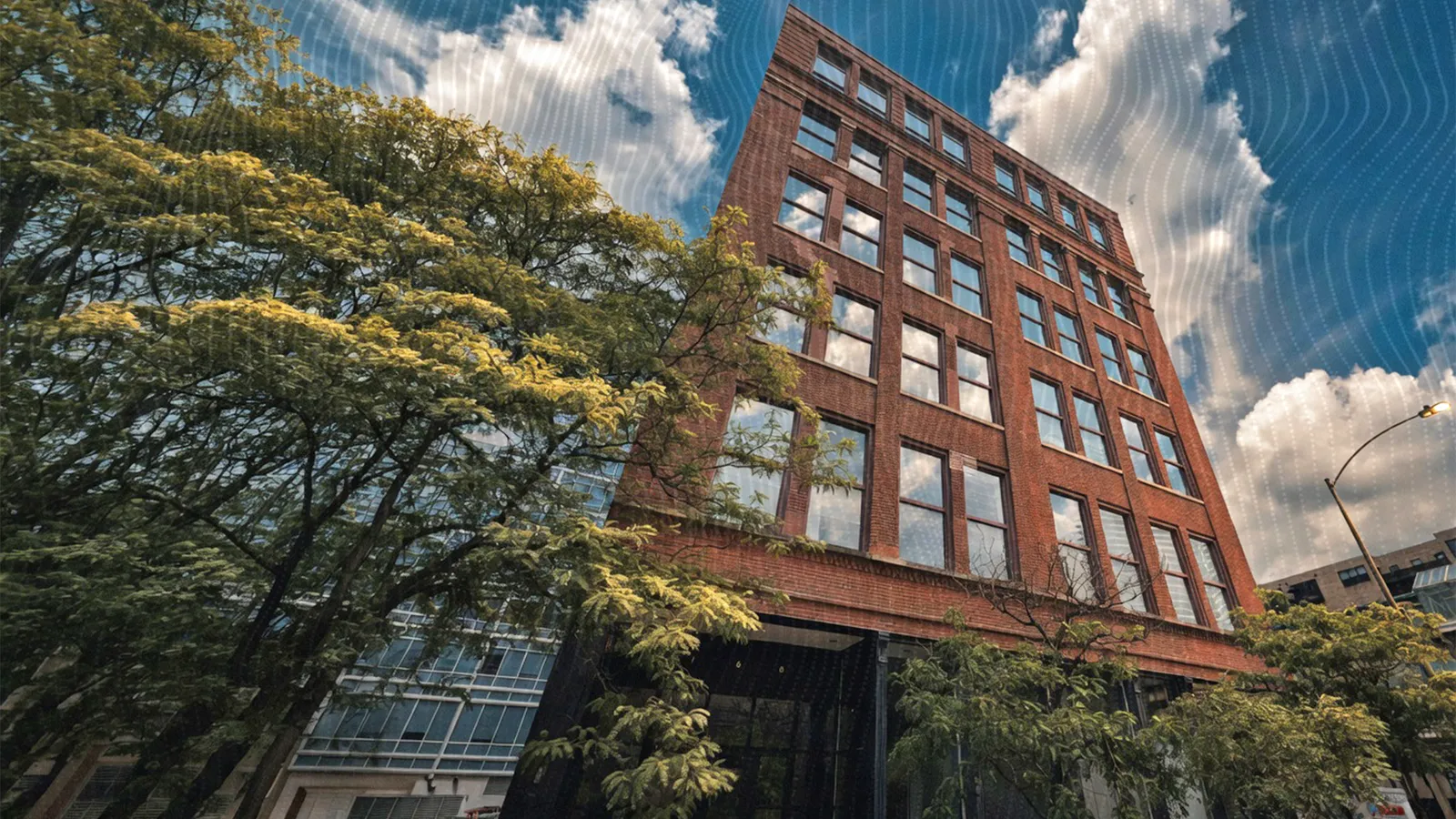
A six-story loft office building at 168 North Clinton Street is moving toward demolition after permits were issued earlier this year. Interior prep work is now complete, and full teardown is expected to begin shortly. The removal of the building will reduce existing office stock, but the bigger question is what replaces it. With no plans filed yet, the site remains open-ended in one of Chicago’s most active neighborhoods.
What The Salvage Effort Says About Asset Value
Rather than a straightforward teardown, the demolition will focus heavily on material recovery. Atlas Industries plans to salvage a large volume of bricks along with high-quality timber that remains in strong condition. This reflects a growing trend in urban redevelopment where older buildings still carry value through reusable materials, especially as construction costs remain elevated.
What The Building Represented Before Demolition
The structure featured classic loft characteristics, including exposed brick, heavy timber beams, and open floor layouts. These types of buildings once defined much of the West Loop’s industrial identity. Part of the property also served as the USPS Haymarket Station, adding to its functional history within the neighborhood.
What The Timeline Suggests For The Site
Demolition is expected to take about three months once underway. Equipment is already on site, and surrounding parking areas will be partially closed during the process. The lack of a redevelopment plan introduces some uncertainty, but given the location, the site is unlikely to sit idle for long.
What This Means For Investors And Landlords
This is a familiar pattern in strong urban submarkets. Older assets are cleared before a new use is finalized, especially when land value outweighs the existing structure. For investors, it reinforces the long-term play in neighborhoods like the West Loop, where redevelopment continues to reshape the landscape and unlock higher-value uses.