

Jul 29, 2025
Building for Belonging: Pinnacle’s Max Cruz on Designing the Future of Affordable Housing

Traded Editorial
As South Florida's skyline continues to climb and Florida’s luxury housing market garners national headlines, a quieter but equally impactful revolution is taking place at street level. Leading that charge is Pinnacle, a full-service development firm redefining what affordable housing means today. At the heart of its mission is Max Cruz, Pinnacle’s Chief Executive – Affordable Housing.
With over two decades of experience in real estate development, Cruz’s path into the affordable housing sector wasn’t just strategic—it was personal. “There’s a certain joy I get in completing a development,” Cruz says, “but more importantly, knowing it’s for a family that has a need. That pride hasn’t changed—twenty-some years later, I still feel it every time I see residents moving into one of our communities.”
A Legacy of Purposeful Development
Since 2002, Cruz has immersed himself in the mechanics of affordable housing, starting from the ground up as a developer associate. Along the way, he’s helped shape communities that don’t just provide shelter—they foster dignity, pride, and a sense of belonging.
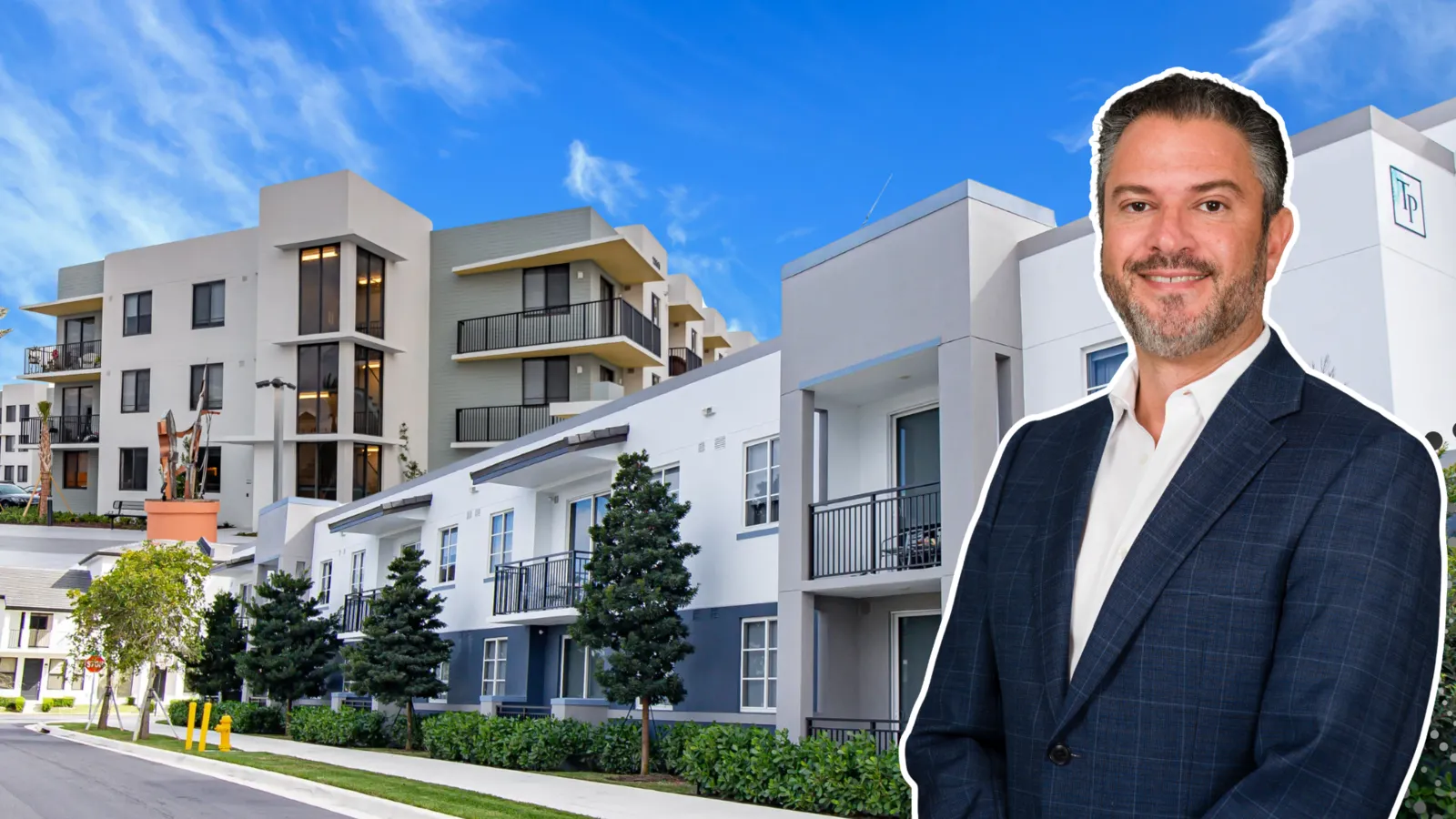
That philosophy is clearly visible in Pinnacle’s latest projects, including the newly opened Pinnacle at Tropical Pointe, a 215-unit affordable housing development in South Miami-Dade. Designed with modern amenities—think stainless steel appliances, a fitness center, business hub, and a community playground—the project reflects a broader shift in how affordable housing is conceived and executed.
“There’s a misconception that affordable housing looks like what you see in old movies—dilapidated, overlooked. But today, our buildings rival market-rate developments in quality,” says Cruz. “We want our residents to feel at home, like they’re part of something built with them in mind.”
Pinnacle at Tropical Pointe doesn’t just stand out for its design and amenities. It also features a large-scale public mural by Venezuelan artist Gabriela Benatar, part of Pinnacle’s longstanding Art in Public Places program. “Art is a part of building community too,” Cruz adds. “It brings color, identity, and connection.”
A Collaborative Blueprint
What makes these projects feasible, Cruz explains, is a deliberate and complex patchwork of public-private partnerships. The Tropical Pointe development, for example, was financed through low-income housing tax credits, local surtax and HOME funds, tax-exempt bonds, and major financing support from institutions like Bank of America and Citibank. “You can’t excel in this industry without advocacy and collaboration,” says Cruz.
This funding model, he notes, is essential to tackling the staggering need. “In Miami-Dade County alone, we have a shortfall of 120,000 units for those earning less than 60% of the median income,” he explains. “That’s nurses, teachers, first responders—people who are absolutely vital to our communities but can’t afford to live in them.”
Planning for Growth—and Equity
While luxury towers dominate headlines, Pinnacle focuses on what's often left out of those narratives: the people who hold cities together. The company’s portfolio reflects this ethos, from the 196-unit Pinnacle at Cypress in Fort Lauderdale to Berkeley Landing, a 112-unit community in Riviera Beach, and the high-profile Pinnacle 441 development, which drew 21,000 applications for just a few hundred apartments.
The surge in demand doesn’t surprise Cruz. “With market-rate rents pushing $2,300 for a one-bedroom, affordability is becoming unattainable for even middle-income families,” he says. “We’re not just building units—we’re creating options.”
That strategy includes working closely with local Community Redevelopment Agencies (CRAs) and housing authorities to both build new stock and reposition aging assets. “One major trend is the redevelopment of older public housing,” Cruz explains. “We're not just replacing units—we’re enhancing entire neighborhoods, often adding mixed-use spaces like retail and community services.”
From Personal Mission to Professional Legacy
Before joining Pinnacle, Cruz led national development for another major affordable housing firm. “Mentoring new developers was a key part of that role,” he shares. “And it still is. Coming to Pinnacle—where I’ve known many of the partners since 2002—felt like coming home.”
Now, he’s focused on expanding Pinnacle’s reach while preserving its community-first ethos. That includes tailoring developments to the character of each neighborhood, whether that’s a low-rise garden community in the suburbs or a mid-rise in an urban corridor. “We don’t take a one-size-fits-all approach,” he says. “We’re thoughtful about scale, demographic needs, and local context.”
Looking Ahead
Though Cruz is tight-lipped about upcoming projects still under wraps, he’s optimistic about the direction of the industry—if awareness continues to build. “What I’d love to see is more public understanding,” he says. “We need federal and state governments to prioritize funding, because the need isn’t going away. Population growth in Florida will continue, and with that comes responsibility.”
His advice for the next generation of affordable housing professionals? “Details matter,” Cruz says. “In this field, the difference between getting funding or not can come down to how well you understand the nuances. But beyond that—listen to the community. Because at the end of the day, that’s who we’re building for.”
As Florida’s housing crunch intensifies, leaders like Cruz and companies like Pinnacle are proving that affordability and aspiration can—and must—coexist. In a state where wealth often dominates the headlines, it’s these quiet, thoughtful developments that may shape the future most.