

Mar 30, 2026
Broad Street Development Secures $300M Recap for 80 Broad Office-to-Residential Conversion
Traded Media

Traded Editorial
- Broad Street Development recapitalized project with $300M total capitalization
- Derby Lane Partners provided $175M construction loan
- Conversion will deliver 326 residential units in FiDi
What the recapitalization means for project execution
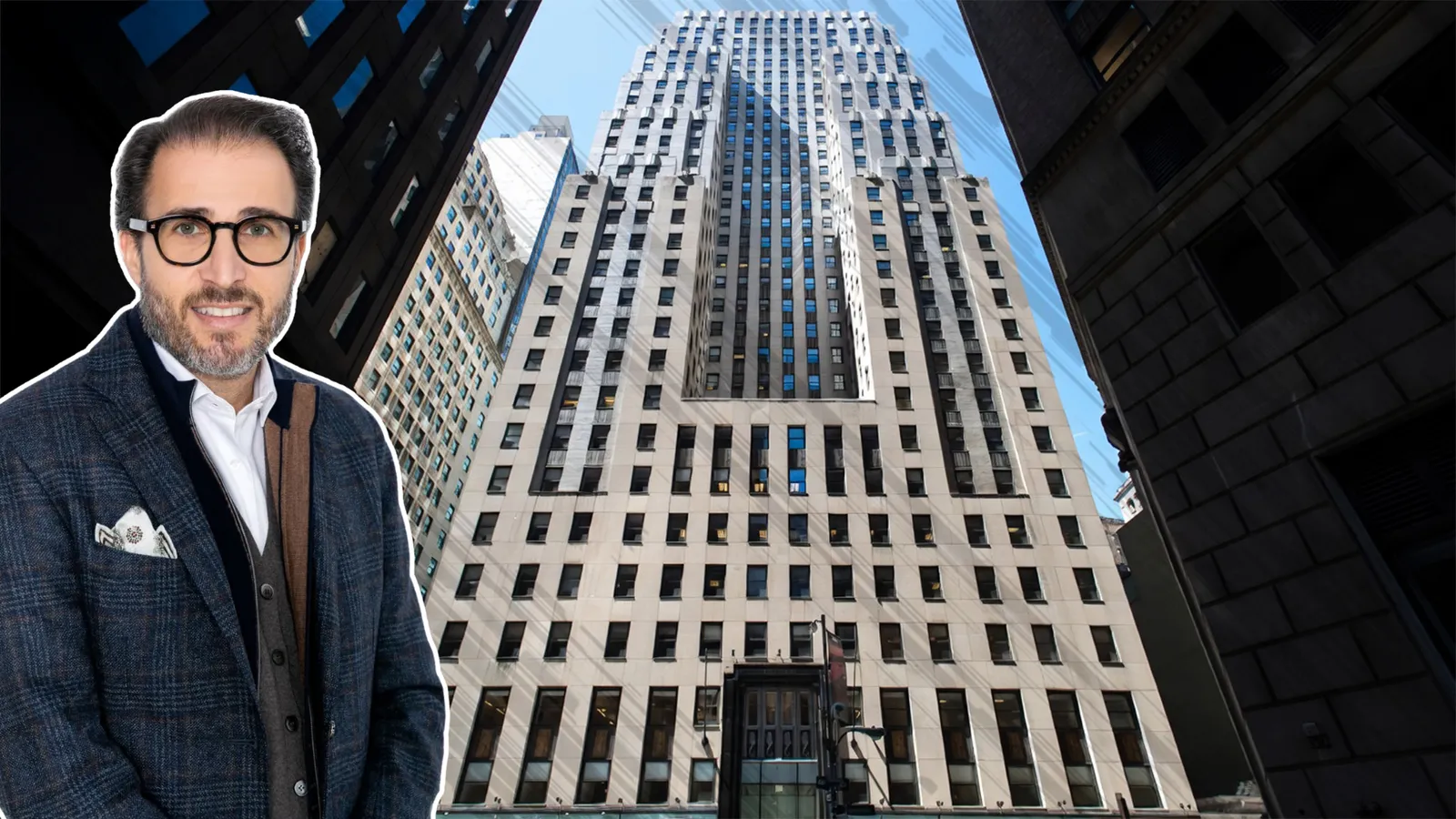
Broad Street Development has locked in fresh capital and partners, officially advancing its office-to-residential conversion at 80 Broad Street. The $300 million recap includes senior debt from Derby Lane Partners and equity from PCCP and One Investment Management, giving the project a fully capitalized stack. This milestone signals the deal has moved beyond planning into active execution, a critical step in today’s capital-constrained environment.
What the conversion means for FiDi supply
The project will transform a 423,000-square-foot office building into a 326-unit residential property, reducing office exposure while adding housing supply in Lower Manhattan. This aligns with a broader shift across New York, where aging office buildings are being repositioned due to declining demand for older workspace. For investors, these conversions present an opportunity to reprice assets and unlock value in underperforming office stock.
What the capital stack means for investor confidence
The structure of the deal reflects strong institutional backing. Debt from Derby Lane Partners, combined with equity from PCCP and One Investment Management, indicates confidence in both the sponsor and the asset. Even in a challenging financing environment, projects that check key boxes like location, scale, and conversion potential are still attracting capital. This kind of recap also helps developers manage risk by spreading exposure across multiple partners.
What the unit mix and incentives mean for returns
The development will include at least 25 percent affordable units to qualify for New York’s office-to-residential incentive program. While this caps some rental upside, it unlocks valuable tax benefits and allows the project to proceed at a larger scale. The building will also feature amenities like a fitness center, coworking space, and a pool, positioning it competitively within the rental market.
What this means for Manhattan office conversions
This deal reinforces a major trend. Financial District office buildings are increasingly being targeted for residential conversion as vacancy persists in older assets. For landlords, this is becoming a viable path to reposition properties and stabilize income. Projects like 80 Broad show that with the right capital stack and incentives, office-to-residential conversions can still pencil in today’s market.