

Jan 29, 2026
Broad Street Development And Invesco Propose Conversion Of 80 Broad Street To 326 Residential Units
Traded Media

Traded Editorial
Key Points
- Owners filed plans to convert 80 Broad Street into a 326-unit residential building in Lower Manhattan.
- The 36-story, 423,000 square foot office tower dates back to 1931.
- The project adds momentum to the accelerating office-to-residential conversion trend in New York City.
Inside the 80 Broad Conversion Plan
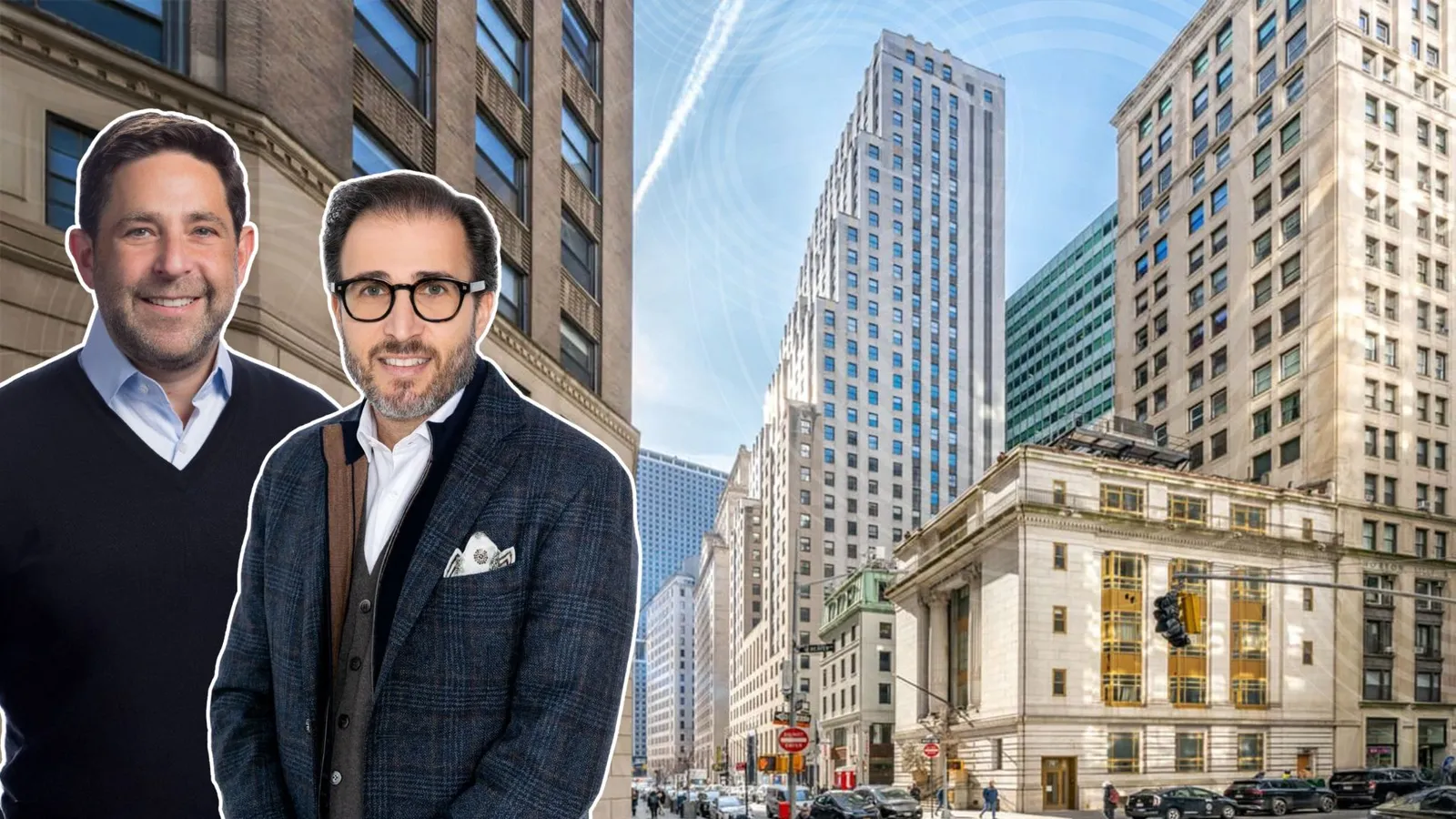
The proposed redevelopment would transform the 36-story building at 80 Broad Street, located between Stone and Beaver streets, into a full-scale residential asset. Plans call for 326 apartments, resident amenity spaces, ground-floor restaurants, a doctor’s office, and a gym located on the cellar level. The building spans roughly 423,403 square feet and was originally constructed in 1931, making it a classic candidate for adaptive reuse as demand shifts away from older office layouts.
Ownership and Capital Stack
According to CoStar data, the property is owned by Broad Street Development and global investment manager Invesco. While ownership has not yet commented publicly on the filing, the move signals growing confidence that residential repositioning offers a stronger long-term return than leasing aging office space.
Why Office to Residential Keeps Winning
Manhattan’s office leasing rebounded last year, driven largely by demand for top-tier, newer office buildings. At the same time, many lower-quality and older towers have become functionally obsolete. Conversions are filling that gap. Office to residential projects in New York reached 4.1 million square feet through August, already surpassing 2024’s total and more than doubling 2023 levels. With housing supply tight and rents at record highs, the economics continue to favor residential reuse where zoning and layouts allow.
Financial District Sets the Template
The area surrounding 80 Broad Street has already seen major conversion success. Nearby, 25 Water Street, a former office building exceeding 1.1 million square feet, was converted into a residential tower with 1,320 units, helping rebrand the district as a true live-work neighborhood. Each new conversion strengthens the case for FiDi as a residential market, supporting retail, services, and long-term street-level activity.
Investor Takeaway
The proposed 80 Broad conversion reinforces a clear trend. Older office assets in prime but shifting submarkets are increasingly worth more as housing than as workspace. For investors, adaptive reuse continues to offer a viable exit strategy amid structural changes in office demand. If approved, 80 Broad Street would add another meaningful residential asset to Lower Manhattan and further validate office-to-residential as one of New York’s most durable real estate themes.