

Jun 16, 2026
Beyond the Stadium: How Miami Developers and Hospitality Groups Are Turning the World Cup Into a Citywide Activation Moment
Miami developers and hospitality brands are transforming the 2026 World Cup into a citywide marketing platform, using activations, events, and experiences to attract buyers, brokers, residents, and visitors.

Traded Editorial
- Developers, hotels, and mixed-use destinations across Miami are using the 2026 FIFA World Cup as a marketing, placemaking, and community-building opportunity that extends far beyond Hard Rock Stadium.
- The Cloud One Hotel & Residences Wynwood is leading the effort with public art installations, broker events, and neighborhood activations tied directly to its residential sales campaign.
- Projects from Downtown Doral to Shell Bay are leveraging soccer-themed experiences to engage residents, visitors, buyers, and prospective members while strengthening their brands ahead of one of the world's largest sporting events.
What The World Cup Means for Miami Real Estate
As Miami prepares to host matches during the 2026 FIFA World Cup, the biggest real estate story isn't happening inside Hard Rock Stadium. It's unfolding across neighborhoods, hotels, residential developments, and mixed-use districts that see the tournament as a rare opportunity to showcase their communities to a global audience. Developers and hospitality groups are increasingly treating the World Cup as a citywide activation platform. Rather than simply hosting watch parties, they're creating experiences designed to drive foot traffic, generate sales leads, strengthen neighborhood identity, and position their projects within Miami's international growth story. The result is a broader placemaking strategy that uses soccer as a cultural connector while advancing development and branding goals.
What The Cloud One Hotel & Residences Wynwood Is Building Around the Tournament
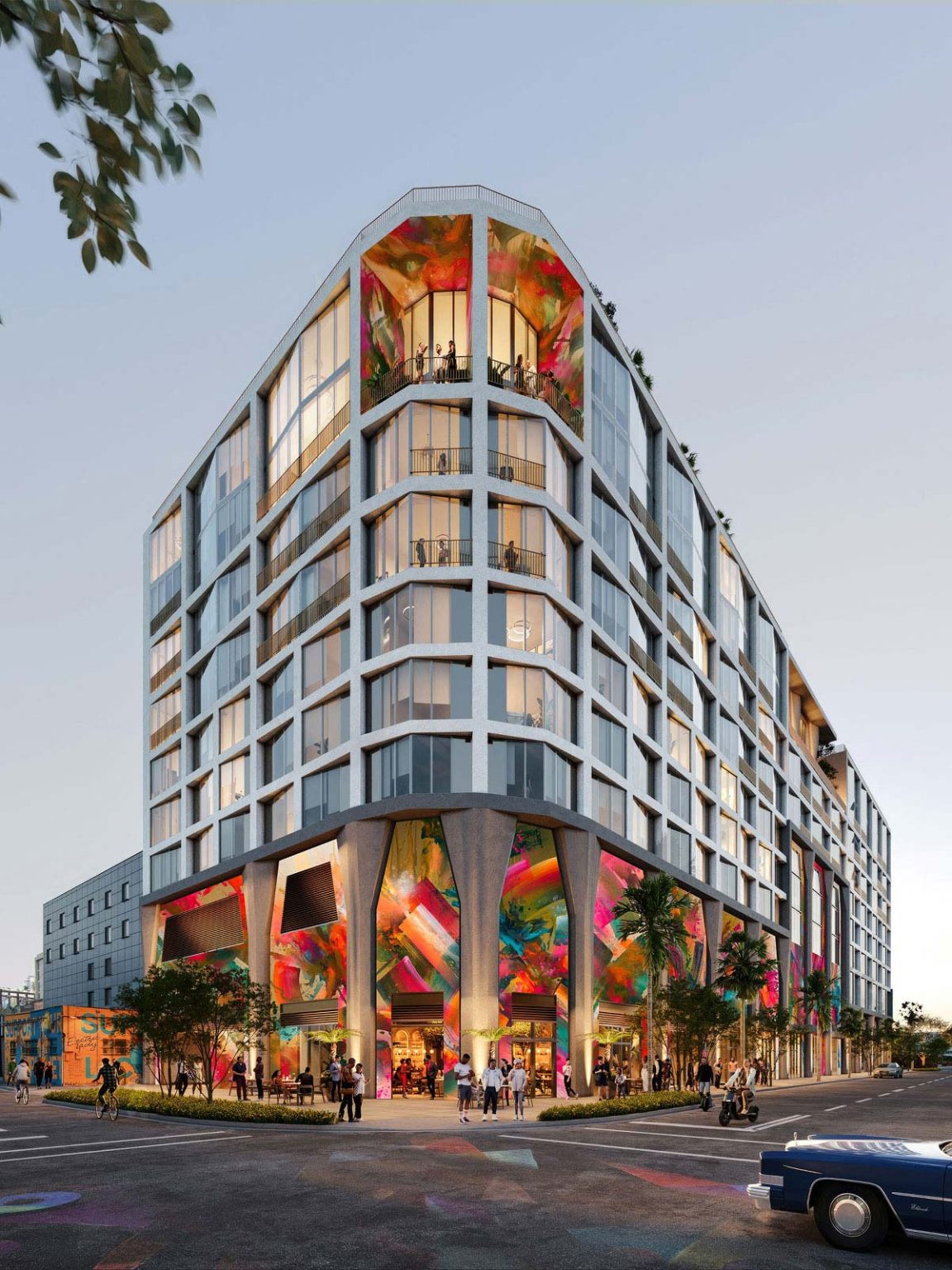
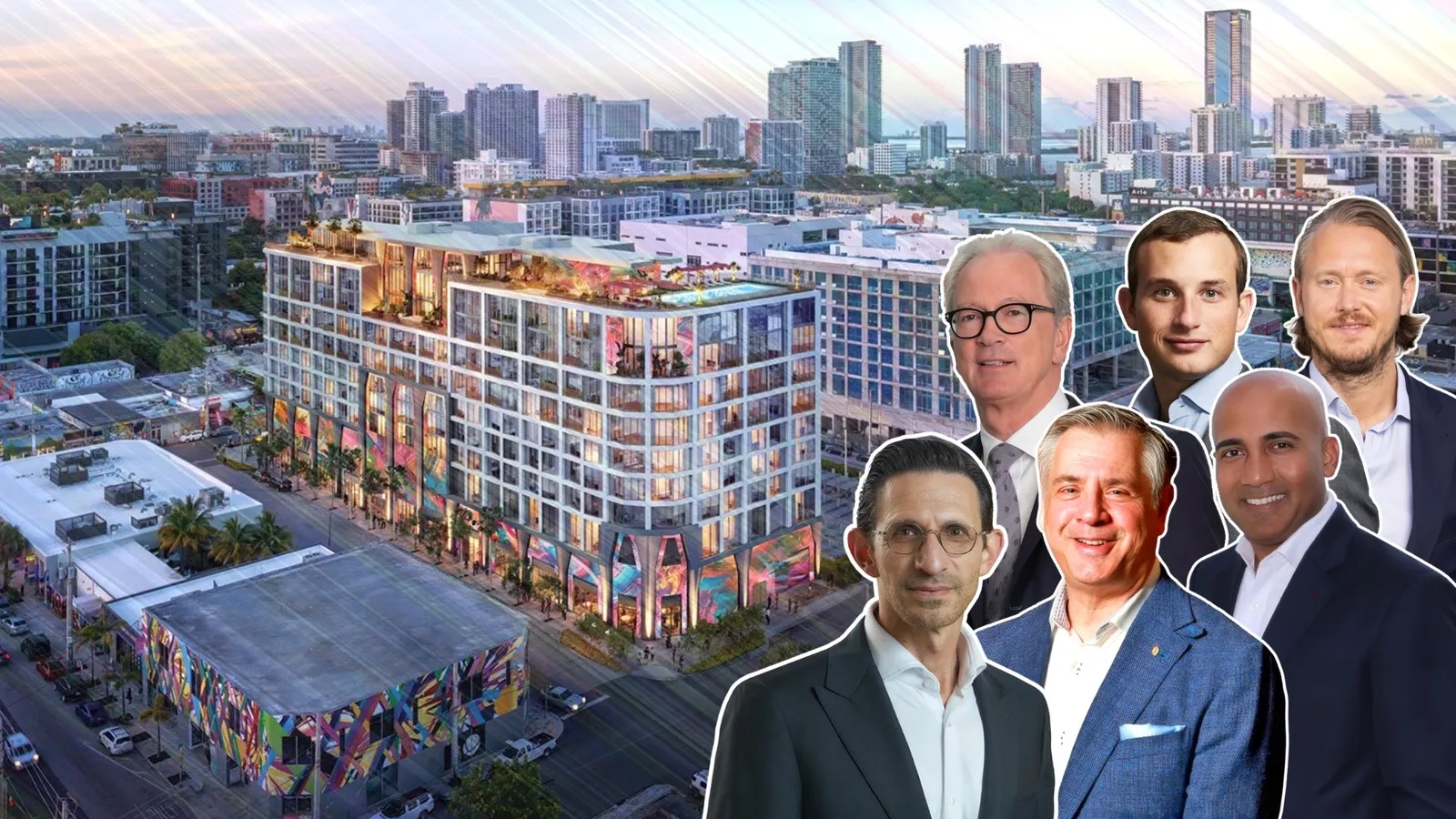
The strongest example may be The Cloud One Hotel & Residences Wynwood, which is using the World Cup as an extension of its brand launch in Miami. The project serves as the U.S. flagship for the hospitality brand and represents the only residential concept in the company's global portfolio. The development combines international ownership with local execution, drawing from the German roots of Motel One Group, Ralf Büschl and BÜSCHL Group, along with Sebastian Lüdke and ALP.X Group. Fortis Design + Build serves as local development manager, while Douglas Elliman Development Marketing leads sales. Residences are priced from approximately $490,000.
On June 23, the project will unveil a 2014 Brazil versus Germany 7-1 World Cup match ball hand-painted by Paraguayan artist Lili Cantero, whose work has also celebrated soccer legends including Messi and Pelé. Rather than displaying the artwork behind glass, the development is integrating it into a public scavenger hunt and the broader Wynwood United Soccer Ball Art Trail. The activation extends beyond art. A broker-focused watch party for Panama versus Croatia will take place at Wynwood Marketplace, where Fogo de Chão will occupy roughly half the venue with Brazilian food, beverages, and tourism programming. For The Cloud One, the strategy is less about soccer itself and more about embedding the brand into Wynwood's creative identity. Future façade murals curated by Goldman Global Arts, the team behind Wynwood Walls, further connect the project to the neighborhood's established cultural ecosystem.
What Downtown Doral Is Doing to Turn Visitors Into Participants
Downtown Doral is taking a district-wide approach by encouraging visitors to move throughout the neighborhood rather than gathering in a single venue. Its World Cup passport program allows participants to collect digital stamps by visiting restaurants, retailers, and entertainment destinations. The initiative is designed to increase cross-shopping and expose visitors to a wider range of businesses throughout the mixed-use district. Large screens at restaurants, open-air viewing experiences, and marquee match broadcasts at The Plaza create multiple gathering points. A Panini sticker activation adds another layer of engagement, tapping into one of soccer's most recognizable traditions while encouraging repeat visits. The approach reflects a growing trend among mixed-use developments: using major cultural events to increase dwell time and deepen customer interaction across an entire ecosystem of tenants.
What Hotels Are Doing Beyond Traditional Watch Parties
Several hospitality operators are also using the World Cup as a platform to create experiences that differentiate their properties. At InterContinental Miami, programming extends beyond lobby screenings. The hotel is introducing themed poolside cabanas, globally inspired beverage experiences, watch parties, and pickup soccer games on the SkyLawn. The goal is to transform the property into a gathering place for both guests and locals throughout the tournament period. Carillon Miami is approaching the event from a wellness perspective. Rather than focusing solely on spectatorship, the property is connecting soccer culture with health and performance through match-inspired training sessions and a dedicated "Champion's Getaway" package. These activations illustrate how hospitality brands are using the World Cup to reinforce their individual identities rather than offering interchangeable viewing experiences.
What Shell Bay Reveals About Luxury Lifestyle Positioning
At the ultra-luxury end of the market, Shell Bay demonstrates how the World Cup can become part of a broader lifestyle narrative. The private Mediterranean-inspired community offers residents and members private helipad access to travel to Hard Rock Stadium during tournament events, turning transportation into a luxury amenity. The experience aligns with a broader membership model that emphasizes exclusivity, convenience, and elite athletic culture. Membership initiation begins at approximately $1.35 million, while residences start around $2 million. The community includes a Greg Norman-designed golf course, a racquet club featuring all four Grand Slam playing surfaces, and a roster of athlete members that includes Tom Brady, Serena Williams, Kyle Kuzma, and Jessica Pegula. For Shell Bay, the World Cup is not simply an event to attend. It becomes another layer of an already curated luxury lifestyle proposition.
What These Activations Say About Miami's Evolution
The common thread across these projects is that none of them are relying solely on match tickets or stadium proximity. Developers are using the World Cup to tell stories about neighborhoods, attract prospective buyers, generate broker engagement, activate retail districts, and create memorable experiences for residents and visitors. In many cases, the event serves as a temporary catalyst for long-term branding objectives. As Miami continues to position itself as a global city, the World Cup offers something far more valuable than a few weeks of international attention. It provides a platform for developments and hospitality brands to demonstrate how their projects fit into the city's evolving identity long after the final match is played.